
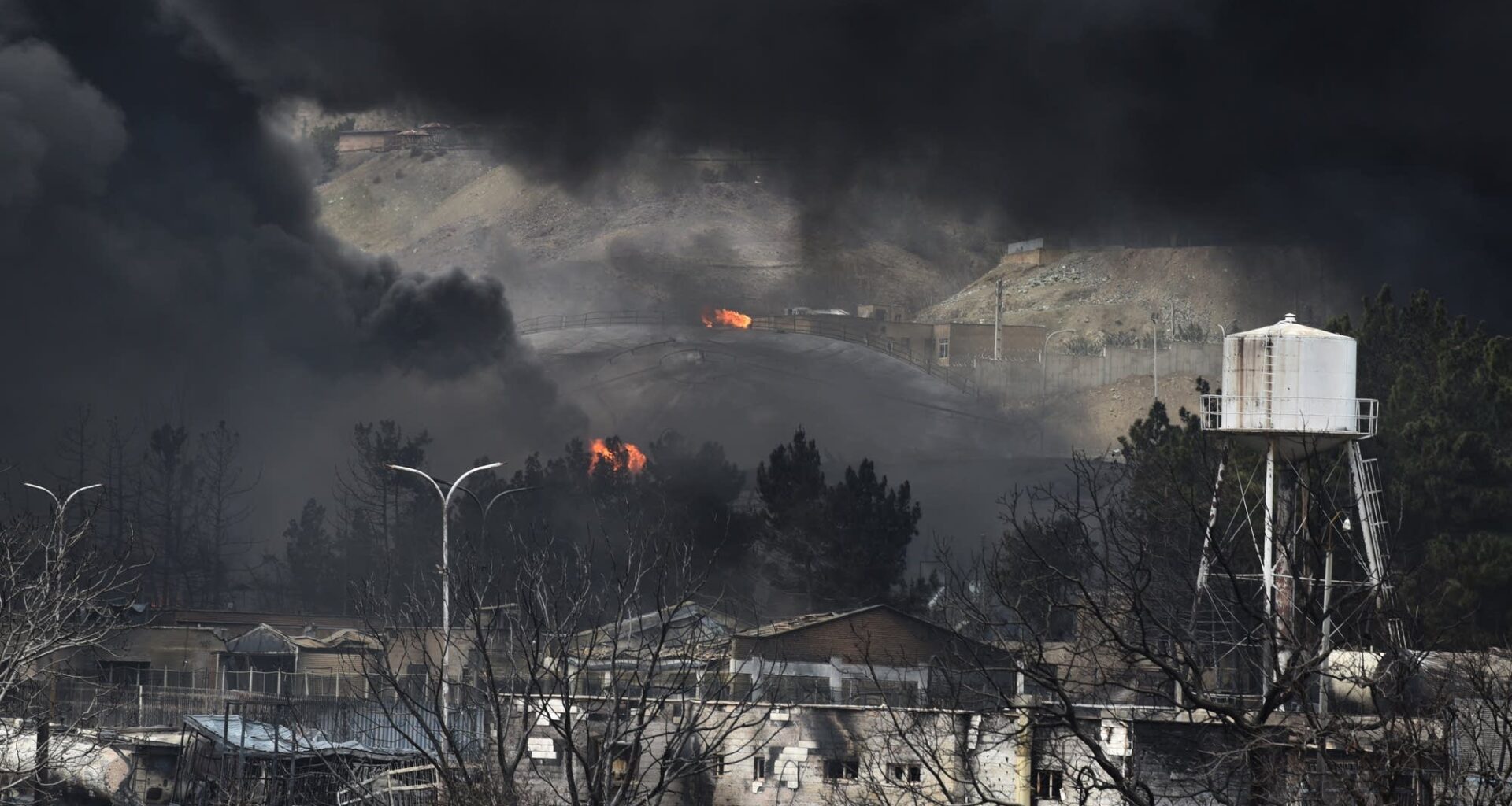
On March 18, the Iran war took a turn as Israeli drones targeted and damaged four Iranian gas treatment facilities, according to Iranian state media. That’s in addition to the at least 16 ships, 10 of which were oil tankers, that have been targeted during this war.
As energy and oil infrastructure continue to play a key role, questions have arisen over the environmental cost of this conflict. Every drone, ship, plane, or bomb dropped will lead to increased emissions. And even after the war ends, the climate will continue to scar.
“Even longer term, military spending will go up,” said Neta Crawford, professor of international relations at the University of St. Andrews. “And when military spending goes up, military emissions increase.”
“Marketplace” host Amy Scott spoke with Professor Crawford, who also works with Brown University’s “Costs of War” project, about how military conflicts impact the environment and how they highlight a need to increase investment in renewable energy.
To hear the full conversation, click the audio player above.
Related Topics