
President Donald Trump said Friday that he’s considering “winding down” the war with Iran as the conflict enters its fourth week, but Israeli Defense Minister Israel Katz offered a seemingly different message on Saturday. “This week, the intensity of the attacks that the IDF and the U.S. military will carry out against the Iranian terrorist regime and against the infrastructures on which it relies will increase significantly,” Katz said in a video statement. On Friday night, Trump wrote on social media, “We are getting very close to meeting our objectives as we consider winding down our great Military efforts in the Middle East with respect to the Terrorist Regime of Iran.” But, earlier Friday, Trump also told reporters that he isn’t ready for a ceasefire. “We can have dialogue, but I don’t want to do a ceasefire. You know, you don’t do a ceasefire when you’re literally obliterating the other side. They don’t have a navy. They don’t have an air force. They don’t have any equipment,” Trump said. Those comments come as the Trump administration is reportedly sending more warships and thousands of additional Marines to the Middle East, while preparing to request another $200 billion from Congress for the war effort, according to the Associated Press. Iran claims its continuing to build missiles and, on Saturday morning, Britain condemned Iran for targeting a joint U.K.-U.S. base in the Indian Ocean called Diego Garcia, suggesting Tehran has missiles in its stockpile that can travel further than it had previously acknowledged. Iran is also expanding its threats outside of the region. Iran’s top military spokesperson, Gen. Abolfazl Shekarchi, warned on Friday that it will deny safety to its enemies in “parks, recreational areas and tourist destinations” worldwide. Tehran continues to largely block the Strait of Hormuz, a major waterway for oil shipments. Both Israel and Iran have targeted energy infrastructure in recent days, further shaking global energy markets.In an effort to address supply gaps, the Trump administration is easing sanctions on Iranian oil that has already been loaded onto ships. The policy is set to end April 19, according to the U.S. Treasury Department. Treasury Secretary Scott Bessent said Iranian oil is currently being “hoarded by China on the cheap,” and this move will unlock supply for other countries. He said that the U.S. will take steps to make it difficult for Iran to access any of that revenue. “In essence, we will be using the Iranian barrels against Tehran to keep the price down as we continue Operation Epic Fury,” Bessent wrote on social media. Critics, however, doubt that the move will significantly impact oil and gas prices, and argue it risks giiving Tehran a financial boost. Meanwhile, Trump continues to criticize America’s allies for not doing enough to secure the Strait of Hormuz. In a social media post on Friday, he called NATO allies “COWARDS,” and implied opening the strait would require “a simple military maneuver.” The U.K. is now allowing the U.S. military to use its bases for operations to prevent Iranian attacks on ships in the strait. In a joint statement earlier this week, several allies declared their readiness to “contribute to appropriate efforts to ensure safe passage,” but those countries haven’t committed to sending warships to the strait, as Trump previously called for. Some experts argue that a ceasefire will be neccessary to restore shipping in the strait and bring prices down.
WASHINGTON —
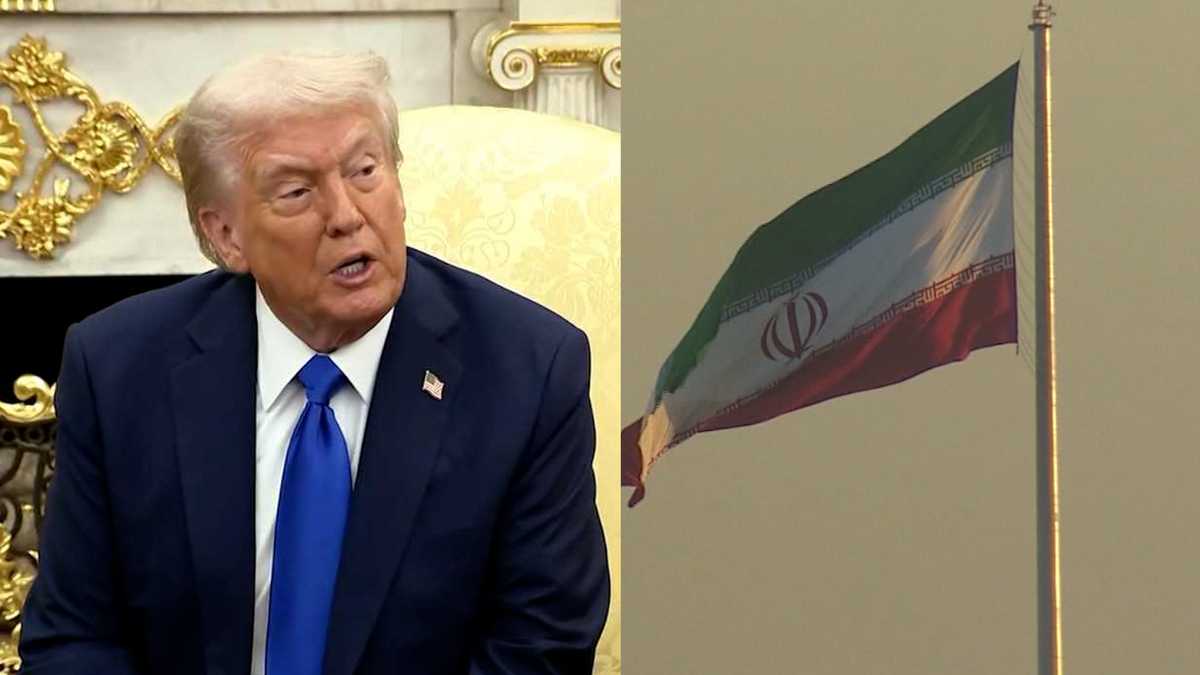
President Donald Trump said Friday that he’s considering “winding down” the war with Iran as the conflict enters its fourth week, but Israeli Defense Minister Israel Katz offered a seemingly different message on Saturday.
“This week, the intensity of the attacks that the IDF and the U.S. military will carry out against the Iranian terrorist regime and against the infrastructures on which it relies will increase significantly,” Katz said in a video statement.
On Friday night, Trump wrote on social media, “We are getting very close to meeting our objectives as we consider winding down our great Military efforts in the Middle East with respect to the Terrorist Regime of Iran.”
But, earlier Friday, Trump also told reporters that he isn’t ready for a ceasefire.
“We can have dialogue, but I don’t want to do a ceasefire. You know, you don’t do a ceasefire when you’re literally obliterating the other side. They don’t have a navy. They don’t have an air force. They don’t have any equipment,” Trump said.
Those comments come as the Trump administration is reportedly sending more warships and thousands of additional Marines to the Middle East, while preparing to request another $200 billion from Congress for the war effort, according to the Associated Press.
Iran claims its continuing to build missiles and, on Saturday morning, Britain condemned Iran for targeting a joint U.K.-U.S. base in the Indian Ocean called Diego Garcia, suggesting Tehran has missiles in its stockpile that can travel further than it had previously acknowledged.
Iran is also expanding its threats outside of the region. Iran’s top military spokesperson, Gen. Abolfazl Shekarchi, warned on Friday that it will deny safety to its enemies in “parks, recreational areas and tourist destinations” worldwide.
Tehran continues to largely block the Strait of Hormuz, a major waterway for oil shipments. Both Israel and Iran have targeted energy infrastructure in recent days, further shaking global energy markets.
In an effort to address supply gaps, the Trump administration is easing sanctions on Iranian oil that has already been loaded onto ships. The policy is set to end April 19, according to the U.S. Treasury Department.
Treasury Secretary Scott Bessent said Iranian oil is currently being “hoarded by China on the cheap,” and this move will unlock supply for other countries. He said that the U.S. will take steps to make it difficult for Iran to access any of that revenue.
“In essence, we will be using the Iranian barrels against Tehran to keep the price down as we continue Operation Epic Fury,” Bessent wrote on social media.
Critics, however, doubt that the move will significantly impact oil and gas prices, and argue it risks giiving Tehran a financial boost.
Meanwhile, Trump continues to criticize America’s allies for not doing enough to secure the Strait of Hormuz. In a social media post on Friday, he called NATO allies “COWARDS,” and implied opening the strait would require “a simple military maneuver.”
The U.K. is now allowing the U.S. military to use its bases for operations to prevent Iranian attacks on ships in the strait.
In a joint statement earlier this week, several allies declared their readiness to “contribute to appropriate efforts to ensure safe passage,” but those countries haven’t committed to sending warships to the strait, as Trump previously called for.
Some experts argue that a ceasefire will be neccessary to restore shipping in the strait and bring prices down.