
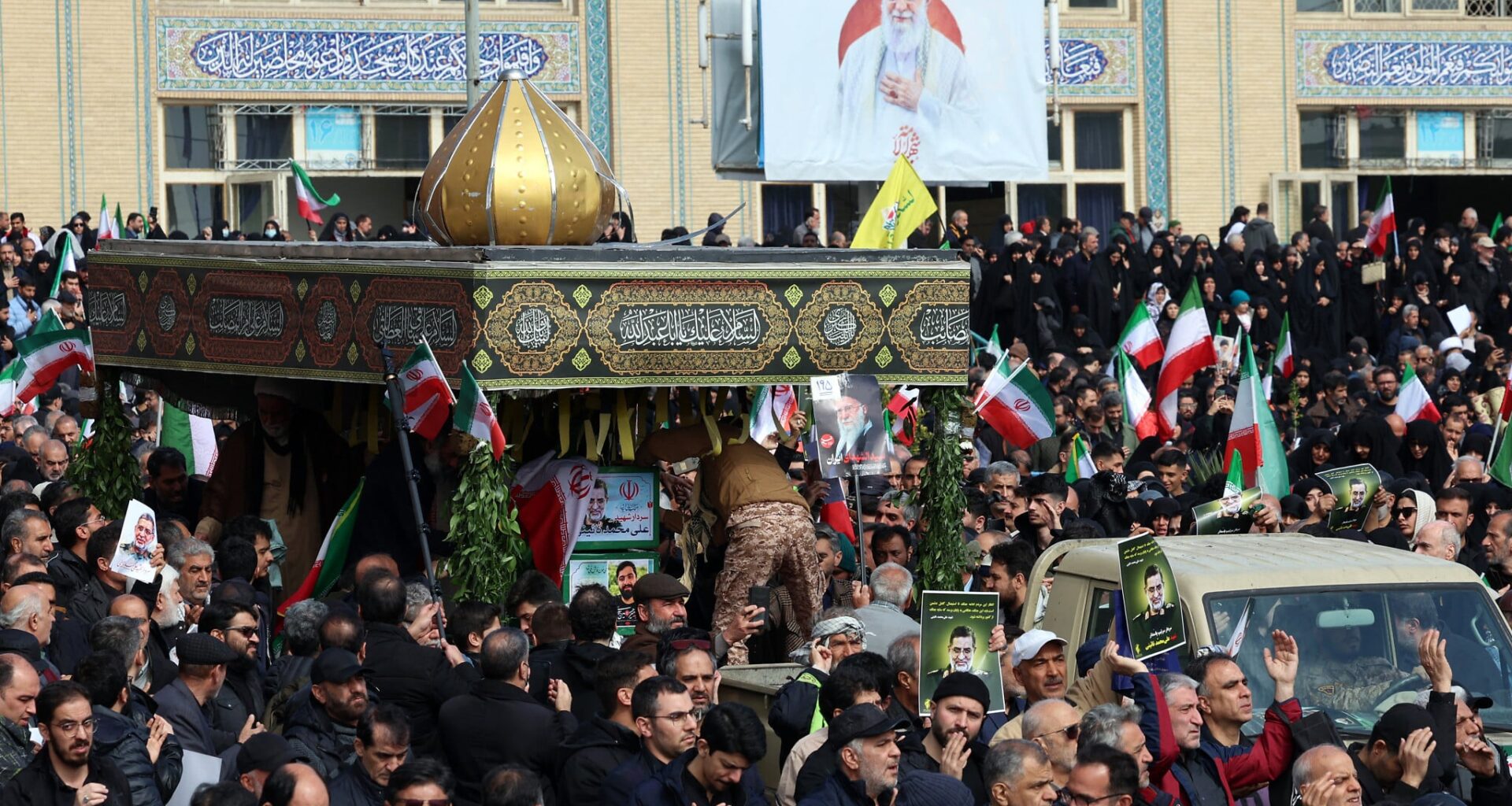
Prime Minister Benjamin Netanyahu embraced a Mossad plan to spark a popular uprising at the start of the Iran war and is frustrated that those promises have not come to pass, according to a new report.
The report in The New York Times, published Sunday and citing current and former US and Israeli intelligence officials, says that Netanyahu discussed the plan when persuading US President Donald Trump to go to war against the Islamic Republic.
But it said US and Israeli officials now view the chances of regime change with skepticism and believe that conditions do not appear ripe for a popular uprising. Fears of a repeat of January’s violent crackdown on demonstrators and danger from the US-Israeli bombing campaign have chilled prospects for more protests.
According to the report, and one on Channel 12 last week, Mossad chief David Barnea presented a plan to Netanyahu, predicting that after Iran’s leaders were killed, his agency could instigate mass unrest in Iran by fomenting riots and other acts of resistance via intelligence operations. He reportedly presented the plan to the White House as well.
The domestic revolt was meant to bring a swift end to the war. Instead, Iran’s leaders have dug in, something US officials had viewed as a likely possibility. While rival religious factions of the Iranian government could fight with one another, the report said, chances were slim that such a conflict would end with a democratic government. Proposals that Kurdish militias from outside Iran would help bring down the government have also not happened.
Get The Times of Israel’s Daily Edition
by email and never miss our top stories
By signing up, you agree to the terms
Israeli officials are still holding out hope of regime change, but the fact that a rebellion has yet to take place has reportedly consternated Netanyahu. According to the Times, during a meeting early in the war, the premier complained that the plan was not working and that Trump could decide to halt the campaign at any moment.
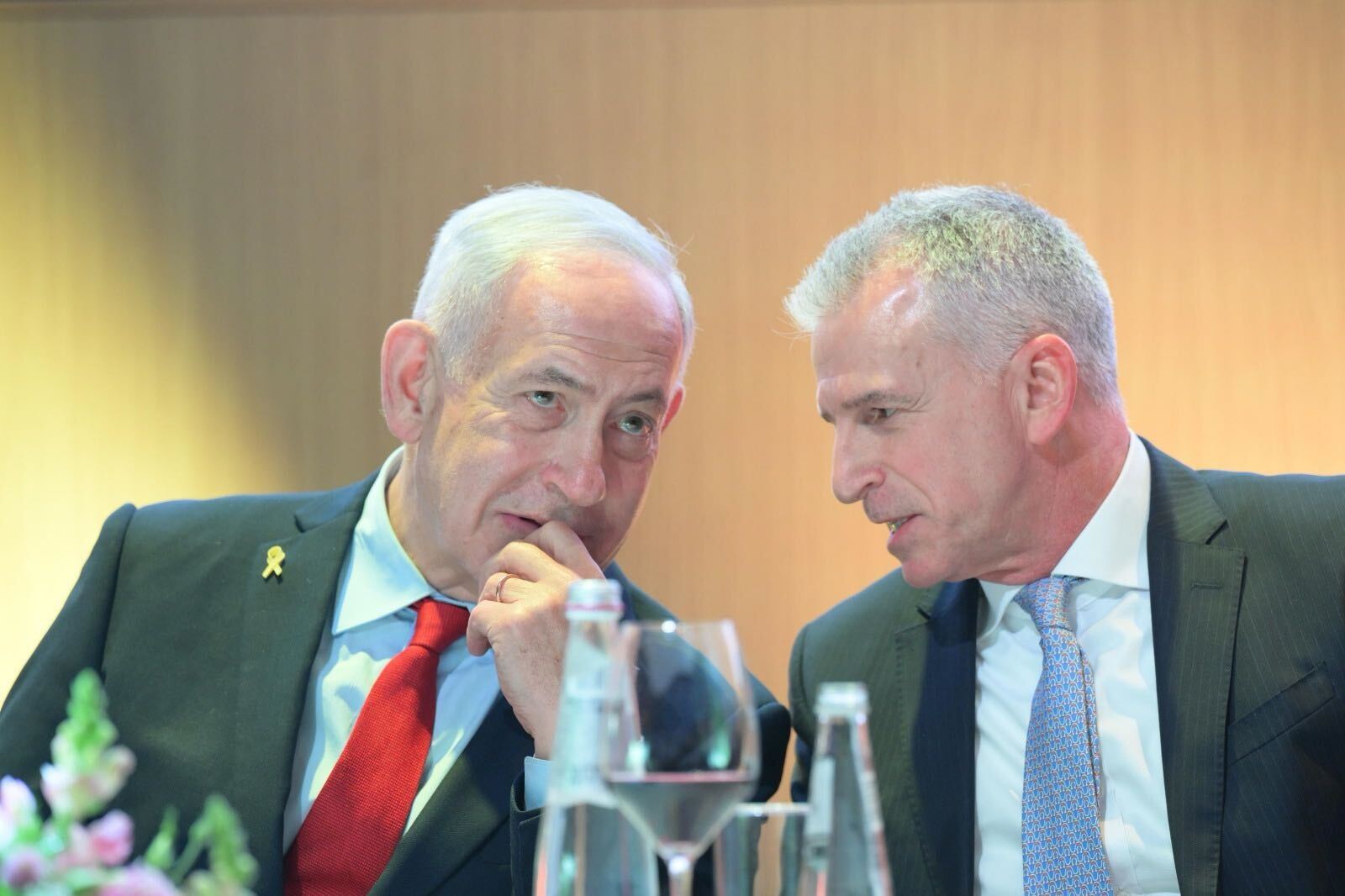
Prime Minister Benjamin Netanyahu, left, and Mossad Director David Barnea at the Prime Minister’s Award ceremony in Jerusalem, September 17, 2025. (Amos Ben Gershom/GPO)
The Times reported that Barnea’s predecessor, Yossi Cohen, viewed regime change in Iran as unlikely and deemphasized the Mossad’s work on that project, instead working on ways to weaken the regime through sanctions and targeted assassinations of nuclear scientists.
But Barnea has adopted the opposite approach, directing the agency’s energies toward regime change over the past year. That reportedly culminated in hopes that mass protests would coalesce after an intense airstrike campaign at the beginning of the war.
American officials, however, along with some of their Israeli counterparts, were less optimistic about the chances for regime change and did not think that the Iranian government was going to collapse as a result of the war with Israel and the US.
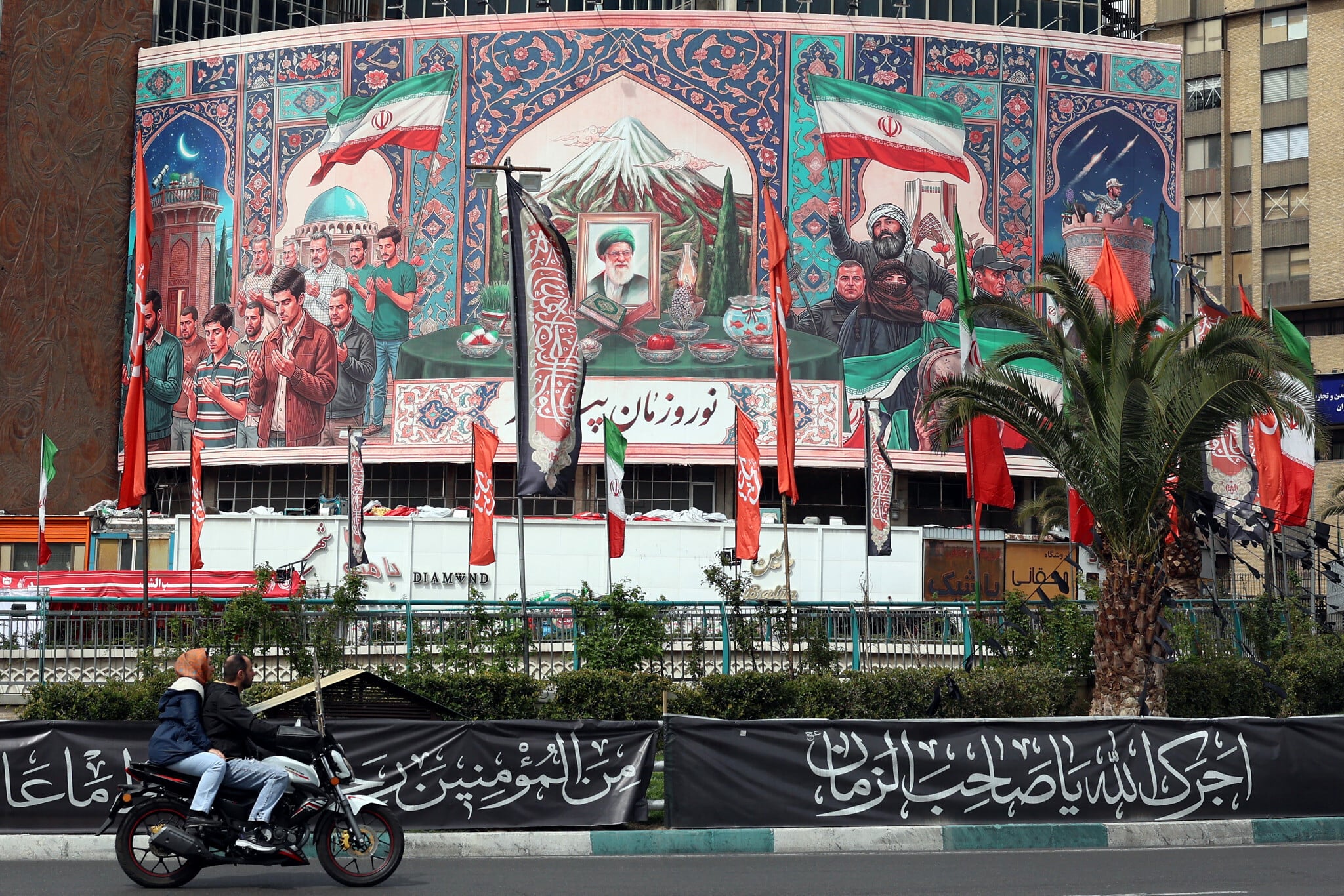
Motorists drive past a giant billboard with a portrait of Iran’s slain supreme leader Ayatollah Ali Khamenei (center) at the Valiasr Square in Tehran on March 22, 2026. (AFP)
Part of the reason why there hasn’t been an uprising, said Nate Swanson, a former member of the Trump administration’s Iran negotiating team led by Steve Witkoff, is that Iranians are wary of protesting, The Times reported.
Mass anti-regime protests before the war ended in a bloody crackdown by the government that activists say killed thousands, if not tens of thousands. Meanwhile, Trump said in a speech at the war’s outset that Iranians should take to the streets only after protecting themselves from the bombing campaign.
Swanson told the Times he had never seen a “serious plan” to cause an Iranian revolt.
“A lot of protesters are not coming into the street because they’ll get shot,” Swanson told the Times. “They’re going to get slaughtered. That’s one thing. But the second thing is that there’s a good chunk of people who just want a better life, and they’re just sidelined right now. They don’t like the regime, but they don’t want to die opposing it. That 60 percent is going to stay home.”
He said, “You still have fervent anti-regime folks, but they’re not armed, and they’re not bringing the majority of the population into the streets.”
Netanyahu and Trump have since downplayed the likelihood of regime change, with Netanyahu saying in a press conference last week that one of the war’s goals is “creating the conditions for the Iranian people to grasp their freedom, to control their destiny.”
Israeli officials still believe that might happen.
“I think that we need boots on the ground but they’ve got to be Iranian boots, and I think they’re coming,” Israel’s ambassador to the US, Yechiel Leiter, said in an interview with CNN on Sunday. “What we have to focus on now is degrading to the point where they have no power left in this regime. Hopefully, that will trigger this combustion point where the people are able to take charge of their own lives.
You appreciate our wartime journalism

You clearly find our careful reporting of the Iran war valuable, at a time when facts are often distorted and news coverage often lacks context.
Your support is essential to continue our work. We want to continue delivering the professional journalism you value, even as the demands on our newsroom have grown dramatically during this ongoing conflict.
So today, please consider joining our reader support group, The Times of Israel Community. For as little as $6 a month you’ll become our partners while enjoying The Times of Israel AD-FREE, as well as accessing exclusive content available only to Times of Israel Community members.
Thank you,
David Horovitz, Founding Editor of The Times of Israel