
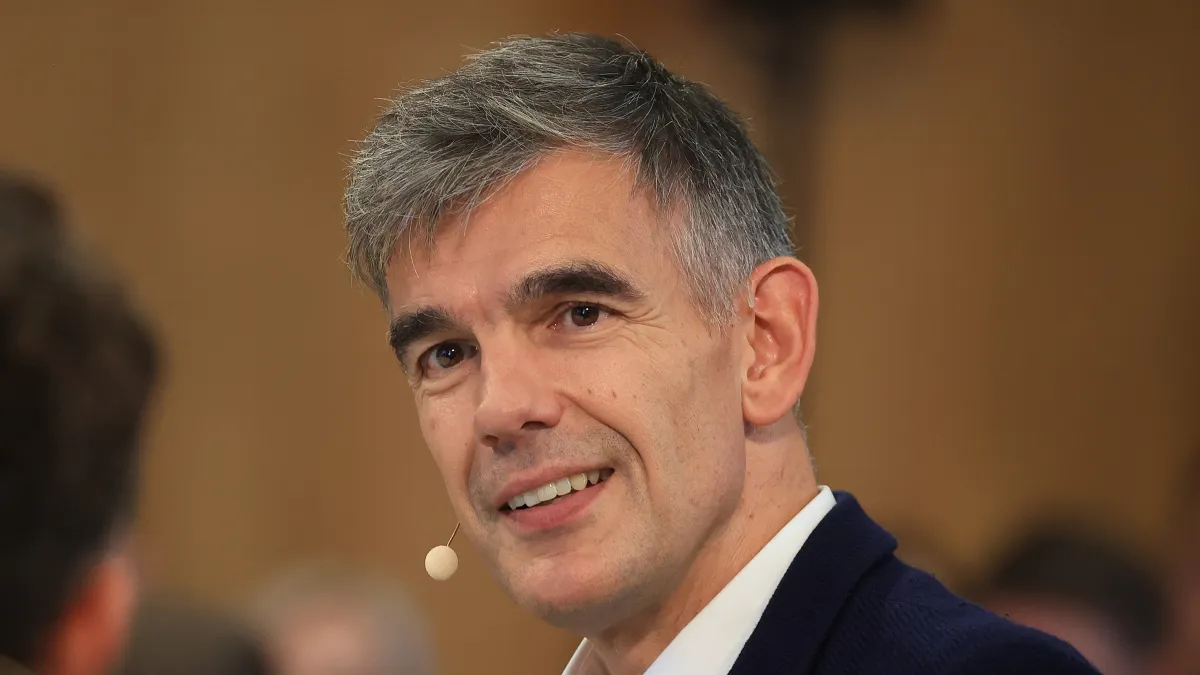
A former Google executive and Great Britain rower has been confirmed as the BBC’s new director-general, The Times can reveal.
The BBC board approved Matt Brittin’s appointment at a meeting on Thursday, according to sources involved in the process. He is expected to be announced as the corporation’s 18th director-general this week after final due diligence checks have been completed.
Brittin, 57, will replace Tim Davie, who is stepping down next month after announcing his resignation last year over the scandal of Panorama’s misleading edit of a President Trump speech.
Brittin is expected to start the role soon after Davie departs. He left his role as Google’s president for Europe, the Middle East and Africa in late 2024 and has since described himself as being on a “gap year”, enabling him to join the BBC without delay.
It means that Davie’s interim successor, Rhodri Talfan Davies, could become the shortest-serving director-general in the BBC’s history.
The decision to appoint a tech executive with no direct experience of television journalism marks a significant shift for the BBC. His name raised eyebrows when he emerged as a frontrunner for the role in February.
Samir Shah, the chair of the BBC, conducted Thursday’s meeting to finalise the appointment. Brittin had impressed board members with his vision for the corporation.
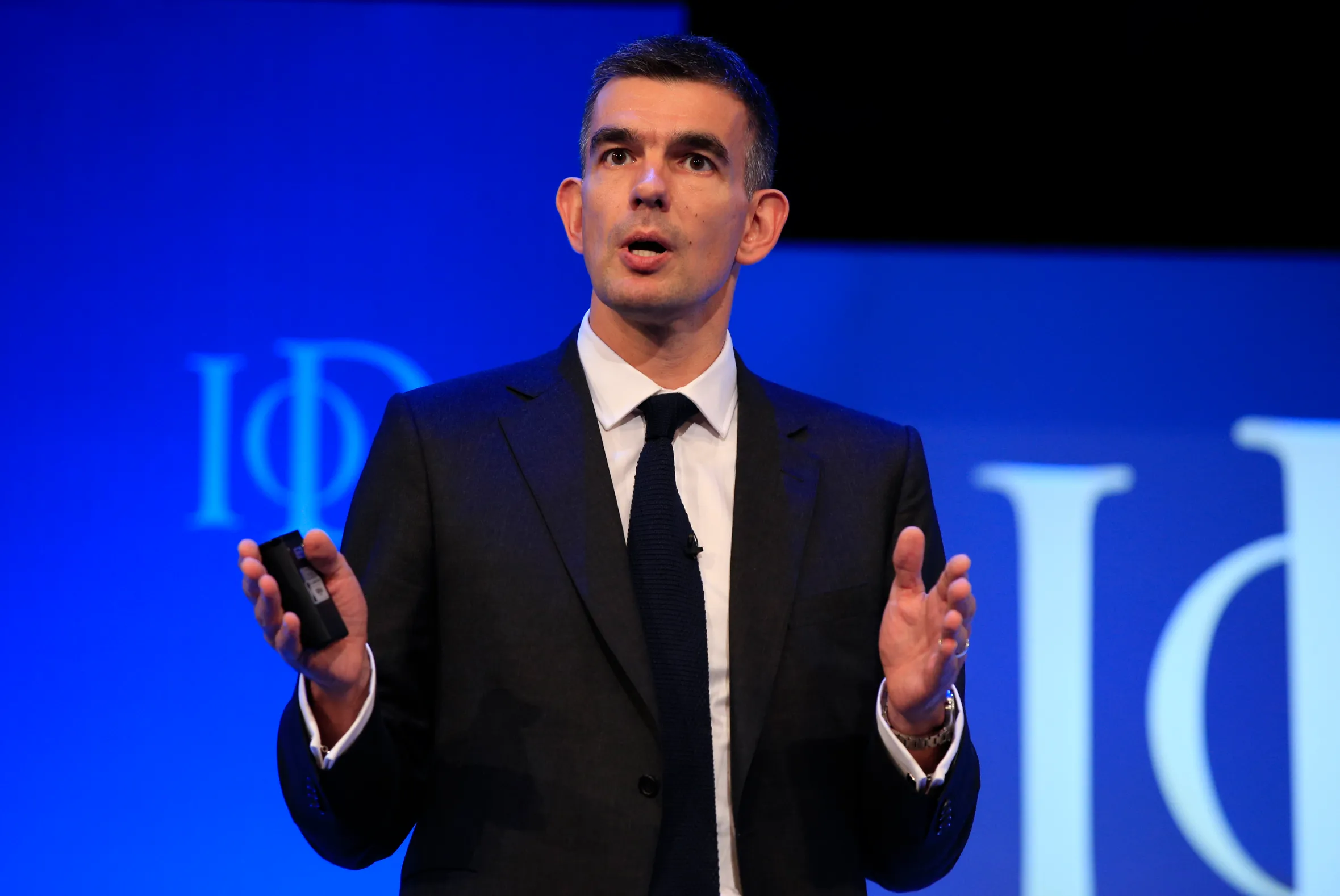 Speaking at the Royal Albert Hall in 2015Jonathan Brady/PA
The former rower for Cambridge in the Boat Race and for Great Britain at the Olympics joins the BBC at a critical moment for the corporation. Negotiations for the BBC’s next royal charter, which defines its future funding rules, are already under way before a renewal due at the end of next year.
Lisa Nandy, the culture secretary, has voiced her support for the BBC’s plea to have a permanent charter, rather than one that needs to be reviewed every ten years.
The BBC raised the alarm over its current funding model but has dismissed the idea of selling advertising and subscriptions against its shows in the UK. Instead, the corporation has raised the prospect of extending the scope of the licence fee — which could mean households are charged for the right to use streamers such as Netflix or listen to the radio — and wants the government to allow its commercial arm to be able to expand.
Brittin emerged as a dark horse for the job after rivals including Jay Hunt, the Apple TV executive, and Alex Mahon, the former Channel 4 chief executive, dropped out.
The BBC’s decision to appoint Brittin reflects a belief among its board that it needs to adapt to a media landscape dominated by streaming giants and digital platforms such as YouTube, which is owned by Google and recently overtook the broadcaster in some audience metrics.
However, there have been question marks raised over his appointment. Last month Baroness Kidron, the film producer and critic of Big Tech, told The Times that she felt the “values of the Silicon Valley attention economy are not in line with the public service broadcast remit”.