
The Key Point: Drawing on his extensive expertise as a Professor of Strategic Studies and a Senior Fellow at the Atlantic Council, Dr. Andrew A. Michta argues that Russia is the “biggest winner” of the ongoing Iran War.
How Russia Is Leveraging the Iran War
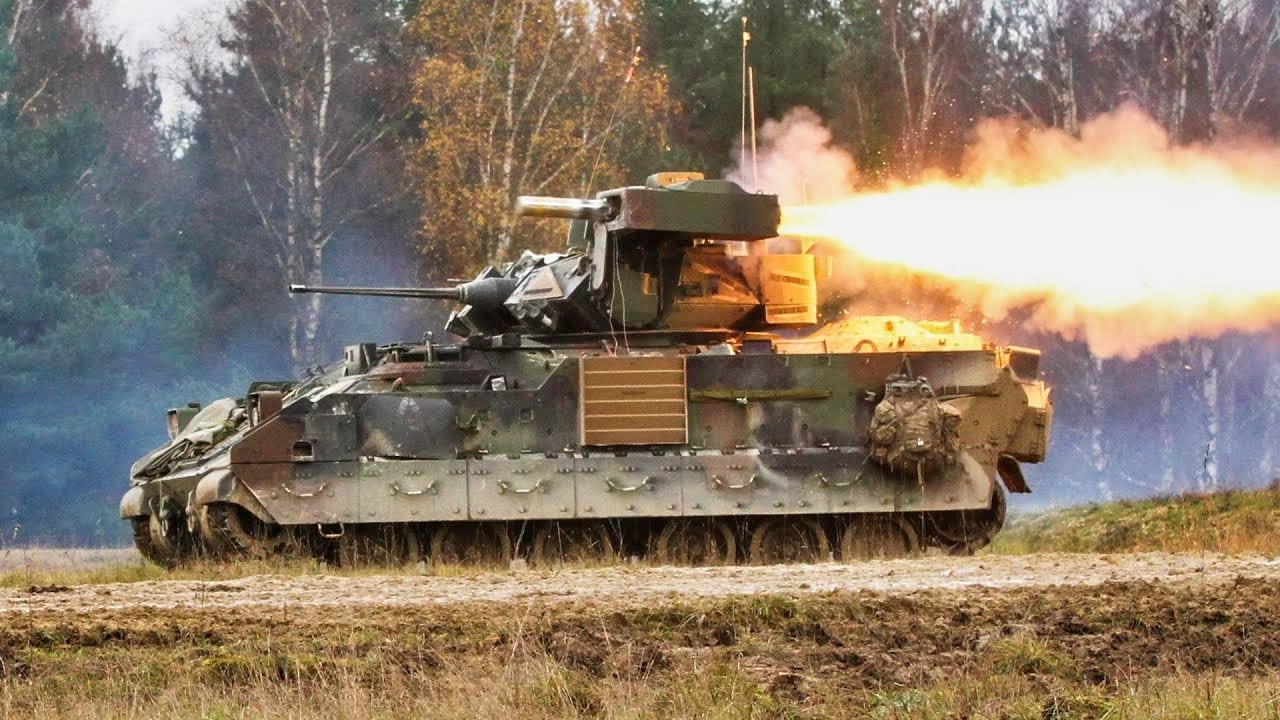
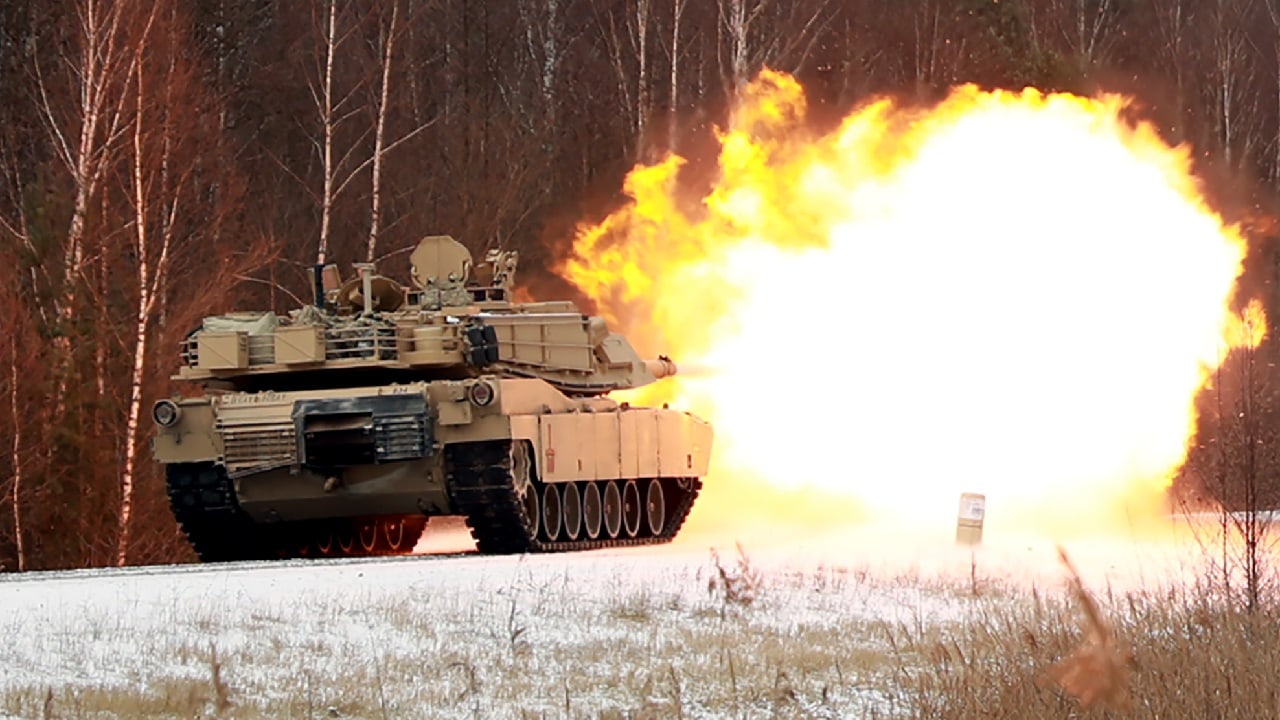
M2 Bradley. Image Credit: Creative Commons.
With all the attention on the escalating war in Iran, Ukraine has almost faded from the headlines.
Still, there are signs that Vladimir Putin has taken advantage of this moment as the U.S. shifts its focus away from Europe, American munitions grow scarce, and Russia actively works to weaken the U.S. by assisting Iran with satellite targeting data showing the movement of U.S. forces.
Russia’s Diplomatic Gambit
Moscow has already engaged in diplomatic hardball, proposing to cut off Iran’s targeting information in exchange for the U.S. stopping its intelligence and satellite support to Ukraine – the offer the United States has rejected, but one that sent shock waves across NATO.
The longer the U.S. campaign against Iran continues, the more Russia’s position strengthens. The Ukraine peace process has been halted, and diplomatic efforts are essentially dead as Washington shifts its focus to the Middle East. Any future peace deal may have been postponed indefinitely.
Russia’s Military Window in Ukraine
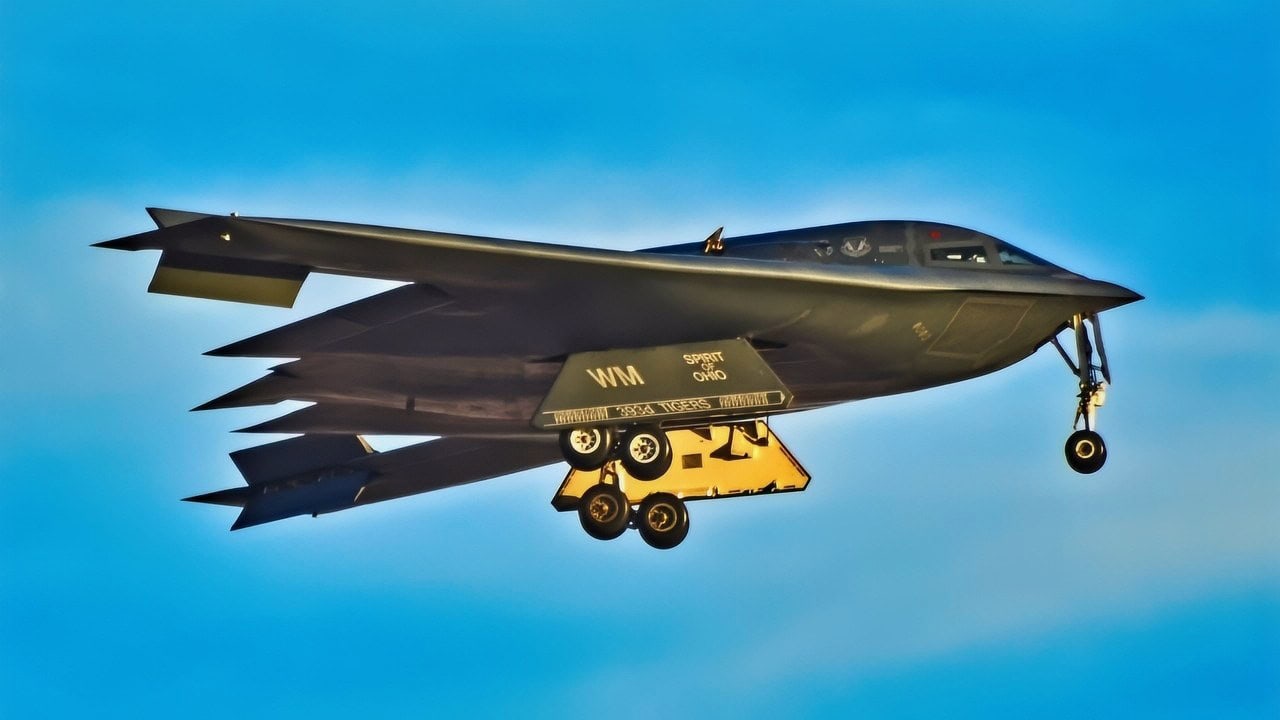
B-2A Spirit Stealth Bomber. Image Credit: Creative Commons.
As spring weather alters the battlefield landscape in Eastern Europe, Russia prepares for a major offensive against Ukrainian defenses. The Iran war has provided Russia with a windfall of revenue from higher oil prices, enabling it to expand and strengthen its military reserves.
Estimates indicate that Russia is gaining $150 million to $600 million per day from oil exports, and as the war continues, it will likely increase its take. Current estimates suggest Moscow has already received a windfall of between $1.3 billion and $1.9 billion from oil export taxes, following the effective closure of the Strait of Hormuz, which drove up demand for Russian oil from India and China.
Russia’s Influence Operations Surge
Russia’s influence operations across Europe, including sabotage and disinformation, have significantly increased over the past two years. The European External Action Service’s (EEAS) latest threat assessment reported 540 cases of foreign information manipulation and interference in 2025.
This year, Russian “indirect means” activism aimed at NATO has continued relentlessly. Putin’s goal is to exploit fissures in the transatlantic relationship, weaken NATO’s unity and the credibility of Article 5, and ultimately break the alliance apart.
Russia bets that if the Iran war continues, this spring could offer a rare opportunity for a breakthrough in Ukraine, as U.S. weapons stocks dwindle and fewer munitions—especially for air and missile defenses—are available to send to Ukraine.
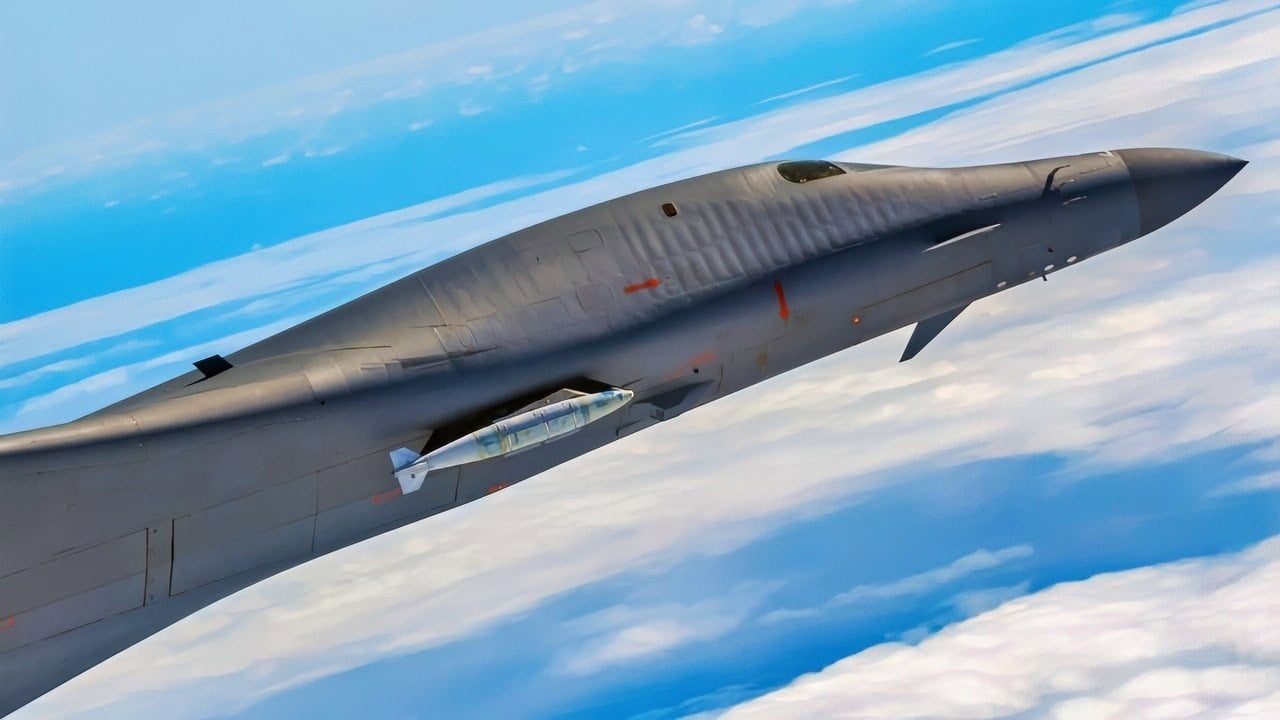
B-1B Lancer Bomber with External Weapons. Image Credit: U.S. Air Force.
If the Iran war escalates, the U.S. will use resources that would otherwise be allocated to other key regions, particularly Europe and Asia. Already, U.S. missile defense systems have been redeployed from Korea to the Middle East, and the current size of the U.S. military suggests it may not be able to fight two major conflicts simultaneously, even if they are regionally contained.
The Fracturing of the Transatlantic Alliance
The growing tensions in U.S.-European relations, driven by often ham-fisted rhetoric from the Trump administration, the failure to consult allies before the Iran war, and the frosty exchanges after Washington demanded Europe increase efforts to secure the Strait of Hormuz, have become a political advantage for Putin.
They have also fostered insecurity among European NATO allies, especially along the eastern flank, as even with the current serious commitment to rearmament, Europe will need about a decade to rebuild its militaries, and it will continue to depend on the United States to deter Russia.
Alliances are effective force multipliers when threat perceptions and national interests align, but also when there is enough trust that commitments will be honored—something that has been rapidly eroding in NATO in the past year.
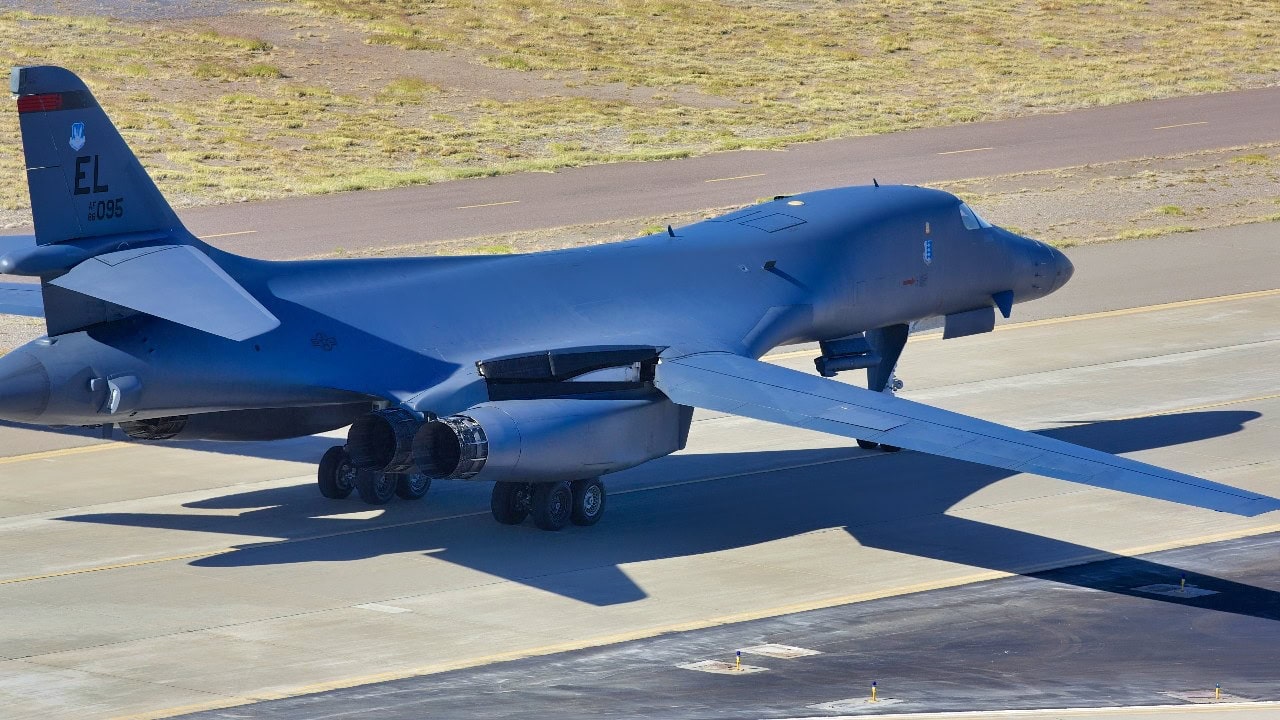
B-1B Lancer Bomber. Image Credit: Creative Commons.
Europe, increasingly less confident that the United States remains committed to its security and to the Washington Treaty obligations, presents Russia with an opportunity to blackmail its governments into political concessions regarding their future support for Ukraine.
The Risk of a Broader Systemic Collapse
System-transforming wars occur when key regional power balances can no longer be maintained. If the war in Iran continues to escalate and pulls the United States into a prolonged ground campaign, it will drain U.S. resources and give Vladimir Putin an opportunity to gain a strategic advantage in Europe, while effectively undermining what remains of the post-Cold War order.
There is also a risk that China might take advantage of this moment to push for gains against Taiwan. Currently, we face two major wars—one in Europe and one in the Middle East.
The other two potential theaters that the “Axis of Dictatorships” (China, Russia, North Korea, and Iran) may try to destabilize—namely, the Korean Peninsula and the Indo-Pacific—could lead to multiple simultaneous conflicts that the U.S. would struggle to manage. Russia’s expanding military reserves, funded by oil windfalls, only deepen that risk.
A lot depends on the outcome of the war now raging in the Middle East, and the sooner it ends, the lower the chances of miscalculations by Russia, China, or North Korea leading to a broader conflict.
As Russia has made clear through its Belarus forward-basing strategy, Moscow is not passive—it is actively positioning itself to capitalize on every window that the Iran war opens.
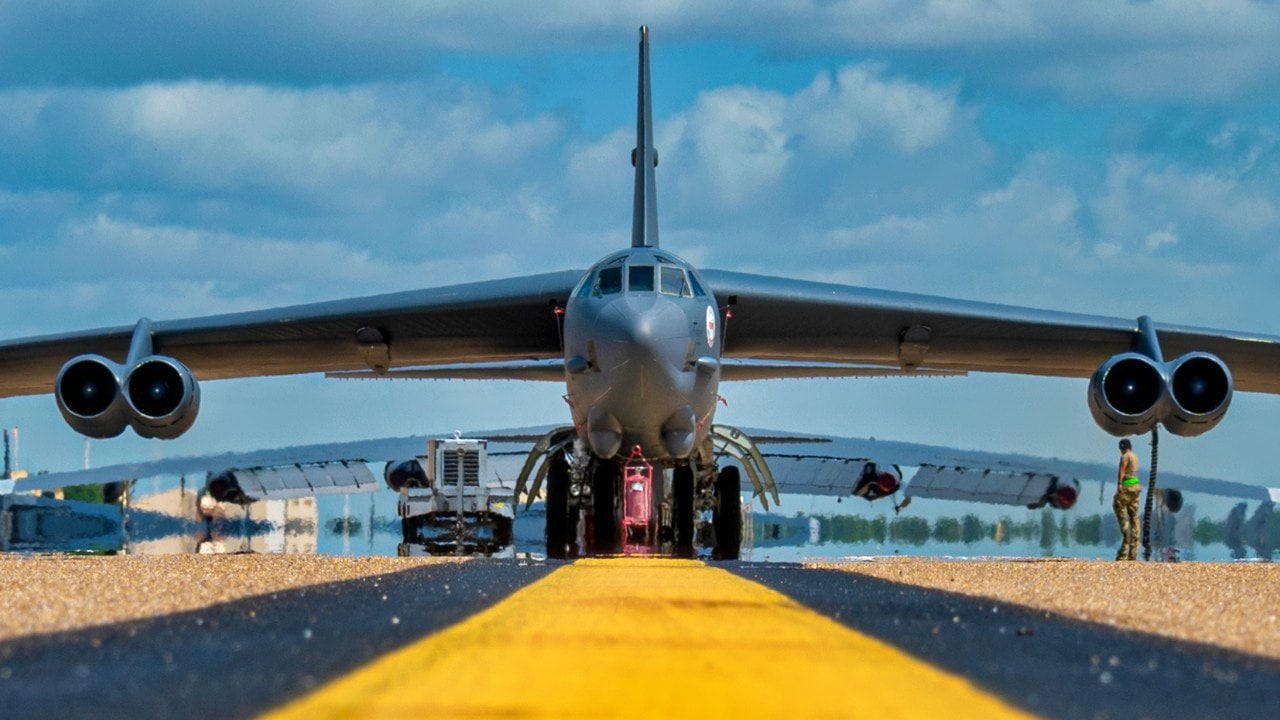
A U.S. Air Force B-52H Stratofortress bomber assigned to the 307th Bomb Wing goes through an engine check June 24, 2021, at Barksdale Air Force Base, Louisiana. Eight Pratt & Whitney TF33 engines power the B-52H to give it the capability of flying at high subsonic speeds. (U.S. Air Force photo by Senior Airman Kate Bragg)
The deeper strategic logic behind Russia’s posture is now plain: the longer the United States is consumed in the Middle East, the more latitude Putin has to consolidate gains in Europe, undermine NATO cohesion, and rebuild the military capacity worn down by four years of war in Ukraine. Russia’s fossil fuel revenues are now rising at a pace that is directly financing that effort.
The pattern of Russian intelligence cooperation with Iran is not incidental. It reflects a deliberate strategy to drain American resources, exhaust U.S. munitions stockpiles, and force Washington to fight on multiple fronts at once—exactly the scenario U.S. military planners have long warned could overmatch American capacity.
The EEAS threat report’s findings make equally clear that the information front is as active as the military one. Russia is not merely a bystander to this conflict. It is, by almost every measure, its biggest winner.
About the Author: Dr. Andrew A. Michta
Andrew A. Michta is Professor of Strategic Studies at the Hamilton School at the University of Florida, a Nonresident Senior Fellow at the Atlantic Council in Washington, D.C., and a Visiting Fellow at the Hoover Institution at Stanford University. Views expressed here are his own.