
The new funding system, to be phased in over three years from 2026, will see changes to the formulas used by government to capture levels of demand for council-run services, along with the differing cost of delivering them.
A greater share of funding will be redirected towards areas with a higher share of properties in lower council tax bands, whilst the portion of business rates income that councils have been allowed to keep since 2013 will be redistributed.
The IFS predicts the proposed changes are set to redistribute around £2.1bn in annual government funding, with 186 authorities losing out and 161 benefiting.
It will not be possible to say exactly what the changes will mean for each area until the plans are finalised later this year.
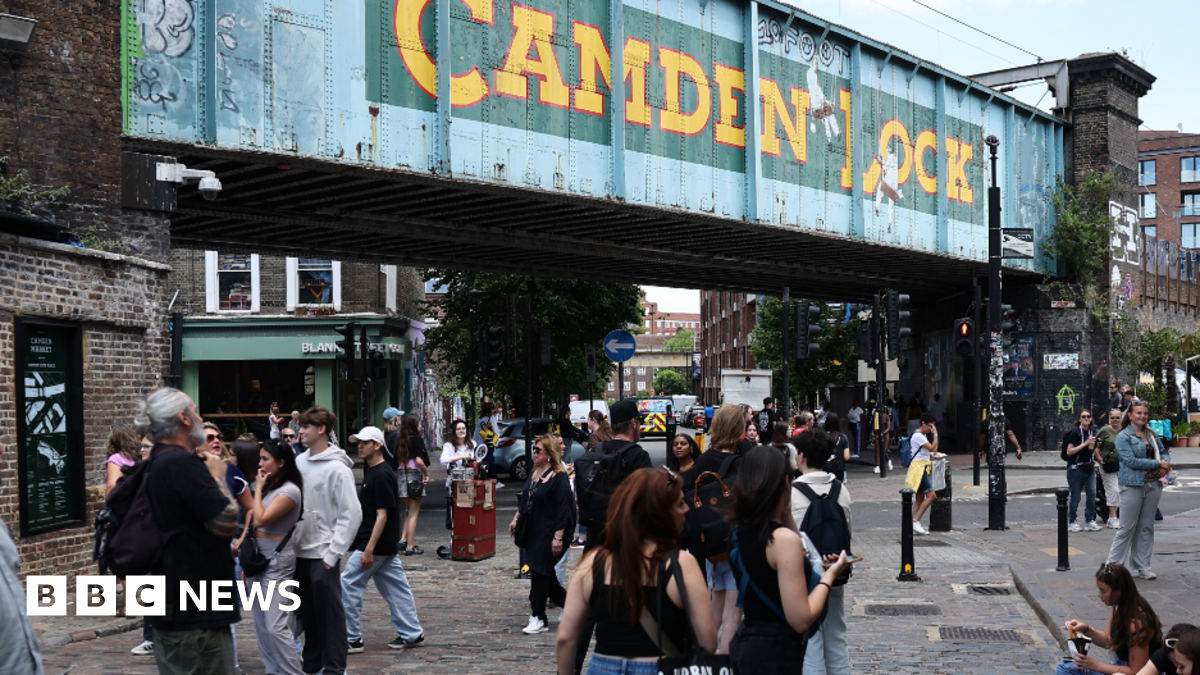
But the think tank said Camden, Hammersmith and Fulham, Kensington and Chelsea, Wandsworth and Westminster would see their overall funding drop by 11–12%, even accounting for a proposed funding floor to limit losses.
These areas are set to lose out under the government’s proposed method to even out differences in council tax revenues, given they have low rates and many properties in higher bands, it added.
Outside London, the East Midlands and Yorkshire and the Humber regions are set to see the biggest increases in funding, according to the report.
Areas with relatively high – but not the highest – population densities are also set to fare well, it estimates, including outer London boroughs and councils in Blackpool, Nottingham and Slough.
It added that the widest range of outcomes would be seen in shire district councils, where some councils where business rate income has grown most, such as Mid Suffolk and North West Leicestershire, would lose out.
Other such districts in more urban areas, such as Harlow, Crawley and Norwich, are among the biggest winners.
The share of funding going to the very poorest areas will be substantially larger, it added, than for the least deprived.