
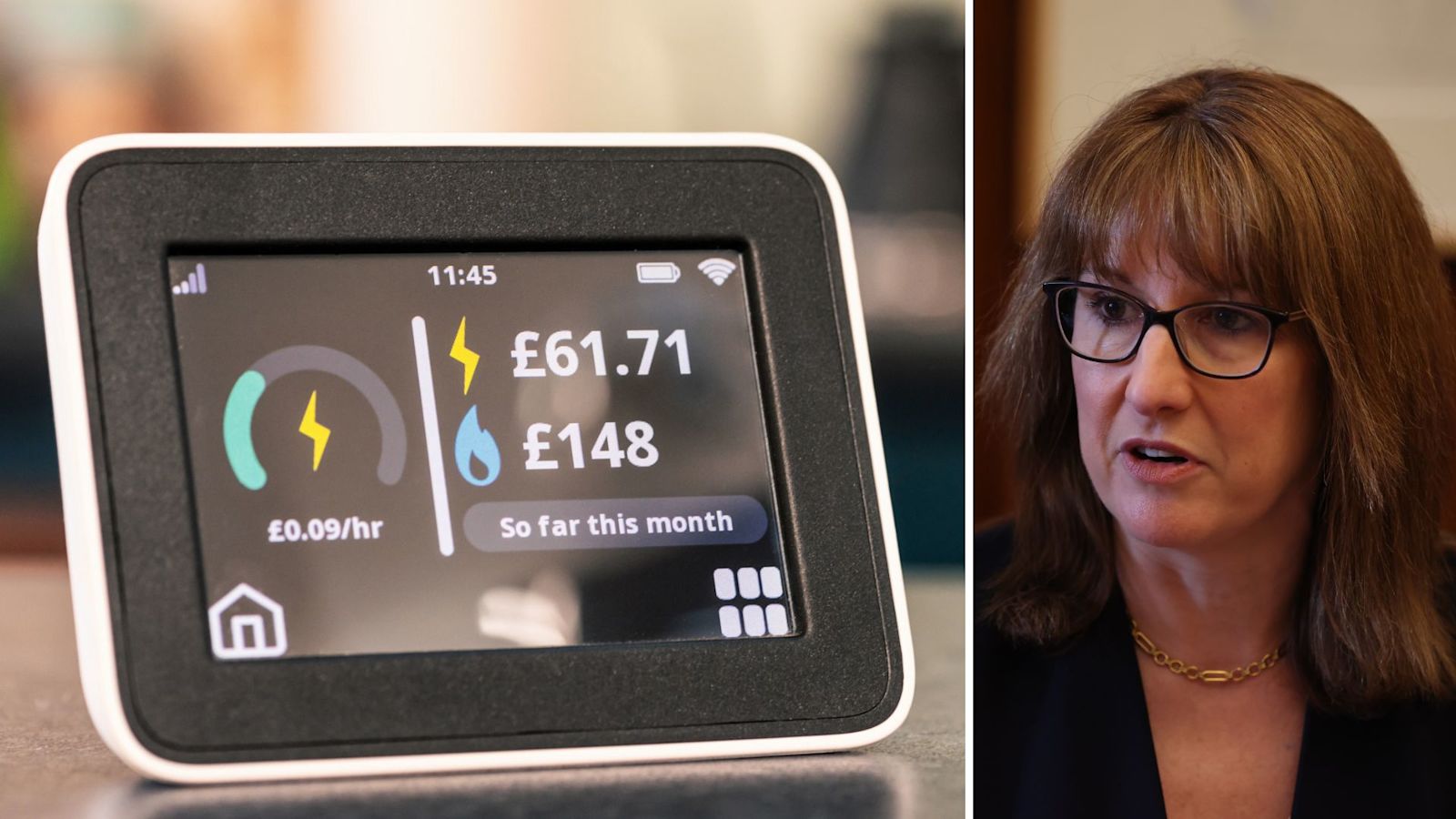
The government announced tougher powers for the consumer watchdog in an effort to combat price gouging amid the ongoing conflict in Iran.
Chancellor Rachel Reeves addressed MPs in the Commons on Tuesday, to outline the measures she intends to take to protect households from rising energy bills.
Her announcement follows a Cobra meeting chaired by the prime minister on Monday, in which cabinet ministers discussed the issues of energy supply and rising bills as a result of the war in Iran.
Concerns have been raised about both the UK’s access to fuel and the effect this is having on energy costs and household bills.
Consumers’ energy bills are currently protected by the energy price cap until the end of June, meaning energy bills will fall in the short-term, as the cap was calculated before the conflict began.
Concerns centre on what happens after June, when an anticipated higher cap is introduced.
Addressing MPs on Tuesday, Reeves described the future as “uncertain” as she set out her plans to help those most in need.
The changing situation in the Middle East
On Tuesday, the global markets showed some sign of recovery, with the price of oil falling below $100 a barrel.
This followed the US President Donald Trump’s apparent climb down from his previous threats to target Iran’s power infrastructure.
Hailing “very good and productive” talks with Tehran, Trump signalled a de-escalation in the conflict on Monday, even as Iranian officials denied any such negotiations took place.
Prime Minister Keir Starmer confirmed to Monday’s liaison committee, however, that the UK was aware of such negotiations.
Despite this apparent cooling of tensions, Starmer warned MPs on Monday that it would be wrong to assume this conflict may have a swift resolution and that the government should prepare for all eventualities.
Addressing MPs, Reeves said the economic challenges from the Iran war may be “significant”, and claimed contingency planning was underway for energy bill support “for those who need it most”.
Subscribe free to our weekly newsletter for exclusive and original coverage from ITV News. Direct to your inbox every Friday morning.
Clamp down on price gouging
Reeves also announced new powers for the consumer rights watchdog to tackle companies suspected of exploiting the Middle East conflict to increase profits.
These will include an “anti-profiteering framework” to detect and crack down on companies exploiting the Middle East crisis and help the Competition and Markets Authority root out price gouging.
The announcement comes after Starmer told the liaison committee of MPs on Monday that he was looking at boosting the competition regulator’s powers, giving it “further teeth” to deal with profiteering.
“Later this week I am holding meetings with supermarkets and banks to discuss how they can further support their customers,” the chancellor said.
“Today I can announce that we are going further to make sure that the competition and markets authority have the powers they they need that were denied to them by the previous government to detect and crack down on price gouging.
“This government will not tolerate any company exploiting this crisis at consumers’ expense,” she said.
Drax power station in North Yorkshire. Credit: iStock / Chunyip Wong
Backing energy security projects
The chancellor stressed the importance of a diverse mix of energy to shield the public from volatile fossil fuel markets.
“I will not tolerate red tape and vested interests holding back our energy security,” she said.
Pointing to large energy projects, which can often face local objection, Reeves stressed the importance of not letting “blockers” get in the way, saying the government will legislate to protect these projects with insurance policies for large energy infrastructure projects being built in the UK.
These indemnities would allow construction on large energy projects to continue, knowing they were supported should they be legally challenged.
“Energy security is national security,” Reeves said.
Reeves did not set out the details of consumer support on energy bills but highlighted the cost of offering it to everyone under Liz Truss. Credit: iStock / andresr
Direct support for consumers
Reeves stopped short of announcing full details of support packages the government were committing to, but did outline the broad strokes of who might qualify.
Many will remember the universal support packages offered by Liz Truss when energy bills soared on account of Russia’s war in Ukraine.
Reeves claimed this universal support saw the top 10% of earners receive an average of £1350 of direct energy bill support, describing this as “a cheque written then for a bill still being paid today.”
Turning away from this approach, the chancellor said Labour would deliver “targeted support for those that need it most.”
From Westminster to Washington DC – our political experts are across all the latest key talking points. Listen to the latest episode below…