
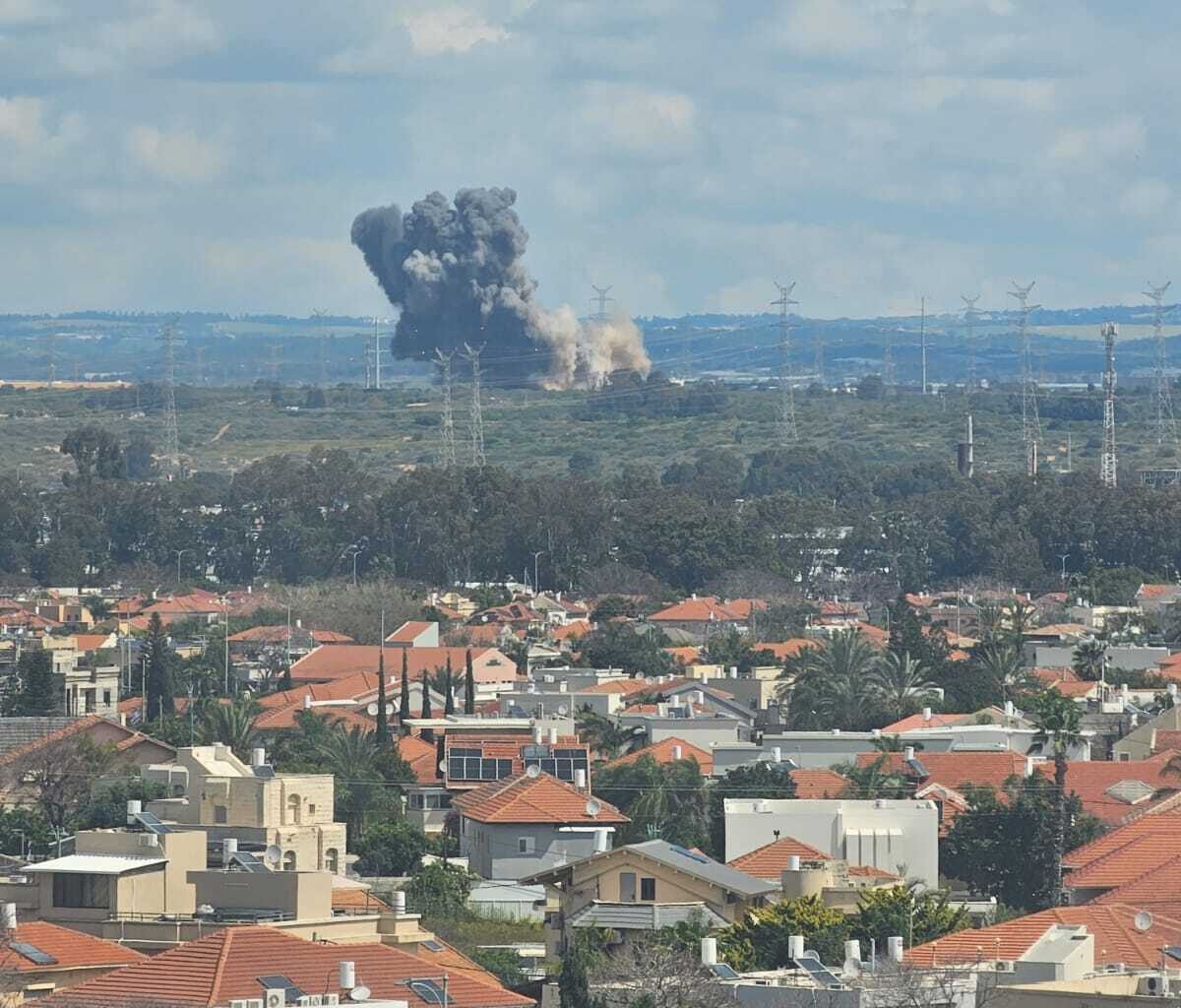
An Iranian ballistic missile struck an open area in northern Israel on Wednesday in an attack appearing to target Israel’s largest power plant and the Israeli Air Force kept up its strikes on regime targets across Iran, even as diplomats worked in the background to end the nearly four-week war.
The attack was the fourth round of missile fire from Iran at Israel since midnight, triggering sirens across central Israel and parts of the north.
Some of the missiles fired in the attack were likely intercepted by air defenses, according to the initial military assessments. Rescue forces responded to reports of missile fragments in several areas following the interceptions.
One of the missiles fell in an open area near Hadera, without causing any injuries. Shortly after, the Israel Electric Corporation said no damage was caused to its infrastructure in the attack.
Israel’s largest power plant, the Orot Rabin power station, is located in Hadera.
Get The Times of Israel’s Daily Edition
by email and never miss our top stories
By signing up, you agree to the terms
Iran has previously threatened to strike power and energy plants in Israel and across the Gulf, and last week forced the closure of the Bazan oil refinery in Haifa for several days due to damage caused by missile fragments.
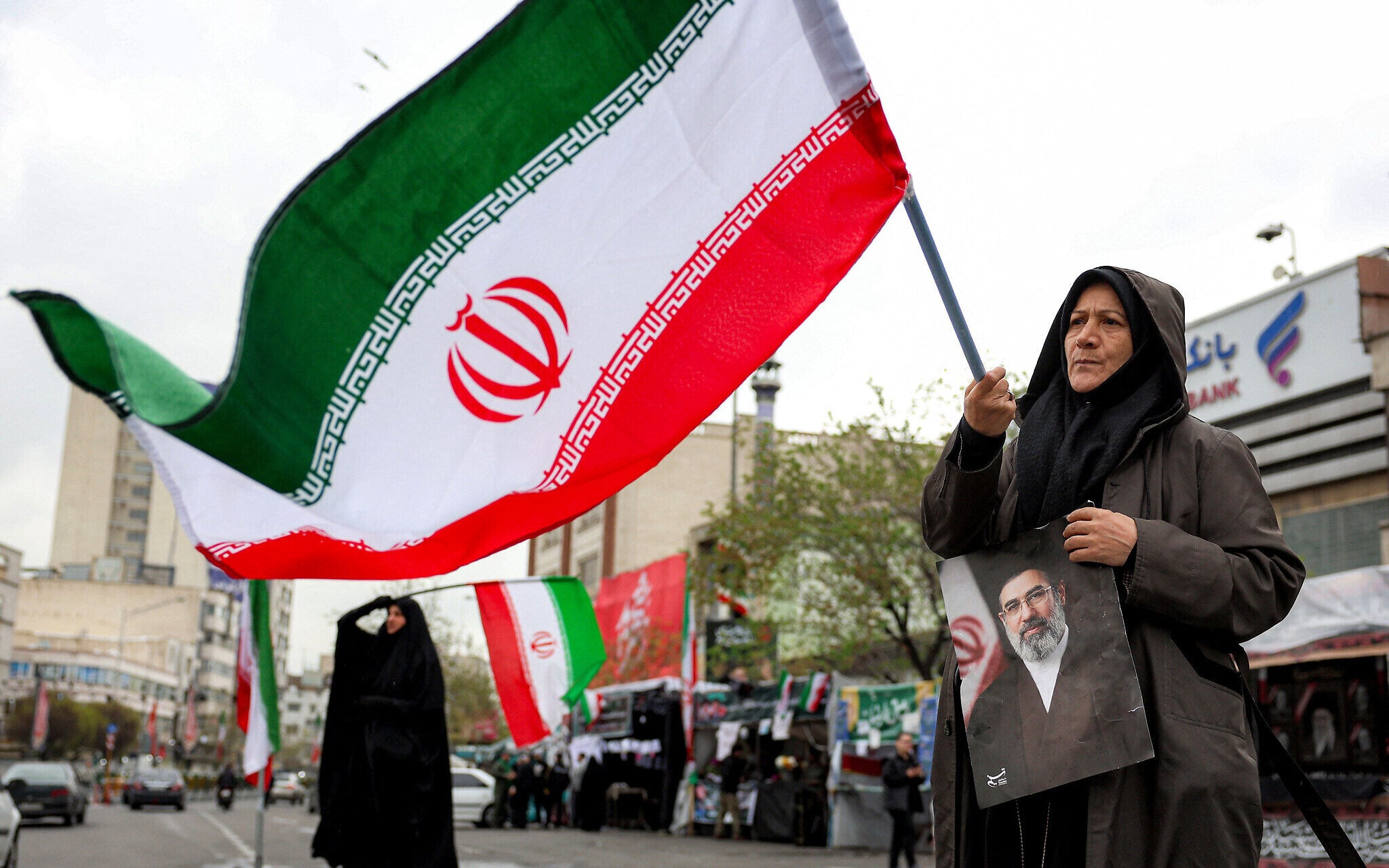
A woman holds a picture of Iran’s new Supreme Leader Mojtaba Khamenei while waving the flag of the Islamic Republic at Enghelab Square in central Tehran, Iran, on March 25, 2026. (AFP)
State media, including the judiciary’s Mizan Online website, on Monday showed infographics of potential targets in Israel, including Orot Rabin and Rutenberg, Israel’s second-largest power plant.
Seven additional rounds of missile fire had targeted Israel by Wednesday afternoon, setting off sirens from the north to Eilat in the south. One ballistic missile salvo targeting Dimona, in southern Israel, coincided with Hezbollah rocket fire from Lebanon, which set off alerts in Ma’alot-Tarshiha and nearby towns in the Galilee.
US President Donald Trump has said talks are underway to end the fighting, with a 15-point peace plan reportedly sent to Tehran.
A senior Iranian official confirmed to Reuters that Pakistan delivered a proposal from the United States to end hostilities, adding that Turkey also helped in contacts and that both Turkey and Pakistan were “under consideration as the venue” for negotiations.
The comments, on condition of anonymity, were among rare signs that Tehran might consider diplomatic proposals, despite insisting in public that no talks were underway and that it would not make a deal with the Trump administration.
The Iranian source did not disclose details of the proposal passed on by Pakistan, or whether it was the same as the previously reported 15-point US framework.
With the official status of talks uncertain, but diplomats indicating mediation was ongoing behind the scenes, the daily salvos of strikes across the region continued unabated.
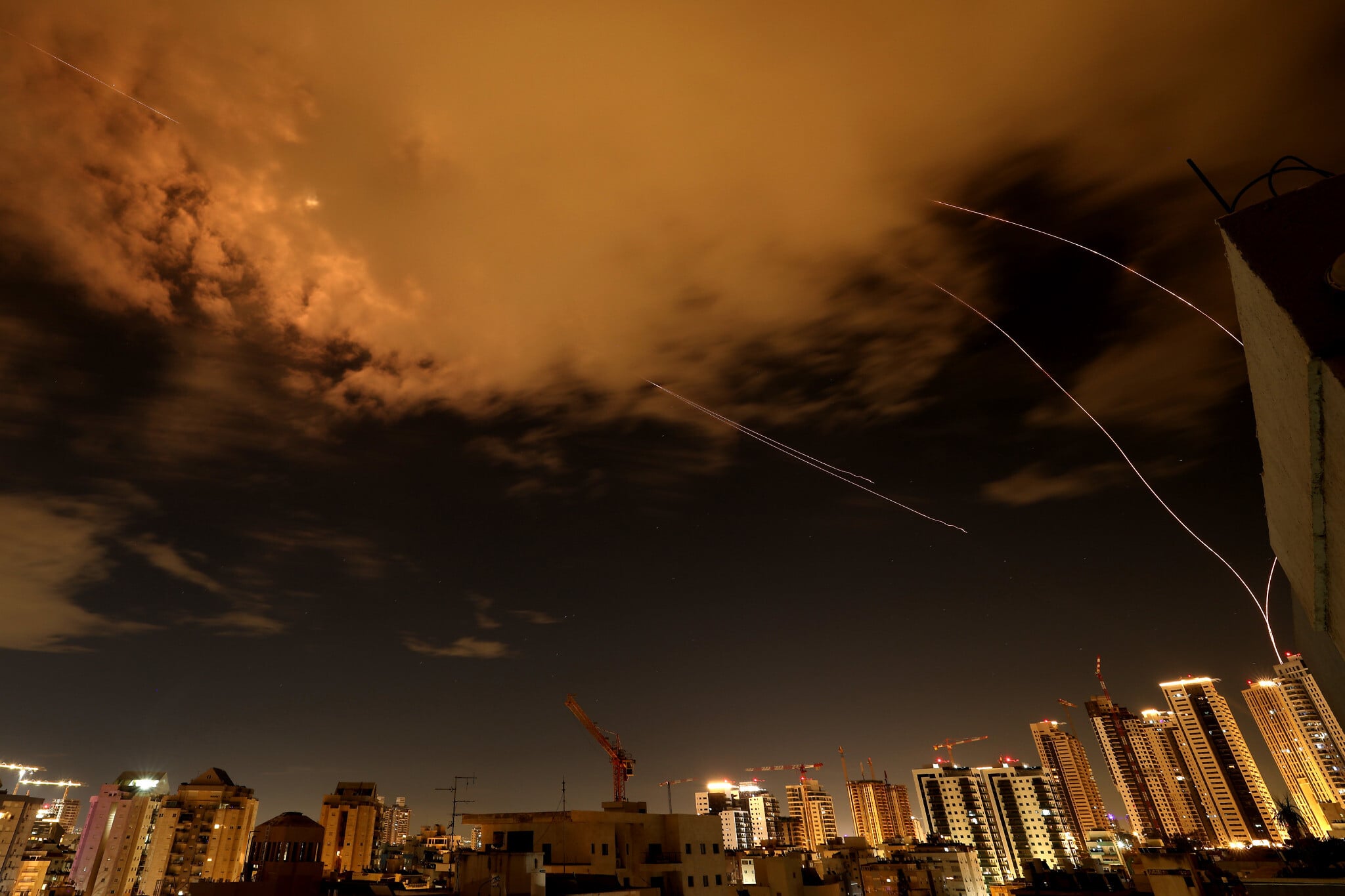
Rocket trails are seen in the sky above the Israeli coastal city of Netanya amid a fresh barrage of Iranian missile attacks on March 25, 2026. (Photo by JACK GUEZ / AFP) /
The Israel Defense Forces announced on Wednesday that the Israeli Air Force had successfully bombed Iran’s sole facility for the development of submarines. The site was targeted on Tuesday as part of a wave of strikes against Iranian weapons manufacturing facilities in the Isfahan area.
According to the IDF, the center for underwater military R&D in Isfahan is the “only site in Iran responsible for the planning and development of submarines and auxiliary systems for the Iranian navy.”
“The regime produced various models of unmanned vessels at the site,” the military said.
The air force also bombed several Iranian weapon production sites in Tehran overnight, the military said. According to the IDF, the targeted facilities were used by Iran to manufacture various aerial and naval weapons, including those intended for Hamas, Hezbollah, and other proxy groups.
Also during the wave of strikes, IAF aircraft struck Iranian air defense systems, the military added.
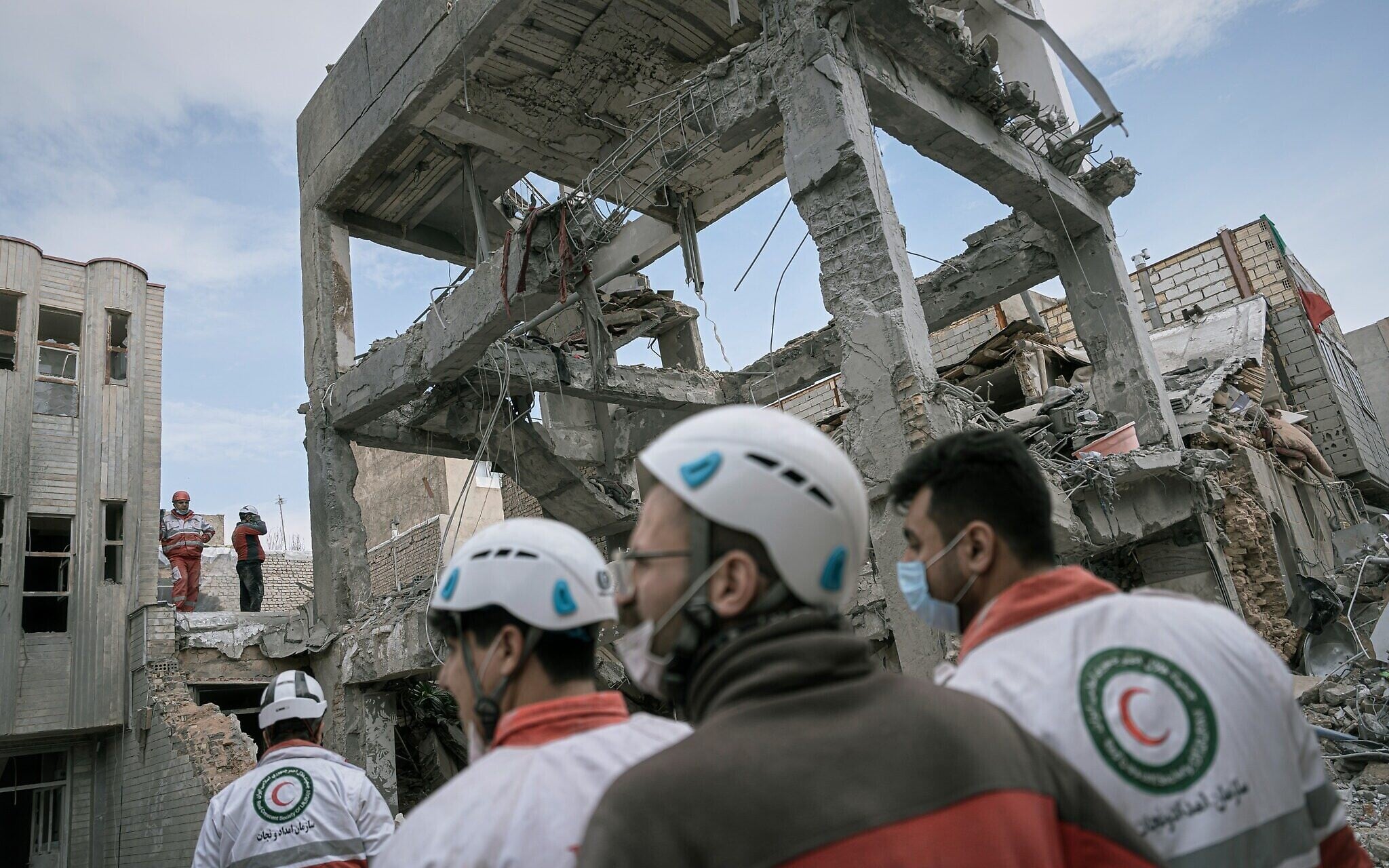
First responders inspect the remains of a residential building hit in an overnight strike during the US-Israeli military campaign, in Tabriz, East Azerbaijan Province, northwestern Iran, March 24, 2026. (AP Photo/Matin Hashemi)
Separately, the IDF said Wednesday afternoon it had completed several waves of airstrikes targeting Iranian regime infrastructure in Tehran. It said it would provide further details at a later point.
Since the start of the war with Iran on February 28, Israel has dropped more than 15,000 bombs across the Islamic Republic, more than four times the amount used during the 12-day war in June 2025, Defense Minister Israel Katz said.
He said that he and IDF Chief of Staff Lt. Gen. Eyal Zamir had approved a new series of targets for strikes in both Iran and Lebanon during an assessment on Wednesday morning.
Amid the ongoing fighting in both Iran and Lebanon, the IDF was also authorized by the government on Wednesday to call up 400,000 reservists for the war effort.
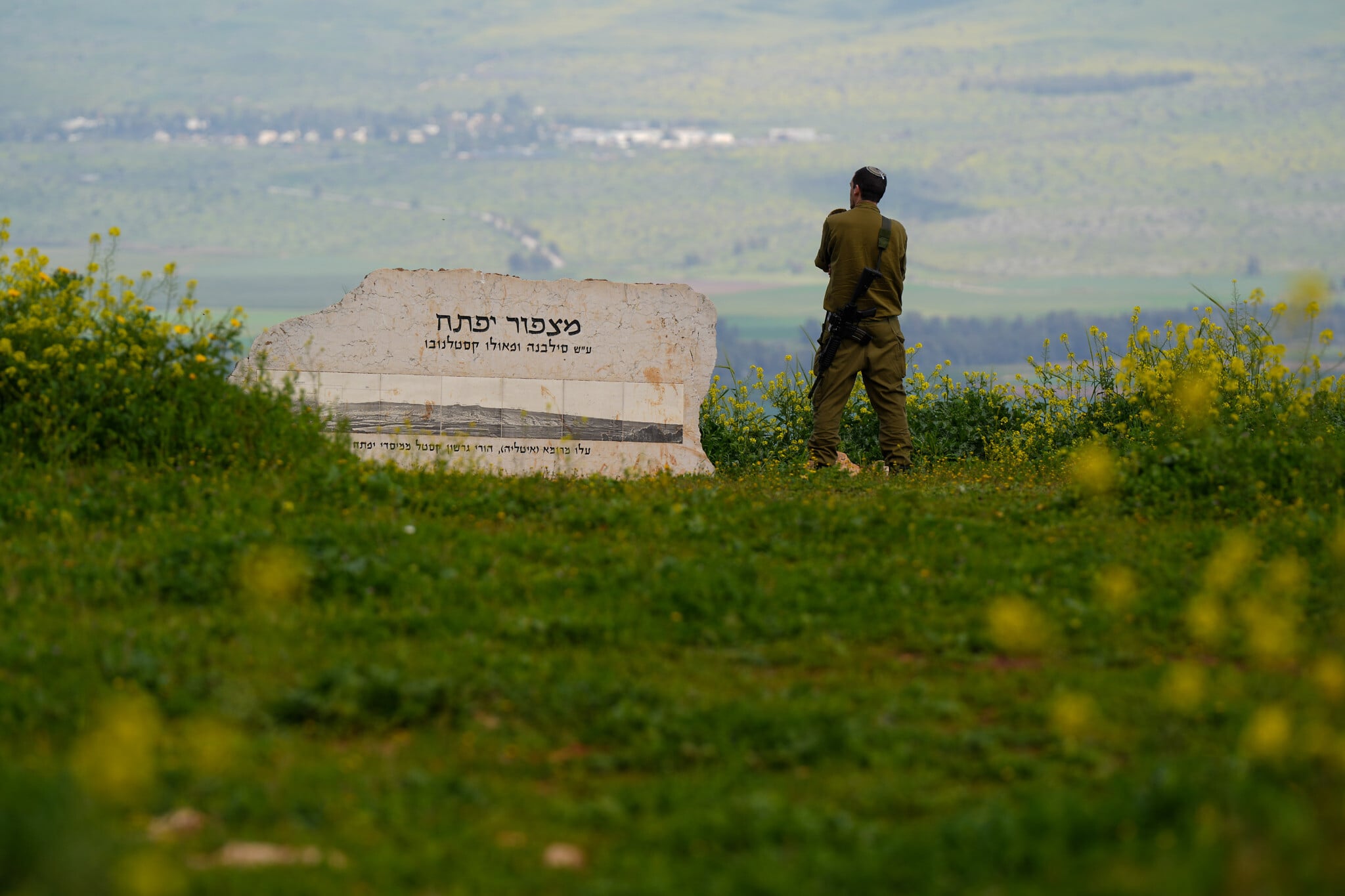
An Israeli soldier stands near the border with Lebanon, March 23, 2026. (Ayal Margolin/Flash90)
The military said that this did not constitute the actual number of reservists that the IDF would be calling up, but rather a “ceiling that allows flexibility… according to operational needs.”
The previous cap was 280,000, approved in December.
Authorizing the IDF to draft reservists with emergency call-up orders has been brought for government approval every few months since the beginning of the war with Hamas in October 2023.
In non-emergency times, the IDF can only call up reservists with advance warning rather than at short notice, and cannot call them up for an extended period.
Elsewhere in the region, Iran fired a volley of “precision-guided” missiles and drones at bases hosting US forces in Kuwait, Jordan and Bahrain, the country’s Islamic Revolutionary Guard Corps said early Wednesday.
Drones hit a fuel tank at Kuwait International Airport, sparking a fireball, authorities in Jordan reported shrapnel falling near the capital Amman, and air raid warnings rang out in Bahrain.
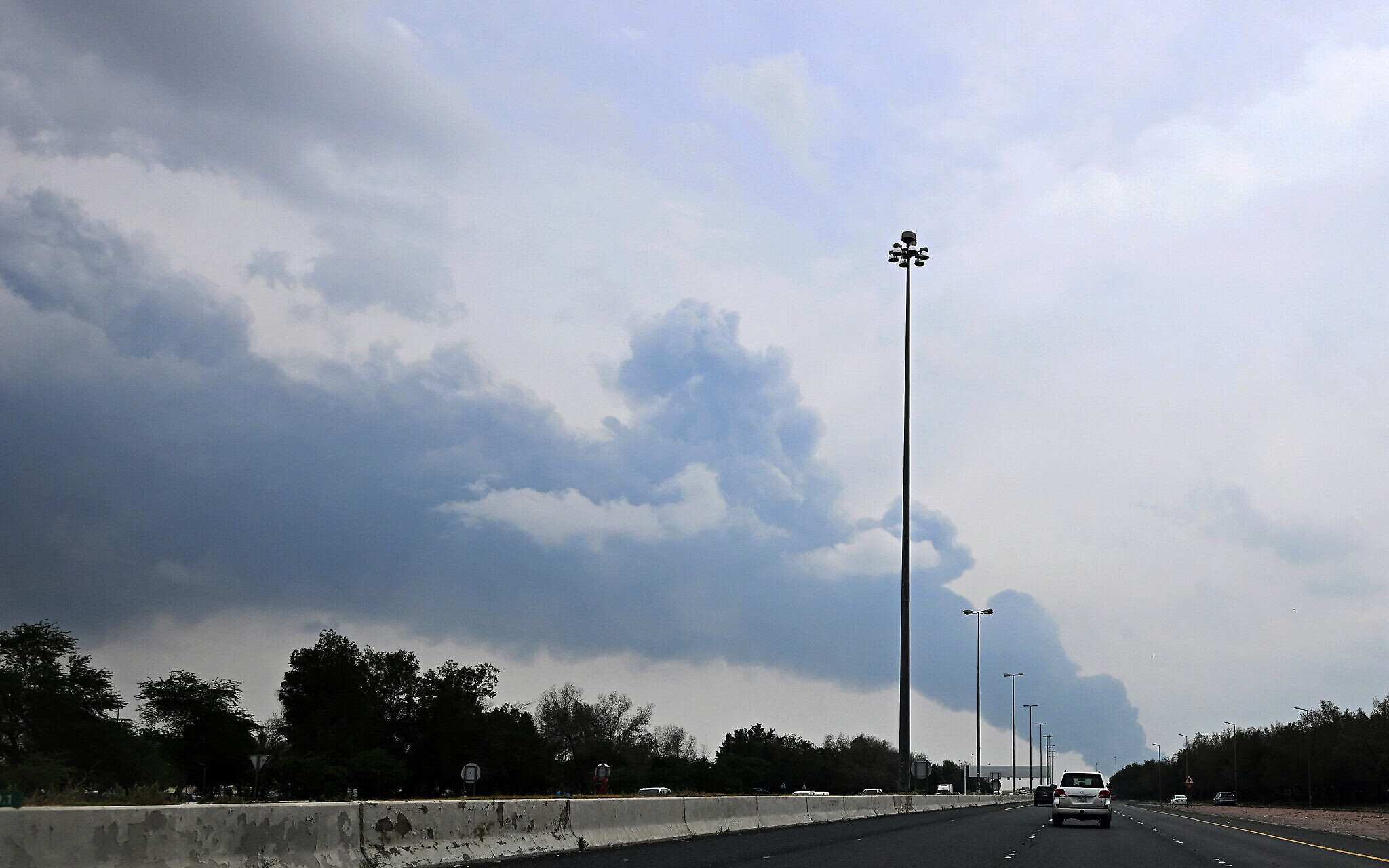
Smoke rises from the area of the Kuwait International Airport after an Iranian drone strike hit a fuel depot, on March 25, 2026. (AFP)
Israel launched its campaign against Iran, alongside the US, to degrade the Iranian regime’s military capabilities, distance threats posed by Iran — including its nuclear and ballistic missile programs — and “create the conditions” for the Iranian people to topple the regime, the military and other Israeli leaders have said.
Since the war began on February 28, 15 Israeli civilians and foreign nationals have been killed in Israel in Iranian ballistic missile attacks, along with four Palestinians in the West Bank.
Two IDF soldiers have been killed in southern Lebanon in a Hezbollah attack, an Israeli woman was killed by a Hezbollah rocket, and an Israeli civilian was mistakenly killed in the north by artillery shelling.
More than 400 ballistic missiles have been launched from Iran at Israel since the start of the war, with the military reporting an interception rate of 92 percent of attacks heading for populated areas and key infrastructure.
In all, eight missiles carrying conventional warheads with hundreds of kilograms of explosives have struck populated areas in Israel, causing extensive damage in six cases. There have also been more than 30 incidents of missiles carrying cluster bomb warheads hitting populated areas, with over 150 separate impact sites.