
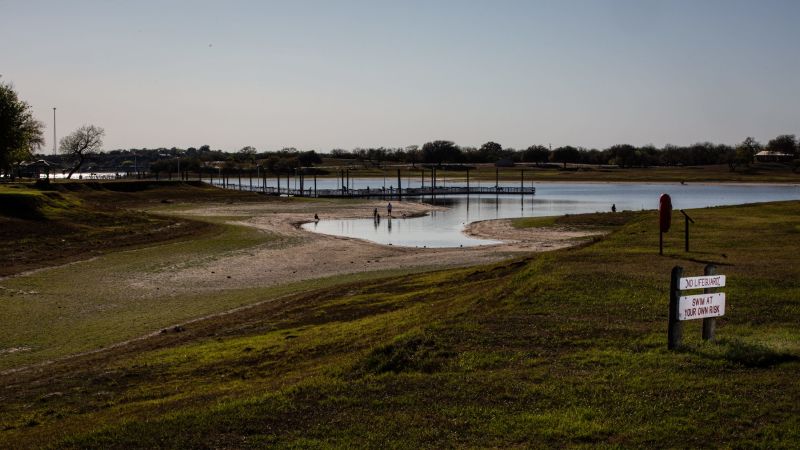
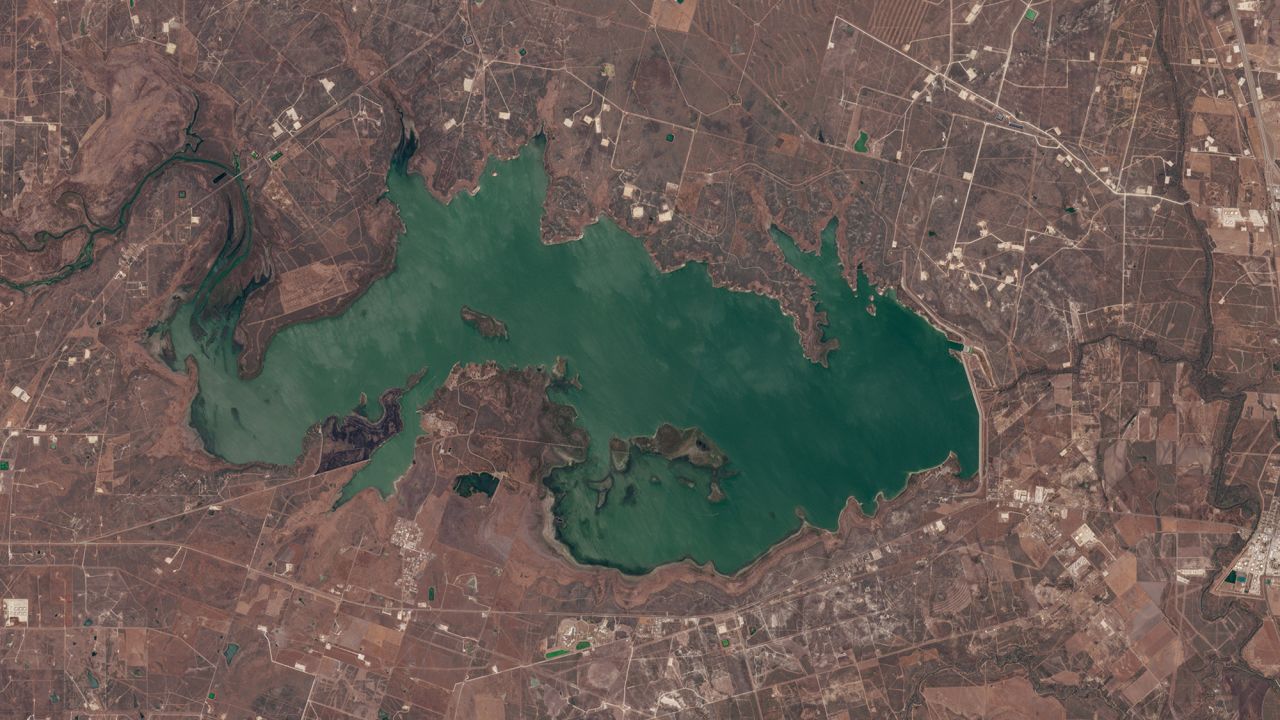
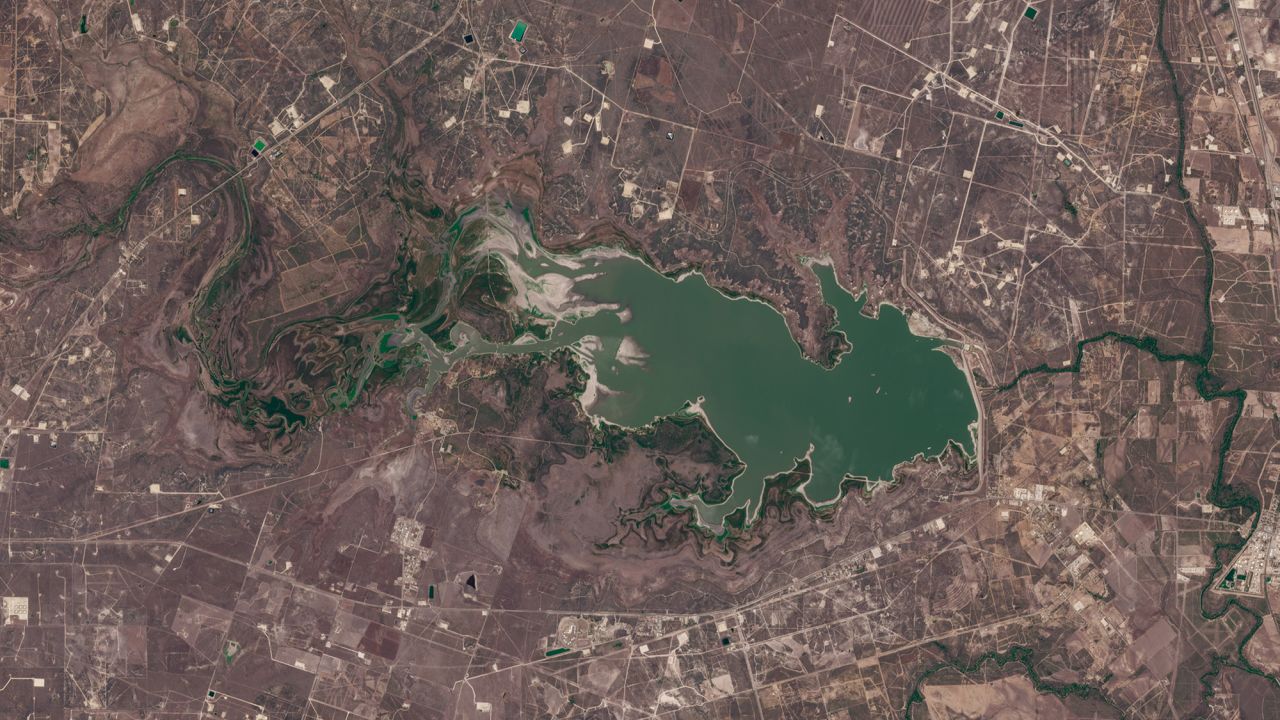
The rapidly receding shoreline of Lake Corpus Christi in Texas has revealed swaths of newly exposed lakebed, left boat docks jutting out into nothingness and uncovered previously submerged remnants of history, from bridges to boathouses.
On a recent visit, local resident Isabel Araiza found parts of the lake so transformed, she could scarcely believe there was ever water there. “It’s just a lawn,” said the college professor and co-founder of For the Greater Good, a local grassroots group focused on water issues.
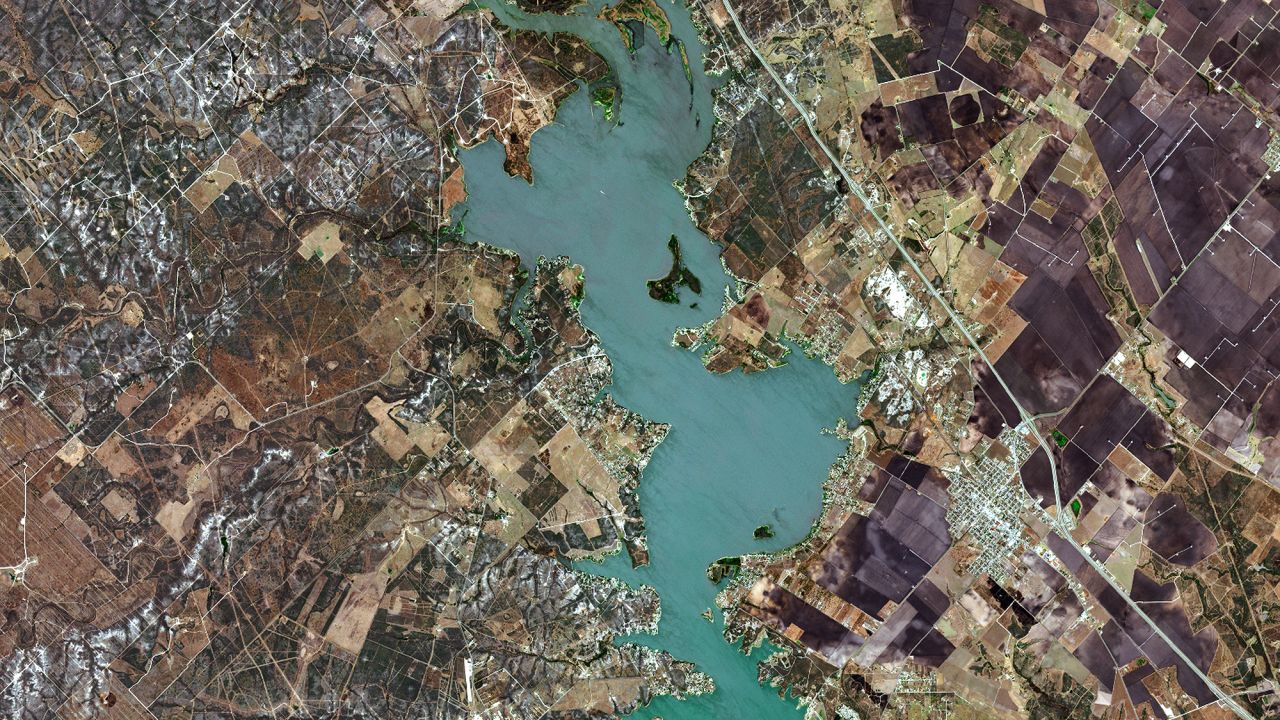
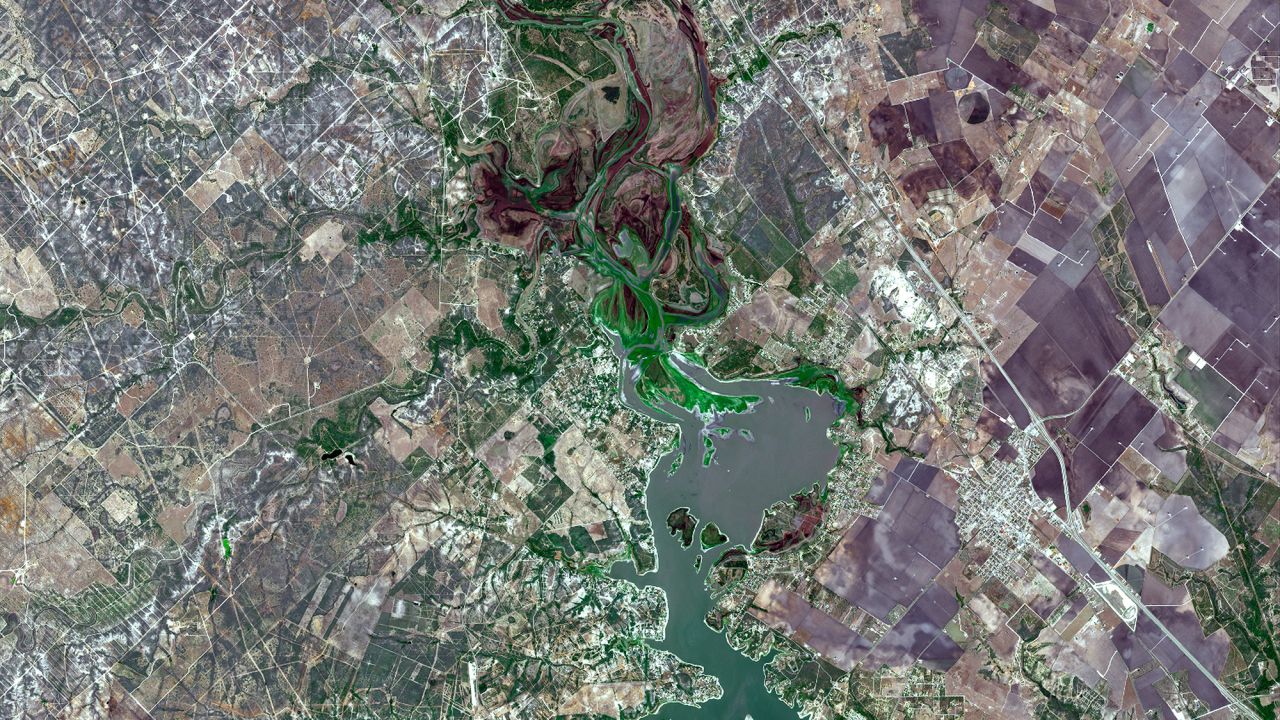
Lake Corpus Christi is a key water source for the city of Corpus Christi, a petrochemical and oil refining hub nestled on the Gulf coastline, but it has shrunk to historic lows as the region grapples with a five-year drought. It now stands at just over 9% of its capacity.
A similar story is unfolding at other lakes the city depends on: Nearby Choke Canyon Reservoir is less than 8% full, and farther northeast, Lake Texana is roughly 50% full.
The drastically low water levels amount to a crisis so severe that, in just a few months, it could force the city into emergency water use restrictions to prevent taps running dry and businesses grinding to a halt. What’s happening in Corpus Christi offers a warning to other water-scarce, industry-heavy cities as climate change fuels more prolonged droughts and commercial demands for water ramp up.
“The water taps are still flowing, but people are freaking out,” Araiza said.
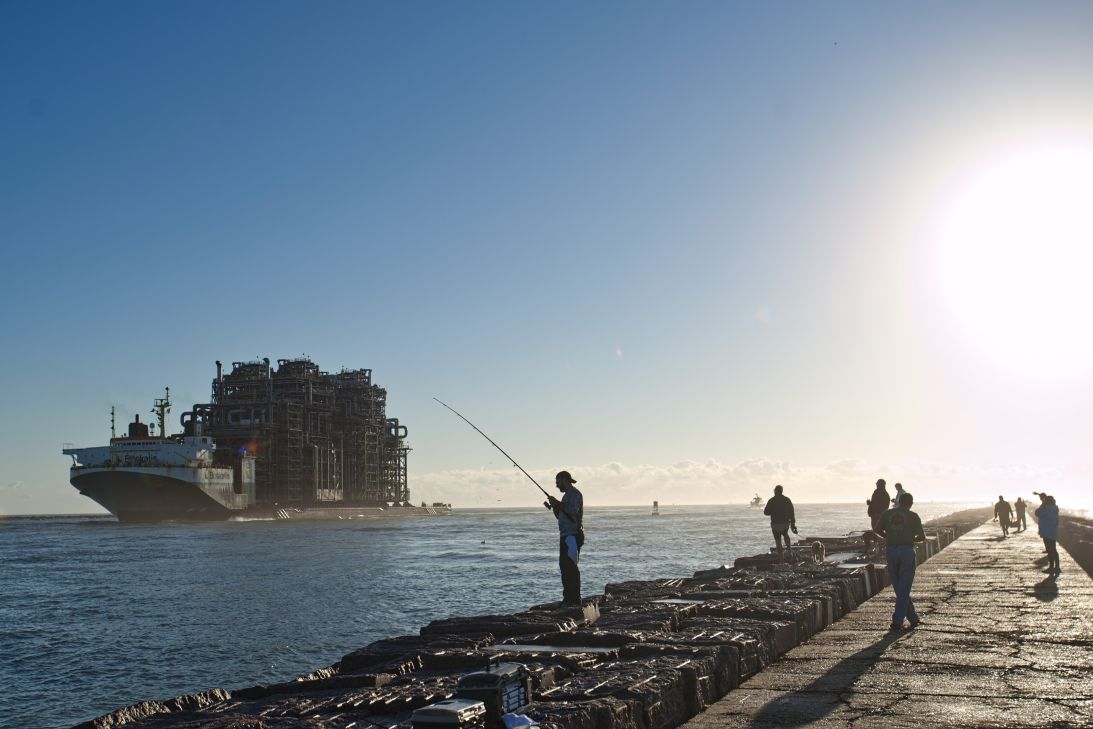
The Corpus Christi landscape is dotted with petrochemical plants, steel mills, gas export facilities and oil refineries. They produce products including fuels, refrigerants, pharmaceuticals, steel, oil and gas, said Bob Paulison, executive director of the Coastal Bend Industry Association. “Essential goods that support not only Texas, but the nation and global markets.”
These industries are also heavily dependent on water for processes such as cooling machinery and removing contaminants during oil refining.
“Corpus Christi is in a bit of a unique position because it is such an arid climate and there’s such large-scale industry,” said Ryan Hassler, a vice-president at Rystad Energy.
Just 12 companies use around 55% of the city’s water, according to Corpus Christi City Manager Peter Zanoni.
Many have been in the region for decades, but industrial demand has ramped up recently as new plants have come online, enticed with promises of water supplies to slake their enormous thirst. These include a huge plastics manufacturing facility co-owned by fossil fuel giant ExxonMobil and Saudi chemicals company SABIC, and a steel mill owned by Steel Dynamics, both of which opened in 2022 and were collectively promised tens of millions of gallons of water a day.
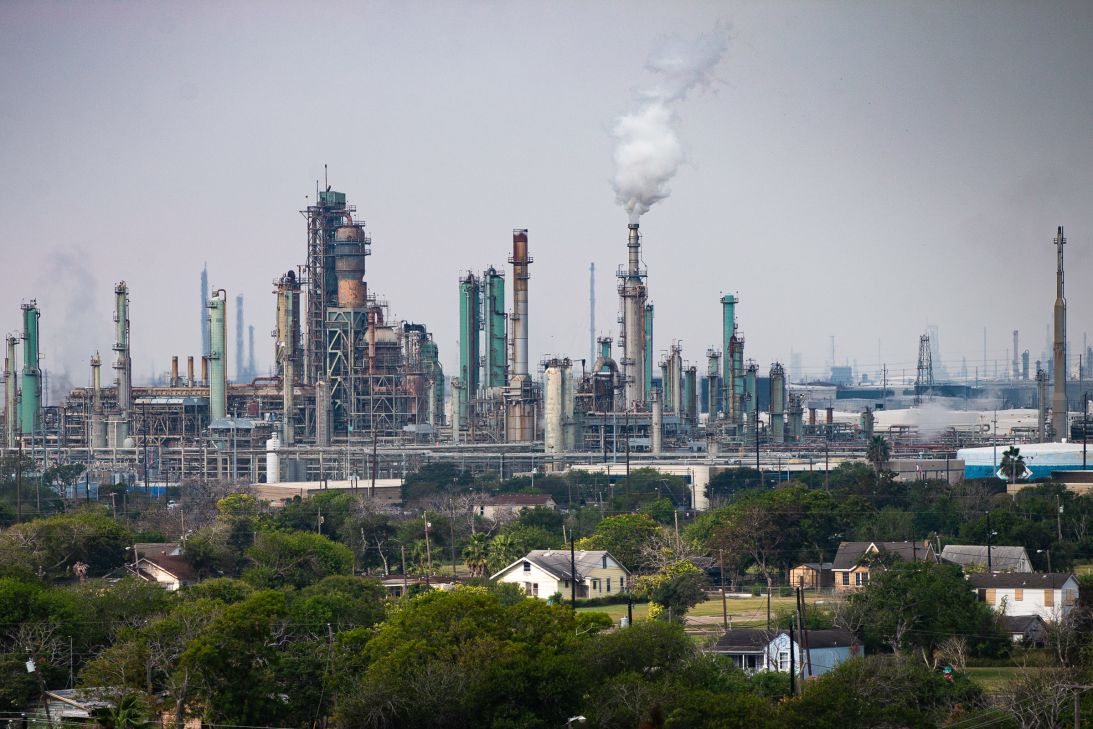
The problem is, water pledges appear to have been based on ambitious projects that have not yet come to fruition — primarily, a desalination plant to transform seawater into freshwater, by removing salt and impurities. “They promised all this water without having the water,” Araiza said.
City spokesperson Robert Gonzales declined to comment on that claim, saying the companies negotiated their contracts with the local water district that provides water to the city and industry.
But as the crisis escalates, blame is swirling around city officials, not least from Texas Gov. Greg Abbott. He pulled no punches at a recent news conference, during which he claimed the city had “squandered” $750 million in funding for water measures, accused officials of being unable to make decisions and suggested the state might need to “takeover and micromanage” the city.
“Governor Abbott will utilize all necessary tools to ensure the Corpus Christi area has a safe, reliable water supply,” said Andrew Mahaleris, Abbott’s press secretary, although he did not address specific questions on what a takeover might look like.
City officials say most of the $750 million, which was earmarked specifically for desalination, remains available to be spent, and they have been working with the state for years to bring on new water sources. Over the past year, the city has approved $1 billion of financing to generate an additional 76 million gallons a day of new water capacity, including through groundwater projects, Zanoni said.
The main focus of efforts, however, has been the proposed Inner Harbor desalination plant, which has been discussed for more than a decade as a key solution to help ease the city’s water crunch. But as cost estimates ballooned last year, from around $757 million to $1.3 billion, the city balked and voted to kill the project at a fraught public meeting in September.
The looming possibility of water shortages, however, has put it back on the table. The city will vote on a new concept for the plant from a different bidder at an early April meeting.
The project is fully permitted and fully funded, according to Zanoni, who said desalination would build an abundant and drought-proof water supply. “We should have enough water supply for two, maybe even three times the demand at any point in time, regardless of if we’re in drought or not,” he said.
Desalination makes sense for Corpus Christi given its geographical location on the Gulf Coast, said Rystad’s Hassler, but “the upfront cost has really been what’s been the prohibitor thus far.” It can be expensive once it’s up and running, too; desalination is a very energy-intensive process.
There’s also concern about the super-salty brine produced by desalination and the potential for it to upend fragile marine ecosystems. Corpus Christi’s jade-hued bay, home to a host of life including dolphins, is what Araiza and many other residents love about the city. Some fear the plant could pollute this water, while offering scant benefit to residents.
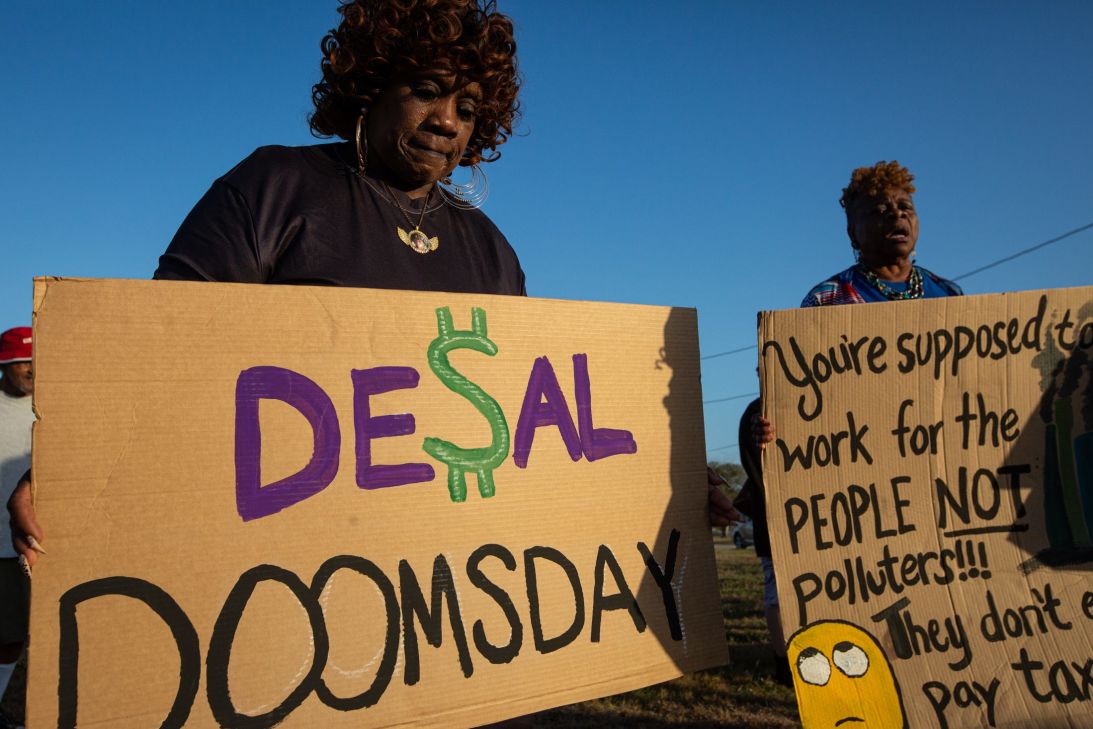
City officials “are scrambling, and willing to put the city in debt, increase our water bills so that they can have more water projects, really for industrial users,” Araiza said.
Zanoni said numerous studies show the desalination plant would not affect marine life or water quality and that there were thousands of such facilities across the world with few reported negative environmental impacts. It’s “tough” to approve policy decisions that will raise costs for ratepayers, he said, but “our reliance on rain and groundwater has caught up with us.”
As the city has gone back and forth on the future desalination plant, the reservoirs it currently depends on have continued to shrink.
At a fractious and lengthy city council meeting last week, officials sketched out potential scenarios, the worst of which envisaged a “level 1 water emergency” as early as May — meaning the city would only have 180 days until water demand outstripped supply.
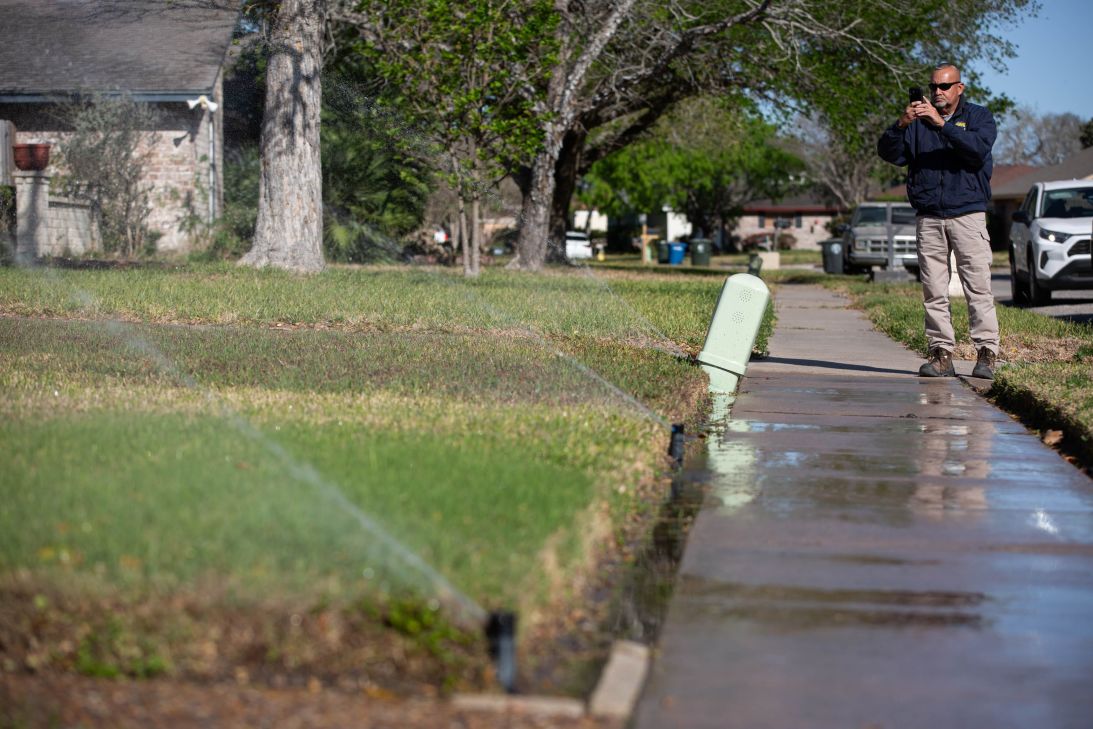
Residents are already affected by restrictions, facing fines of hundreds of dollars for watering their lawns at the wrong time or too often.
Resentment is simmering among some that they must abide by restrictions while industrial water use largely continues unfettered. Companies are technically bound by water shortage rules, but current restrictions are mainly directed at residential use, including watering yards and filling pools.
Industry can also pay a surcharge of 31 cents per 1,000 gallons of water they use to avoid lower-level water restrictions. If the city enters a level 1 drought emergency, however, businesses will be in crosshairs of cuts. Everyone would have to cut their water use by 25%.
Exactly how this will work for industry is unclear, especially as it would be very challenging for some to quickly cut consumption given their reliance.
The city and industry have discussed voluntary water reductions, Zanoni said, but harder conversations about mandatory cuts haven’t happened — for fear big industry will leave. “If you compel a business to not have a resource they need to run their business, then their business will either close down partially or entirely,” he said, adding that could result in lost jobs, sales tax and lower property values. “They are the lifeblood of the economy, and we’re very mindful of that.”
Some businesses have been working on water saving measures. Flint Hills Resources, a key provider of jet fuel to major airports in the region, is developing a reclaimed wastewater project expected to come online at the end of the year that will be able to cover 15% of the total water use of its two Corpus Christi refineries, said Jake Reint, a spokesperson for the company.
Intense rainfall would help alleviate the crisis, but little is forecast for the next few months. For now, there are moves to find temporary relief. Abbott has delayed a requirement that Corpus Christi cut its water use from Lake Texana when the lake’s levels dip below 50%. Water cuts will now be triggered at 40%.
The governor has also waived certain regulations in order to expedite permits for water measures, including releasing groundwater into the Nueces River.
City officials, meanwhile, are scrambling to advance other desalination plants, but these may take years to come online. There are well-drilling projects at various stages of completion, but critics say these are short-term fixes. All the while, time ticks on.
A dry and thirsty future
At its heart, the situation in Corpus Christi highlights what happens when an industrial boom rubs up against the reality of the climate crisis and its increasingly stark impacts on water resources.
It offers a glimpse into the future for other parts of the US and beyond. “Rainfall-based water supplies need safety factors,” said Robert Mace, executive director of The Meadows Center for Water and the Environment at Texas State University. “There is a need for plans and projects for when the best-laid plans and projects fail.”
As water dwindles, the ability to agree on the best path forward may become increasingly difficult as scarcity pits industrial needs against those of people. No one denies the emergency; they just disagree on the solutions.
“People want jobs. People want economic security. They want water, right?” Araiza said. “But it doesn’t have to be this way.”