
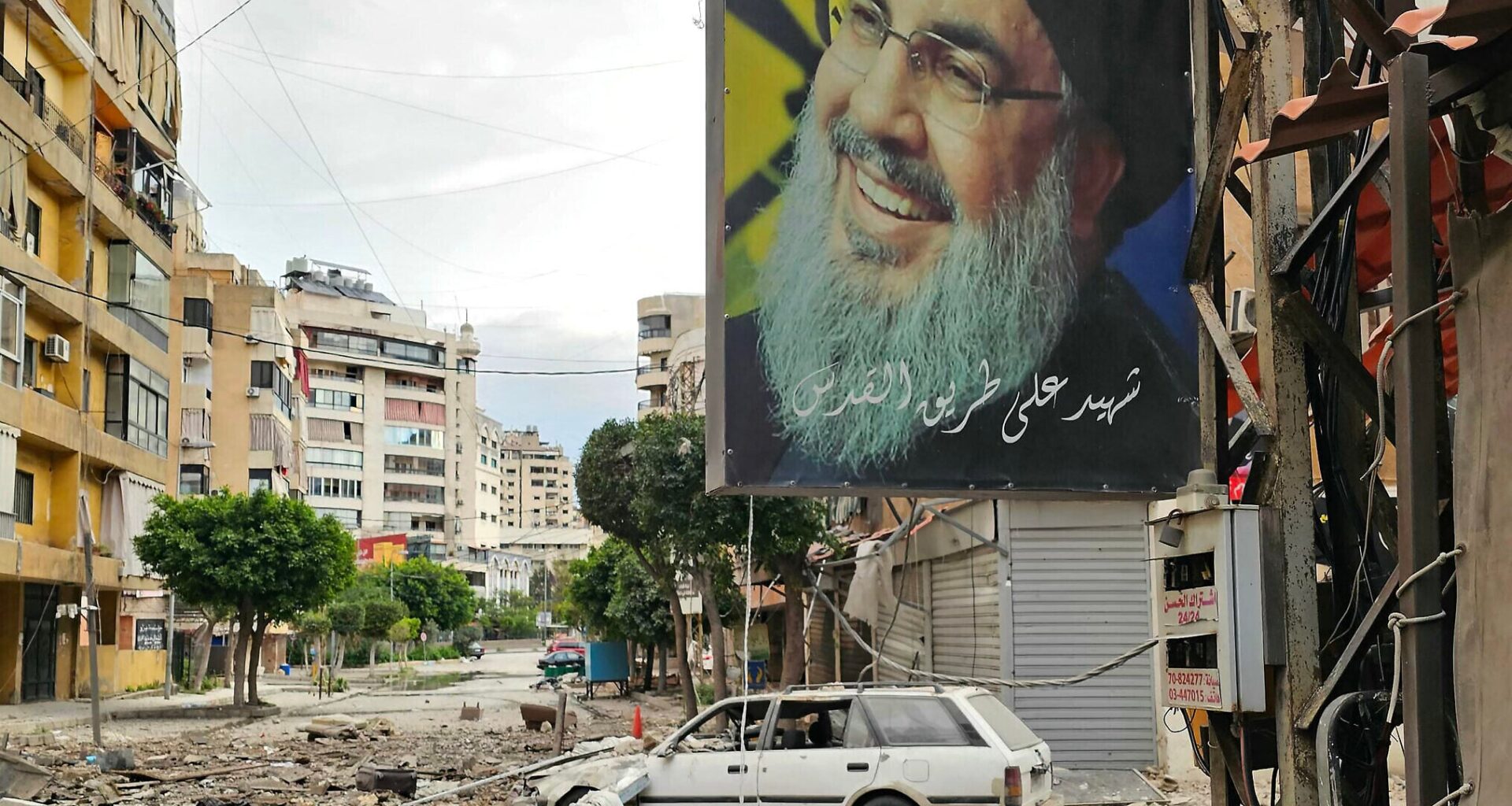
Hezbollah fired a salvo of several missiles at central Israel overnight, hours after two soldiers were seriously hurt in Lebanon in separate incidents.
The Lebanese terror group claimed that the salvo targeted the Israel Defense Forces’ Kirya headquarters in Tel Aviv, but the IDF said all of the missiles were successfully intercepted. Hezbollah also fired additional rockets at northern border communities overnight, in addition to Safed and the Golan, with no injuries reported.
The Magen David Adom ambulance service reported that no one was directly hurt by the attack on the Tel Aviv area, though a woman was moderately wounded when she sustained a head injury while seeking shelter from the missiles and two others were lightly hurt in a car accident at the time. MDA said multiple missile fragments were found after the salvo.
The attack comes more than three weeks after Hezbollah, which is backed by Iran, renewed its rocket and drone fire on Israel amid the US-Israeli war with the Islamic Republic.
Since then, Hezbollah has been firing an average of about 150 rockets per day, according to the IDF. Roughly two-thirds of the daily rocket fire has been directed at Israeli forces operating in southern Lebanon and along the border, with the remaining third aimed at Israel.
Get The Times of Israel’s Daily Edition
by email and never miss our top stories
By signing up, you agree to the terms
In response, the IDF has deepened its presence on the ground in southern Lebanon and has conducted heavy airstrikes on thousands of Hezbollah targets, calling on large numbers of civilians to evacuate southern Lebanon. The military has said that it has killed around 700 Hezbollah operatives, including hundreds of members of the terror group’s elite Radwan Force, since hostilities escalated amid the war with Iran.
As talks to end the Iran war have gotten underway, Tehran has reportedly demanded that the Israel-Hezbollah conflict cease as part of a peace deal. But on Wednesday, Prime Minister Benjamin Netanyahu said Israel was creating an expanded buffer zone in Lebanon to push back threats from Hezbollah anti-tank missiles. Now, he said, the focus is on “dismantling Hezbollah.”
“We are determined to do everything to fundamentally change the situation in Lebanon,” he promised.
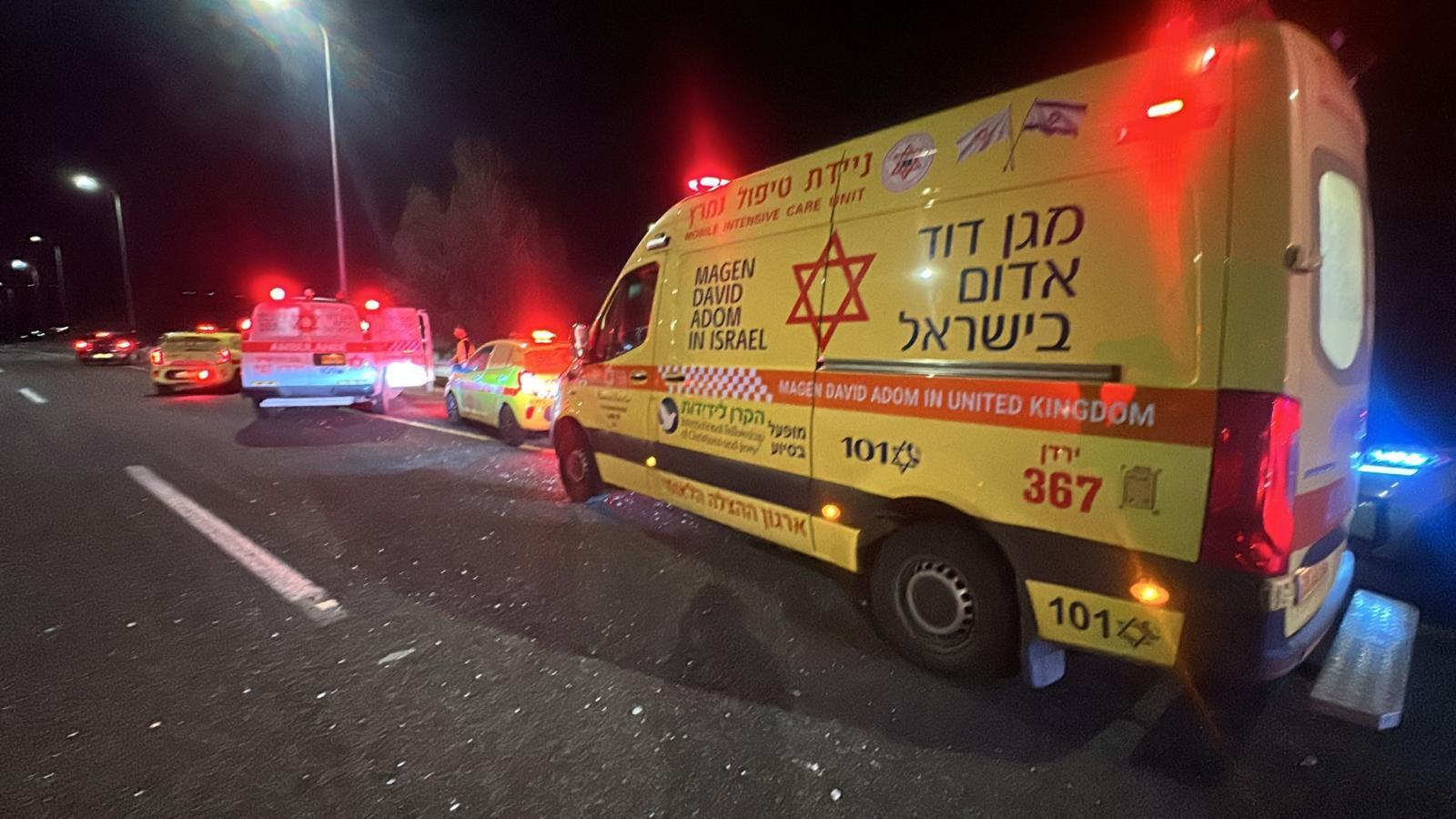
First responders at the scene of a deadly Hezbollah rocket strike in northern Israel on March 24, 2026. (MDA)
On Wednesday, the IDF said a reservist was seriously wounded by Hezbollah rocket fire in southern Lebanon earlier in the day. The rocket strike also injured a reserve battalion commander and another reservist, both of whom were listed in good condition.
Early on Thursday morning, the IDF said another soldier was seriously wounded on Wednesday by a Hezbollah mortar in southern Lebanon. The mortar strike also lightly injured an officer and two other troops.
The IDF believes Hezbollah still possesses thousands of short-range rockets, along with hundreds of longer-range projectiles. The IDF has said that Hezbollah is launching most of its attacks from deeper within southern Lebanon, and not from close to the border.
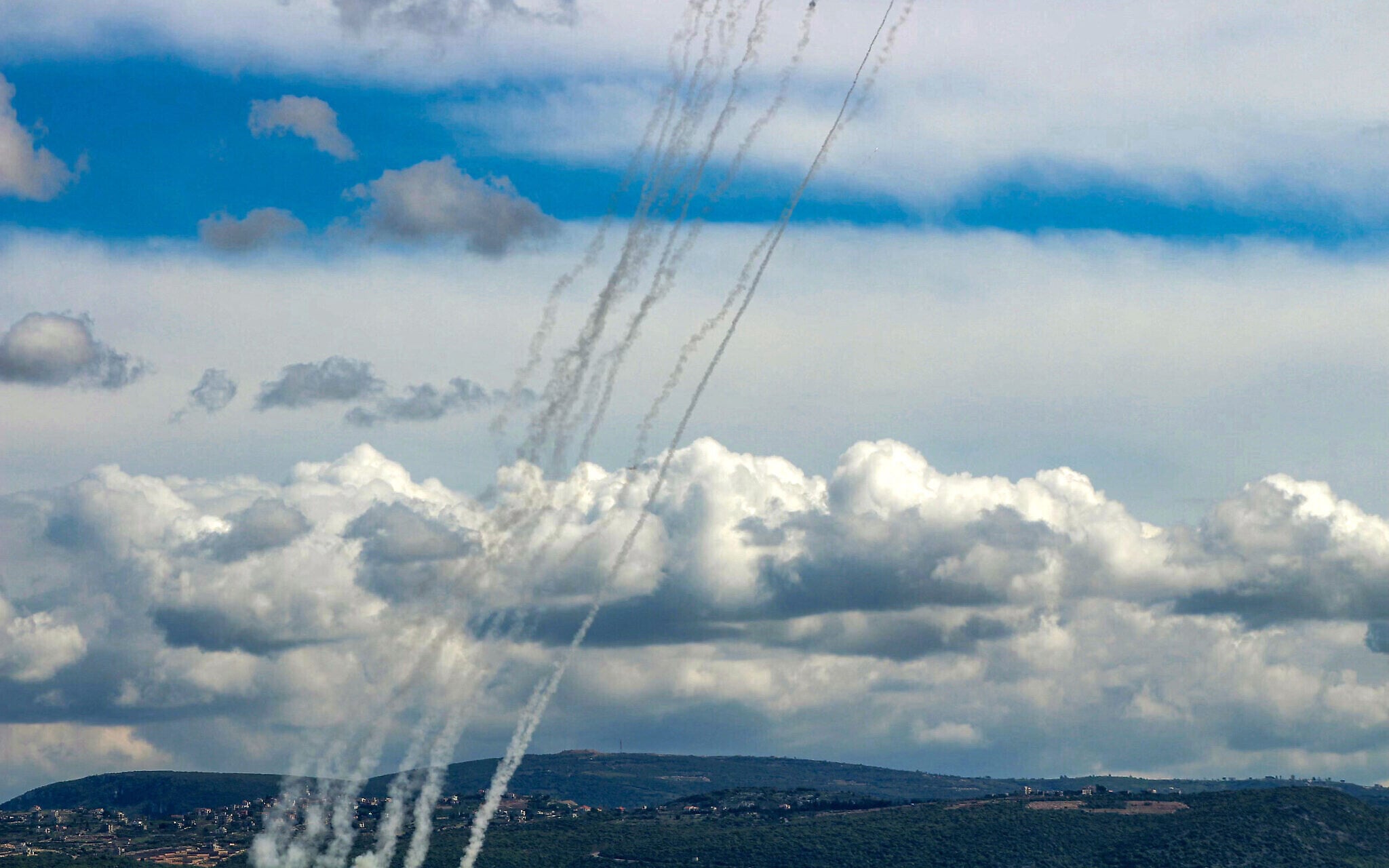
Trails of rockets launched by Hezbollah from southern Lebanon at Israel are pictured from the southern city of Tyre on March 25, 2026. (Kawnat Haju/AFP)
Negotiations have been floated between Israel and the Lebanese government to resolve the conflict, though on Wednesday, Hezbollah chief Naim Qassem reportedly called talks “an imposition of surrender.”
The same day, Foreign Minister Gideon Sa’ar called on the United Nations Security Council to formally designate Hezbollah as a terrorist organization, in a letter to the body shared by his office.
“Hezbollah has carried out more than 3,500 attacks against Israel since March 2. The attacks include the launching of rockets, missiles, and unmanned aerial vehicles toward Israel,” Sa’ar wrote in the letter.
The foreign minister called on the Security Council to condemn Hezbollah, designate it as a terrorist organization, pressure Lebanon to disarm it in line with UN resolutions, and hold Iran accountable for supporting the group.
Sa’ar stressed that “Israel will not accept violations of its sovereignty and attacks against it and its citizens and will take all necessary measures to protect them, in accordance with international law.”
He also reiterated criticism of inaction from Beirut.
“The failure of the government of Lebanon to act against Hezbollah’s military infrastructure demonstrates a lack of will and sufficient effort and inability to effectively address Hezbollah,” he wrote.
Also on Wednesday, Kuwait’s Interior Ministry said it arrested six people linked to Hezbollah who were planning “assassinations” in the Gulf state.
Those arrested were planning “assassinations targeting symbols and leaders of the state and recruited people to carry out these missions,” the ministry said in a statement.
AFP contributed to this report.
You appreciate our wartime journalism

You clearly find our careful reporting of the Iran war valuable, at a time when facts are often distorted and news coverage often lacks context.
Your support is essential to continue our work. We want to continue delivering the professional journalism you value, even as the demands on our newsroom have grown dramatically during this ongoing conflict.
So today, please consider joining our reader support group, The Times of Israel Community. For as little as $6 a month you’ll become our partners while enjoying The Times of Israel AD-FREE, as well as accessing exclusive content available only to Times of Israel Community members.
Thank you,
David Horovitz, Founding Editor of The Times of Israel