
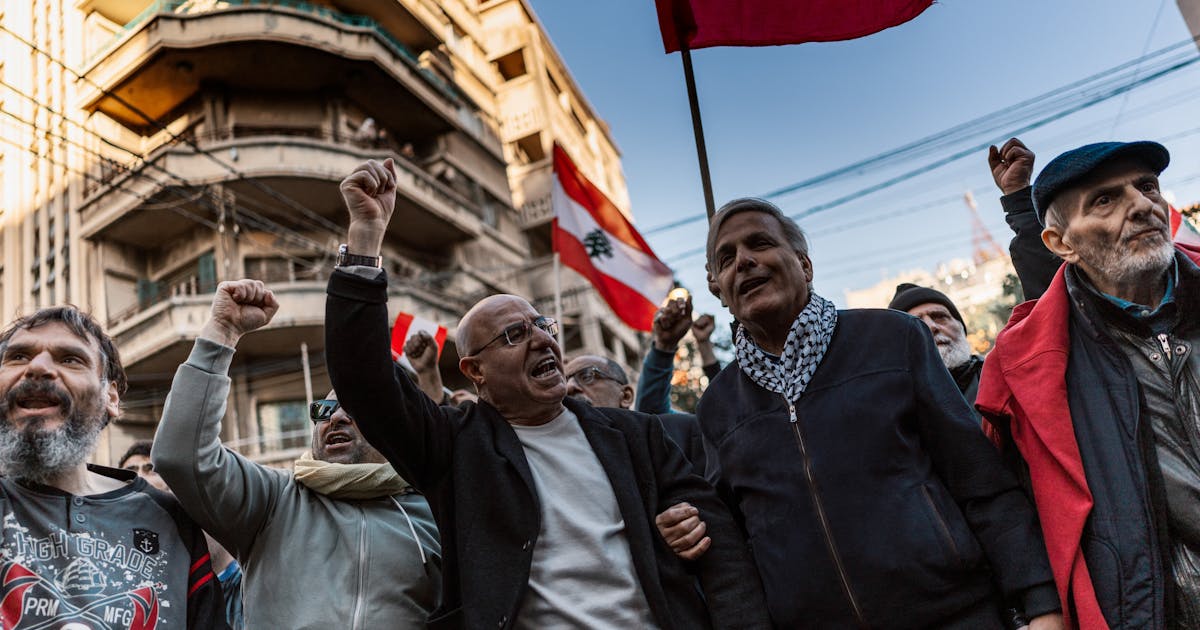
So it’s not as if this current behavior by the group was suddenly unlawful and extra-constitutional. It is, rather, that the government leaders concluded that there was suddenly an unprecedented political opportunity to speak, and hopefully act, against Hezbollah because of the outpouring of outrage against the organization for once again subjecting the country to a completely unnecessary, avoidable, and pointless war in behalf of another country, far away.
The depths of the consensus was illustrated by the fact that Cabinet members from the Amal Party, a Lebanese Shiite grouping that predates Hezbollah and maintains a close alliance with it, were authorized by its leader, Parliament Speaker Nabih Berri, to stand with the rest of the Cabinet in these unprecedented declarations. Effectively, the whole country is now divided in two camps: Hezbollah’s core members and supporters on one hand, and everybody else on the other.
I was taken aback by the depth and breadth of the outrage I heard against the group on the streets of Beirut before I left the country a week ago, after two months there. Several times, people who did not know me, or know anything about me, and did not know or care who else was listening, launched into diatribes against “the terrorists,” clearly referring to Hezbollah and spewing venom at their recklessness, stupidity, and lack of patriotism. In the past, out of concerns for self-preservation, people would’ve hesitated before expressing such opinions to strangers and in the earshot of many other strangers. But partly there was a sense that everybody thinks this, so why not say it, combined with a feeling of “Who cares?” Such talk was unimaginable in the past, and members of the Cabinet, being canny Lebanese politicians, were aware of, and counted on, this national mood before moving, at least rhetorically, against Hezbollah.