
Among other squabbles, the WTO, which operates by consensus, has seen its 166 members at odds over whether to make e-commerce and digital trade — including software, cloud services, and music and movie streaming — permanently tariff-free.
On the sidelines of the four-day showdown in Cameroon’s capital, Yaoundé, the EU and the 12-nation CPTPP bloc, which together represent nearly a third of the global economy, will hatch a plan Friday to keep the WTO on the rails.
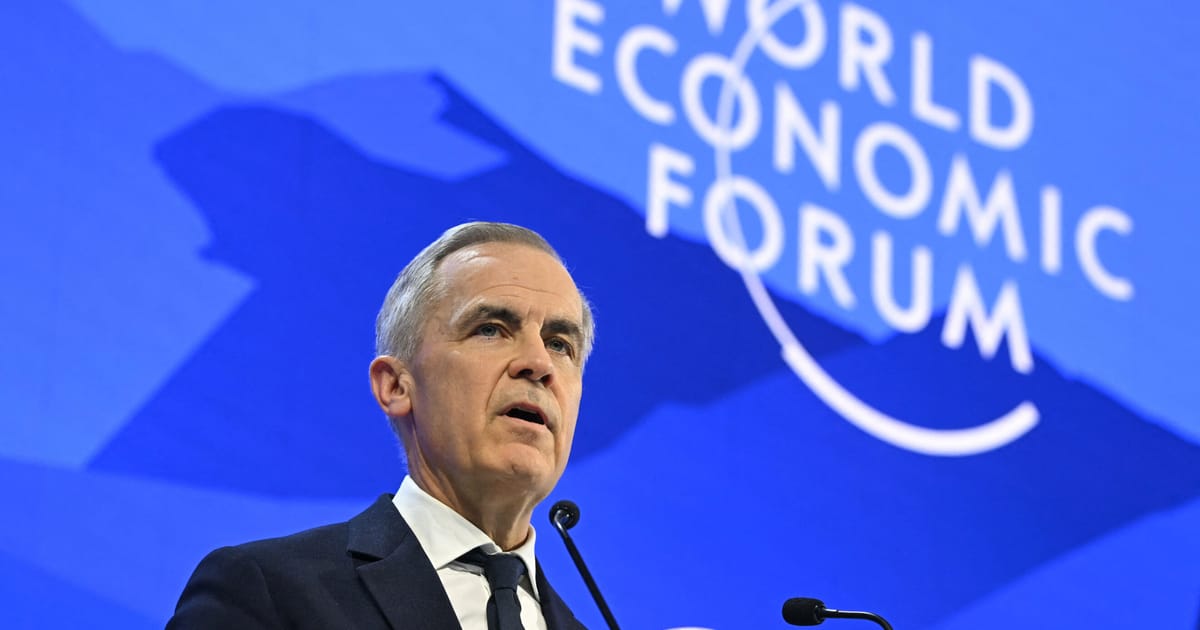
Or, if it can’t be salvaged, “build a new order” as Carney urged in his address to the World Economic Forum.
“I think Canada has added a bit of oomph into this conversation since Mark Carney’s speech,” U.K. Trade Minister Chris Bryant told POLITICO ahead of the WTO’s 14th Ministerial Conference (MC14), where he is serving as a facilitator, guiding the multilateral reform talks.
Last month, Carney offered to “broker a bridge” between the EU and the fast-growing Indo-Pacific bloc — which comprises Canada, Japan, Australia, New Zealand, Peru, Chile, Mexico, Brunei, Singapore, Vietnam, Malaysia and, most recently, the U.K. — in the form of a new anti-Trump trade pact that also aims to reform the WTO.
It’s possible the WTO “could become the organization that it really, really wants to be, which is able to make decisions and take things forward,” Bryant said.