
Israelis are a remarkably resilient people. In the face of the horrors of Oct. 7, we came together and volunteered in extraordinary ways: helping farmers harvest their crops, cooking for reservist families, guarding our communities.
That same resilience is visible in the current conflict with Iran, Operation Roaring Lion. It lives in bomb shelters where children play ping-pong and board games, in songs — playful and surreal — sung by children about Iranian attack drones, in weddings held underground so as not to delay a simcha, in babies born in underground hospitals, and in the quiet determination of parents doing everything they can to keep their children safe and steady. Israelis also have a habit of downplaying their own hardship— “I had two sirens last night, but my friend in Tel Aviv had four and no shelter, so I can’t complain.” That instinct is part of what makes us resilient.
But this time, that resilience is a heavier lift … because we are exhausted.
I have three children — 14-year-old twins and a 10-year-old. In just six years, they’ve lived through COVID, Operation Guardian of the Walls, Oct. 7 and the Swords of Iron war, the 12-day war with Iran in June 2025, and now Operation Roaring Lion. Altogether, they’ve missed roughly 140 days of school — more than a month each year — as we and other parents juggle work and child care, and two hours of Zoom learning a day proves a weak substitute for real classroom time.
So yes, we are exhausted. Sirens at 1 a.m. and again at 4 a.m., followed by explosions, make a good night’s sleep hard to come by. All the more so, of course, for the hundreds of thousands of brave IDF soldiers — pilots, intelligence officers, tank commanders and more — and their family members who lie awake at night concerned for their well-being.
And still, we endure. Because Israelis are playing the long game. A short-term mindset would demand an end to the war at any cost. But Israelis understand that braving hardship now — running to shelters, living under constant threat of missile fire — is the price of removing a far greater danger: the threat posed by the Islamic Republic of Iran, the world’s leading state sponsor of terrorism, and its proxies. We take their chants of “Death to America; Death to Israel” seriously. That is why, despite all the challenges, 93% of Israeli Jews continue to support this war.
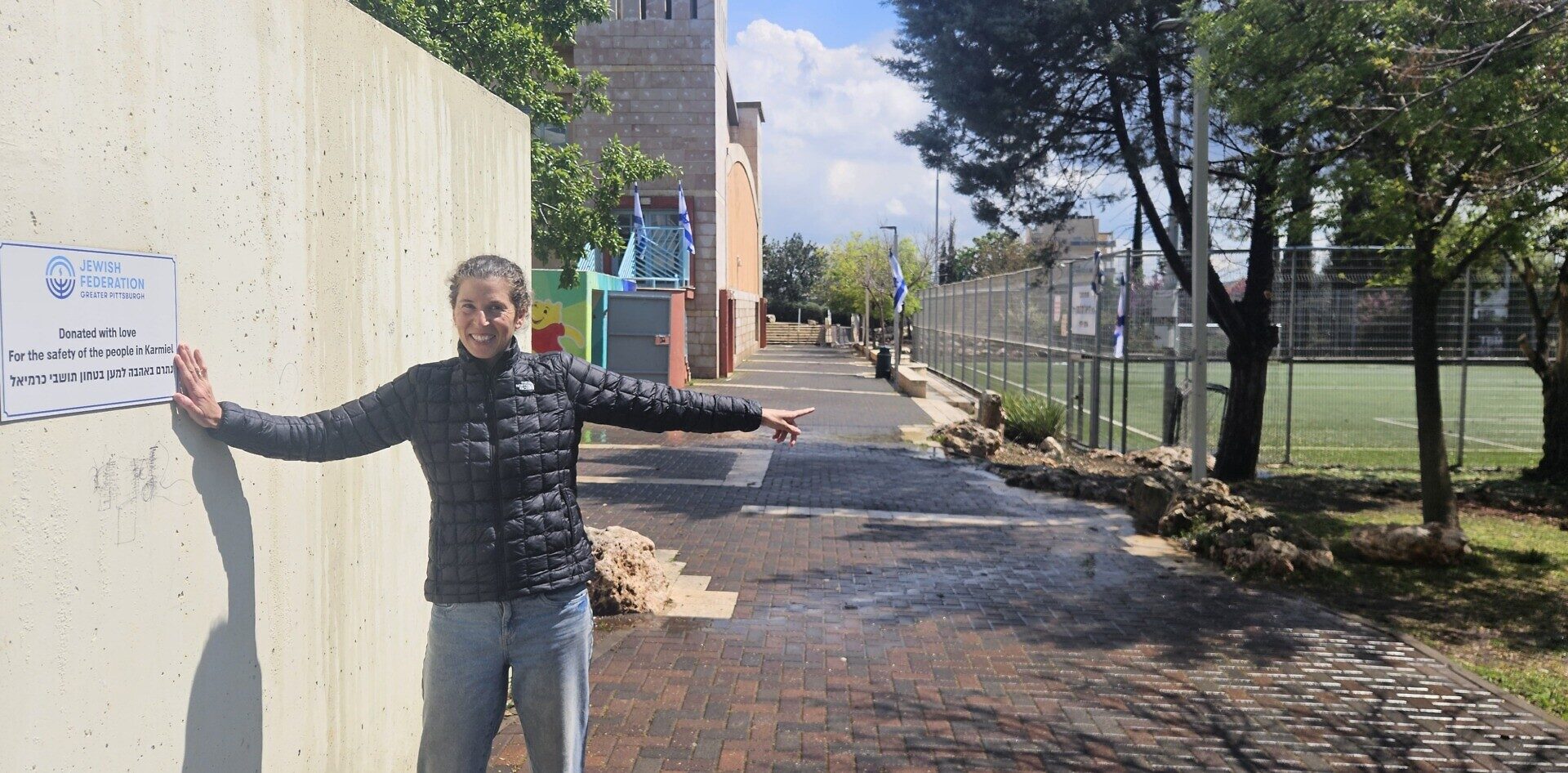
Resilience, however, doesn’t sustain itself. It must be strengthened. Since Oct. 7, the Jewish Federation of Greater Pittsburgh’s Israel emergency fund has done just that — supporting small businesses forced to close due to the war, assisting reservists’ families, helping victims of terror rebuild their lives, providing midwives for pregnant women whose partners are in the reserves, funding programs that give children and their parents moments of relief and normalcy in neighborhood bomb shelters, and placing bomb shelters throughout our Partnership2Gether region of Karmiel and Misgav.
In fact, earlier this week, two children playing soccer ran into one of those shelters when a siren sounded. Moments later, shrapnel struck nearby. That shelter saved their lives. And nearly as important, its very presence made it possible for them to be outside playing soccer at all — to experience a normal moment of childhood in an anything-but-normal time. To be resilient.
So yes, we are struggling. We are sleep deprived. We are on edge. Our homes are messy. Our anxiety is high. Our Pesach plans have been canceled. And most of all, we are worried for our loved ones.
But we are resilient — and we will get through this, and we will continue to play soccer. With the support of Jewish communities like Pittsburgh’s standing beside Israel, we will continue to be resilient, and we will emerge from all this stronger — determined to build a safer, brighter future for our children. PJC
Kim Salzman is the director of Israel and Overseas Operations at the Jewish Federation of Greater Pittsburgh.