
SEOUL – Sweltering summers in South Korea are driving surging demand for air conditioners and electricity, with the country’s electronics heavyweights pushing home upgrades by touting power-saving technology.
Samsung Electronics’ domestic home air conditioner sales grew by 50 per cent in the first quarter of 2025 ended March compared with the same period in 2024, while rival LG Electronics recorded 60 per cent higher domestic sales in the same stretch ahead of a hotter-than-expected summer.
Sales have boomed despite government estimates that 98 per cent of households in the country of 51 million people already have air conditioning, as the companies charm consumers by marketing improved cooling and energy efficiency, and AI-powered models.
“We expect the favourable trend in global air conditioner sales to continue, driven by growing demand for eco-friendly and high-efficiency products due to ongoing climate change,” Samsung told Reuters in a statement, without giving specific sales details.
LG said it expects its air conditioner business to keep growing in 2025 as customers replace old units with more efficient models.
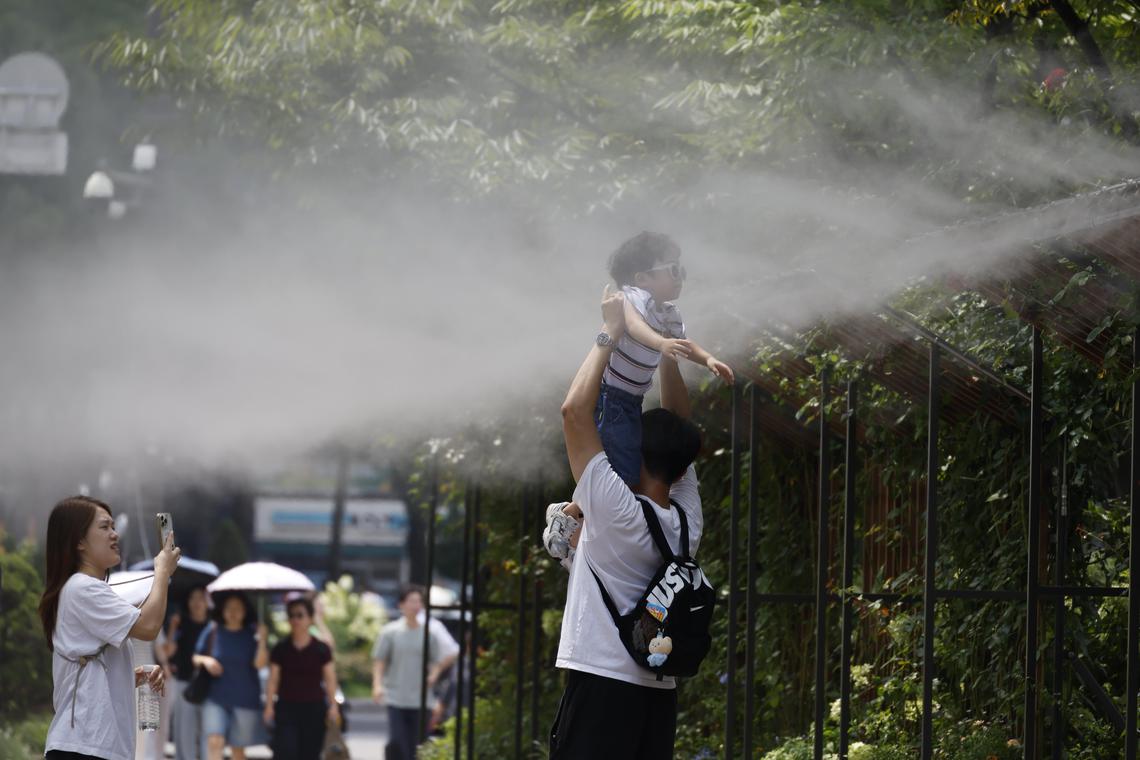
Temperatures in Seoul have hit record highs this summer, reaching 37.8 deg C in early July, before the traditional hottest month of August. Longer, stronger heatwaves are driving air conditioner sales globally and cooling is expected to account for a significant amount of the global growth in power demand over the next decade.
Global power demand for cooling systems is set to rise by around 1,200 terawatt hours by 2035, outstripping a projected 800 TWh increase in demand from data centres, according to the International Energy Agency (IEA).
The global air conditioner market is projected to grow at an average of 6.3 per cent annually through 2032 to US$257.2 billion (S$330 billion), according to Renub Research. The IEA expects 50 per cent of households to have air conditioners by 2035, compared with 36 per cent in 2022.
This year, LG operated its air conditioner production line above full capacity, while Samsung started operating at full capacity 10 days earlier than usual, according to their websites.
South Korea’s energy ministry has warned of record electricity usage straining the power grid, with peak demand potentially hitting a record 97.8 GW between 5pm and 6pm on weekdays in the second week of August, mainly from air conditioner use.
The sticky nature of air-conditioning power demand – which officials say stays high once it rises – has pushed South Korea to shore up power reserves, boost imports of coal, and put underused power plants running on the fuel on standby.
Residential air conditioning made up 16 per cent of annual power demand in South Korea last year, compared with 14 per cent before the pandemic. Government officials are also distributing energy vouchers and relaxing tariffs to aid air conditioning use among low-income groups. REUTERS
South KoreaHeatwaveElectricity and power