
Very risky for U.S. servicemembers.
Iran has well-trained military and paramilitary forces, including combat veterans who have fought in Syria, and has reportedly been preparing for any incursion by foreign troops. It almost certainly has the capability to engage invading U.S. forces in a number of ways that risk high numbers of casualties.
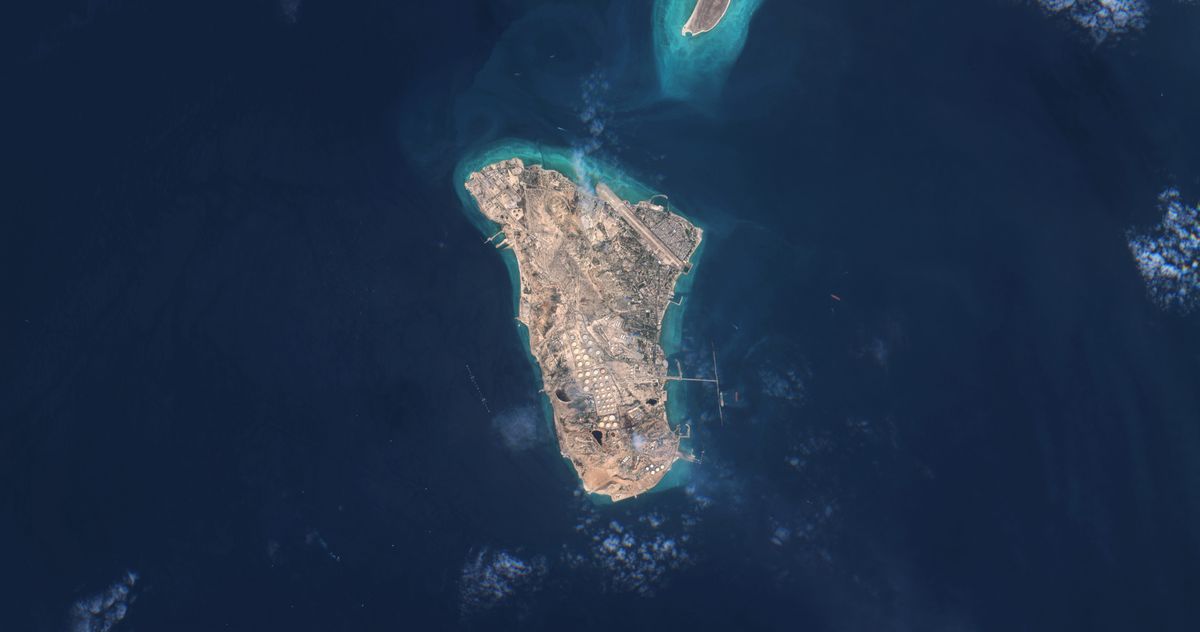
For instance, CNN reports that Iran has been building up its defenses on Kharg Island:
The island has layered defenses, and the Iranians have moved additional shoulder-fired, surface-to-air guided missile systems known as MANPADs there in recent weeks, the sources said. Iran has also been laying traps including anti-personnel and anti-armor mines around the island, the sources said, including on the shoreline where US troops could possibly stage an amphibious landing if President Donald Trump moved forward with a ground operation.
Even if they were only briefly on the ground, U.S. forces would be subject to short-range Iranian missile and drone attacks as well as possible attacks by loitering munitions. It would also be risky to resupply any forces attempting to hold islands if U.S. naval ships remain subject to Iranian drone attacks and if Iran targets potential runways with ballistic missiles.
The other risk would be further escalation of the war itself. Rather than presenting an off-ramp, sending in ground troops would likely extend and expand the war, drive up its many costs, and prompt additional complications. Any invasion would not just provoke Iran to defend against the invading troops themselves but also to retaliate against various targets throughout the region, which could exacerbate the global energy crisis, draw additional countries into direct conflict, and more.