
It’s hard to believe that this war is going to end anytime soon. It’s hard to accept that Pesach will likely be celebrated with limited ability to venture far from our safe rooms.
It’s hard to believe that it’s late March in Israel, and the rain hasn’t stopped. It’s hard to accept that our regular pre-Pesach trip to the beach won’t be happening this year – for more reasons than one.
It’s hard to believe that, once again, thousands of soldiers have headed north to Lebanon and won’t be with their families for the chag. It’s hard to accept that this morning’s news opened with the devastating report of a soldier’s death.
Sometimes, it’s just simply hard to believe.
As I was typing this, my 13-year-old daughter came down from cleaning her room, holding a pile of masks from the COVID era.
“Ema,” she said, “It’s hard to believe that we once wore these every day. Can you believe I wore this pink one for an entire 12-hour flight? How did we do that?”
She then proceeded to tell me that part of her wants to throw them out, but part of her wants to save them, to show her children and grandchildren someday. Otherwise, she said, they might not believe it.
It is hard to believe that the pandemic happened. It is still hard to believe that it is over.
And yet, sometimes the things we struggle to believe will happen – actually do.
At the end of our seder each year, in my childhood home in New York, we would open the door for Eliyahu Hanavi and huddle together to sing Mordechai Ben David’s “Someday We Will All Be Together,” followed by a medley of songs longing for life in Israel. Those songs were our hope, our dream, our wish, our prayer.
It was hard to believe it could ever be our reality. And then, somehow, it was.
One sister made aliya, and then another. Then we came. In 2020, my parents joined us. A year later, my youngest sister and her family arrived. This year will mark our fifth Pesach all together, here in Israel.
“Someday” is suddenly today.
Two years ago, we had an empty chair at our seder, with a poster of Sagui Dekel-Chen. The municipality of Gush Etzion had distributed pictures of hostages, with the instruction to hang them “with the hope that our prayers will be answered quickly.” Having met and connected with Sagui’s brother Itai months earlier, Sagui was never far from our thoughts or prayers.
After opening the door for Eliyahu Hanavi, my kids spontaneously lifted the poster from the chair and began dancing with it, singing “the captives of God will return and come to Tzion with joy.” I couldn’t stop crying. I knew why.
I was afraid to believe.
And then it happened.
Sagui came home in February 2025, to his loving wife and daughters. But his poster which we had hung over our living room banister remained. It stayed through the year. It was there with us at last year’s seder. I just couldn’t bear to take it down while hostages were still being held in Gaza. “Maybe by next Pesach,” I thought, “they will all be home.”
It was hard to believe there would be a day when every hostage returned. A day when we would remove our yellow ribbon pins and begin the next stage of mourning – and healing.
In the opening essay at the back of his Haggadah, Rabbi Jonathan Sachs writes:
“As we sit around the seder table of Pesach, rehearsing the journey from the bread of oppression to the wine of freedom, we commit ourselves to a momentous proposition: that history has meaning. We are not condemned endlessly to repeat the tragedies of the past… Pesach is the festival of faith.”
Pesach is the festival of faith.
“Faith,” says Rabbi Sachs, “is the courage to live with uncertainty. Faith is knowing that the future is radically unpredictable, but that it can be faced without fear because we are not alone. God and His word are with us.”
These days feel heavy. It’s dark outside, and I still find it hard to believe.
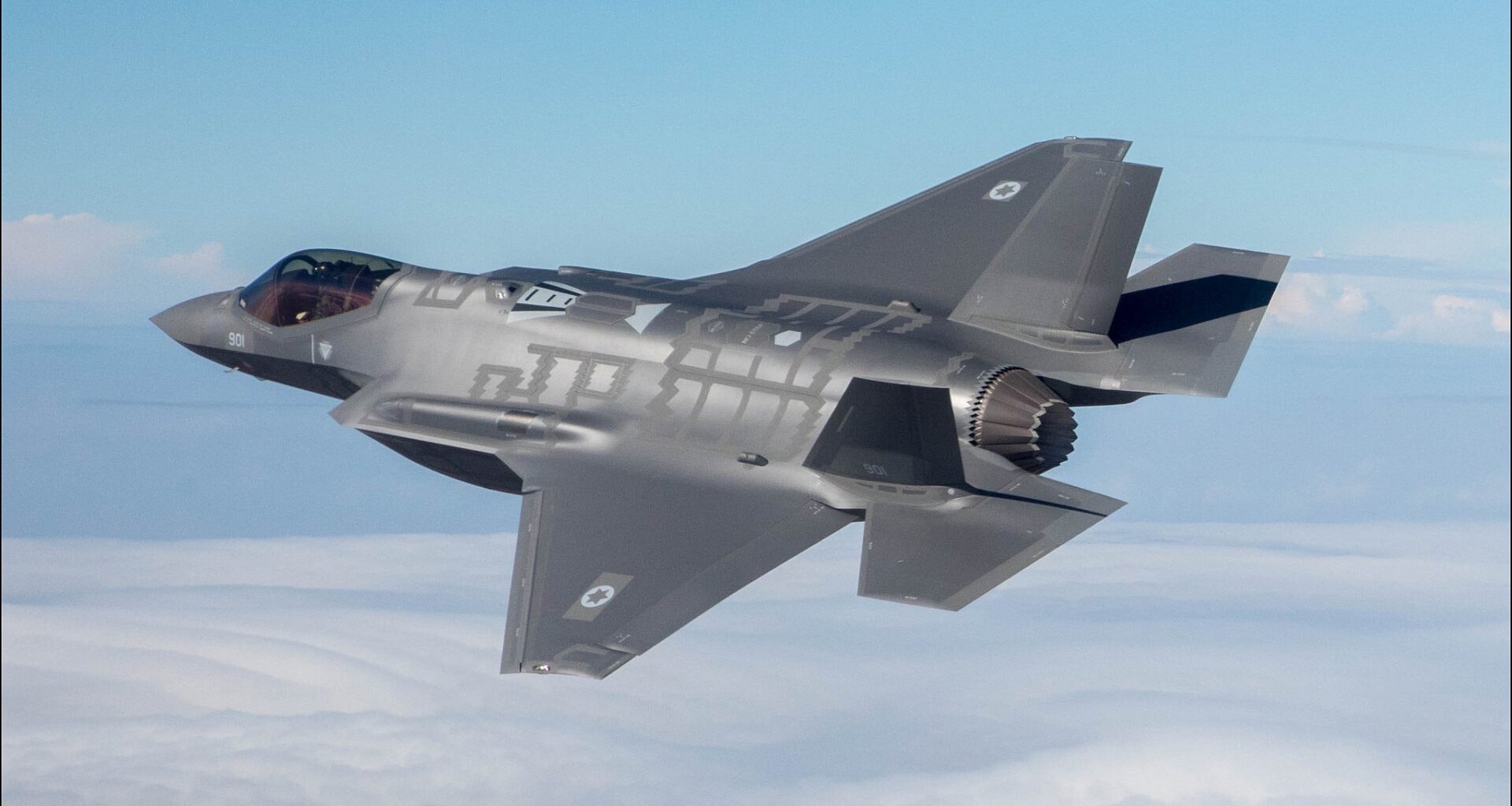
But then I look around and remember: Here I am, preparing for Pesach (or at least trying to) in my home not far from Jerusalem, raising Israeli children in a sovereign Jewish state, pouting at the clouds in the sky while our air force flies high above them and our soldiers fight on our behalf.
My great-grandparents could never have believed it. And yet here we are – living the unbelievable.
Which makes it just a little easier to believe.
Shayna Goldberg (née Lerner) teaches Israeli and American post-high school students and serves as mashgicha ruchanit in the Stella K. Abraham Beit Midrash for Women in Migdal Oz, an affiliate of Yeshivat Har Etzion. She is a yoetzet halacha, a contributing editor for Deracheha: Womenandmitzvot.org, a co-host of the podcast “Women Talking Mitzvot” and the author of the book: “What Do You Really Want? Trust and Fear in Decision Making at Life’s Crossroads and in Everyday Living” (Maggid, 2021). Prior to making aliya in 2011, she worked as a yoetzet halacha for several New Jersey synagogues and taught at Ma’ayanot Yeshiva High School in Teaneck. She lives in Alon Shevut, Israel, with her husband, Judah, and their five children.