
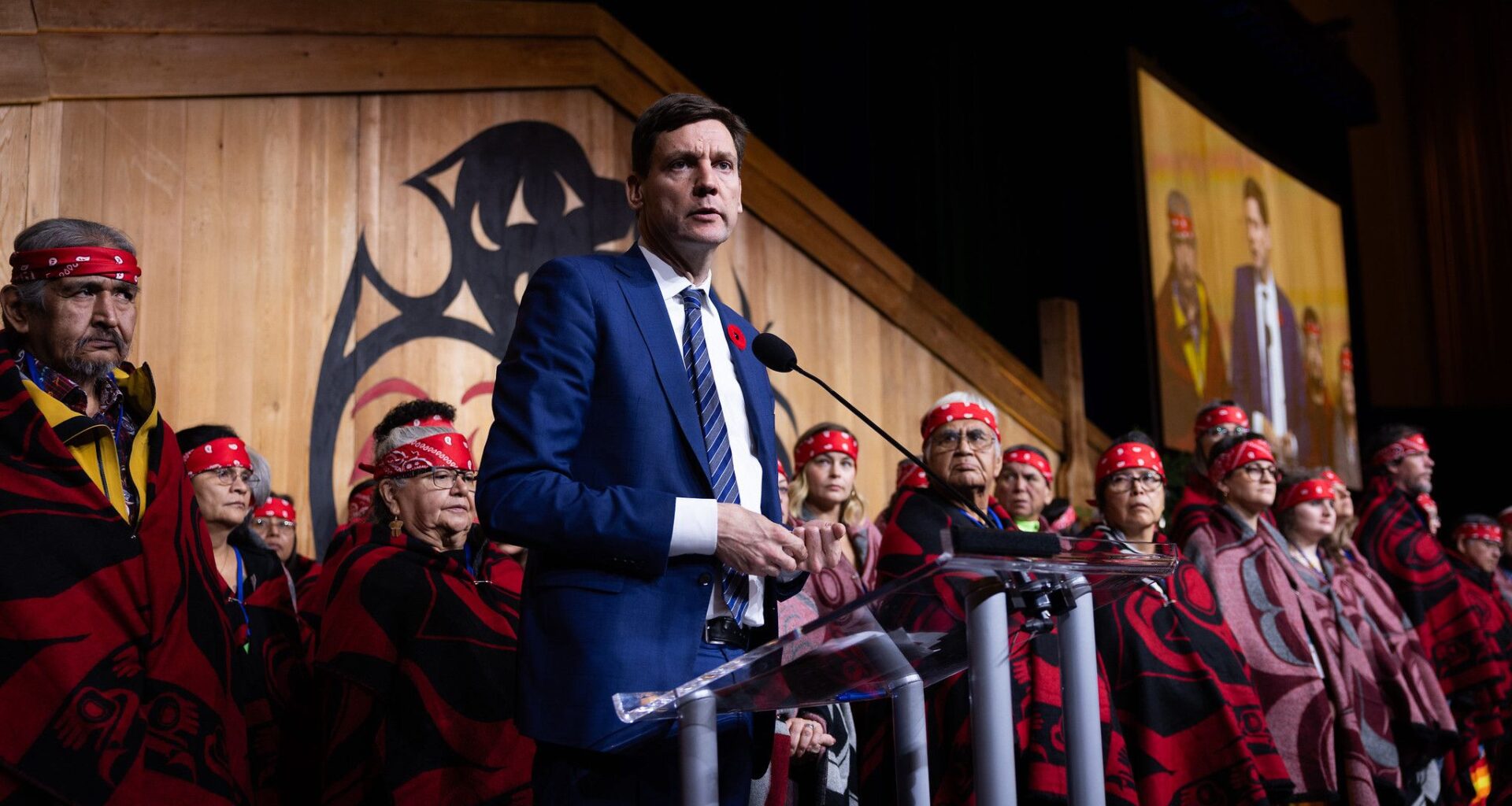
The BC NDP-led provincial government is planning key changes to its proposed amendments to the Heritage Conservation Act (HCA), after pausing the process in January 2026 amid widespread criticism over its implications — specifically how it would further expand decision-making by First Nations, as opposed to provincial authority.
The law was first created in 1977 to protect heritage sites on both Crown and private lands, regardless of whether sites were known or as-yet unrecorded.
As of 2025, the provincial heritage register had over 64,000 protected heritage sites, with 90 per cent of these sites being of First Nations origin. Such sites with automatic protection predate 1846.
Currently, the HCA can delay or halt development or alterations to land if heritage sites are discovered, and special permits are required before projects can proceed.
The intent of the amendments is to simplify and streamline the process, but critics assert this would only add additional layers of red tape, remove public interest considerations, and weaken provincial authority over such matters. Regional and municipal governments, businesses, industry, and property owners argued it creates uncertainty and a lengthy permitting process that can delay housing construction, infrastructure projects, and post-disaster rebuilding — driving up costs and, in some cases, even reducing land values.
Furthermore, from the outset, when the process of making the amendments first began in 2021, it was noted that the HCA changes would align with the provincial government’s 2019 adoption of the Declaration on the Rights of Indigenous Peoples Act (DRIPA), which is based on the United Nations Declaration on the Rights of Indigenous Peoples (UNDRIP).
After pausing the process early this year to perform more consultation, a new technical policy paper released earlier this month notes the provincial government has now decided not to give First Nations direct enforcement powers and expanded shared decision-making under the law, citing questions about how that would work in practice.
As well, several other proposed changes have been revised or dropped altogether. The provincial government will no longer include the term “intangible heritage” in the law because it was too unclear and would create confusion. Plans to introduce special heritage management zones have also been scrapped due to concerns about data accuracy and how they would be applied. Together, these reversals could narrow the scope of what is considered worth protecting.
In addition, new wording about “consent-seeking” in permit decisions has been removed to avoid misunderstandings, and applicants will not be required to submit formal records of their engagement with First Nations, although doing so will still be encouraged.
Another key part of the proposal focuses on helping communities recover more quickly after emergencies like natural disasters, such as wildfires and floods. The provincial government is looking at ways to allow faster repairs and rebuilding in urgent situations, including temporary exemptions from permit requirements and special emergency permits, while still making sure heritage sites are considered.
To avoid unexpected delays during development, the changes would also require earlier checks to see if a site may have heritage value before building begins. The goal is to give developers and property owners more certainty upfront while continuing to protect important cultural sites. Existing protections for key heritage areas would remain in place, but with clearer rules to make them easier to understand and apply.
The baseline year of pre-1846 would be retained for automatic site protections.
Prior to the pause earlier this year, the provincial government had intended to make the HCA amendments in Spring 2026, but that timeline is no longer being followed. The proposed changes to the amendments have yet to be finalized.
All of this has unfolded against a backdrop of escalating concern that the BC NDP-led provincial government’s approach to reconciliation — based on the application of DRIPA, and its interpretation of UDRIP — has gone too far, based on recent surveys gauging sentiment and growing media commentary.
Public criticism has intensified over what some see as a highly secretive, undemocratic, and deferential posture toward First Nations on all aspects of governance, economic issues, and land ownership, including the government’s handling of public and private property rights in court — most notably in the Cowichan Tribes’ Aboriginal title claim involving land in Richmond.
Premier David Eby is also planning to make some amendments to DRIPA to address concerns that it overrides the provincial government’s authority over how all laws are applied and interpreted in B.C.