
The near-total blockade of international shipping in the vital waterway – through which around 20% of the world’s oil and natural gas flows – has led governments around the world to begin implementing measures to conserve fuel.
Australia’s Prime Minister Anthony Albanese sought to reassure motorists on Friday following reports of panic-buying and petrol stations running dry.
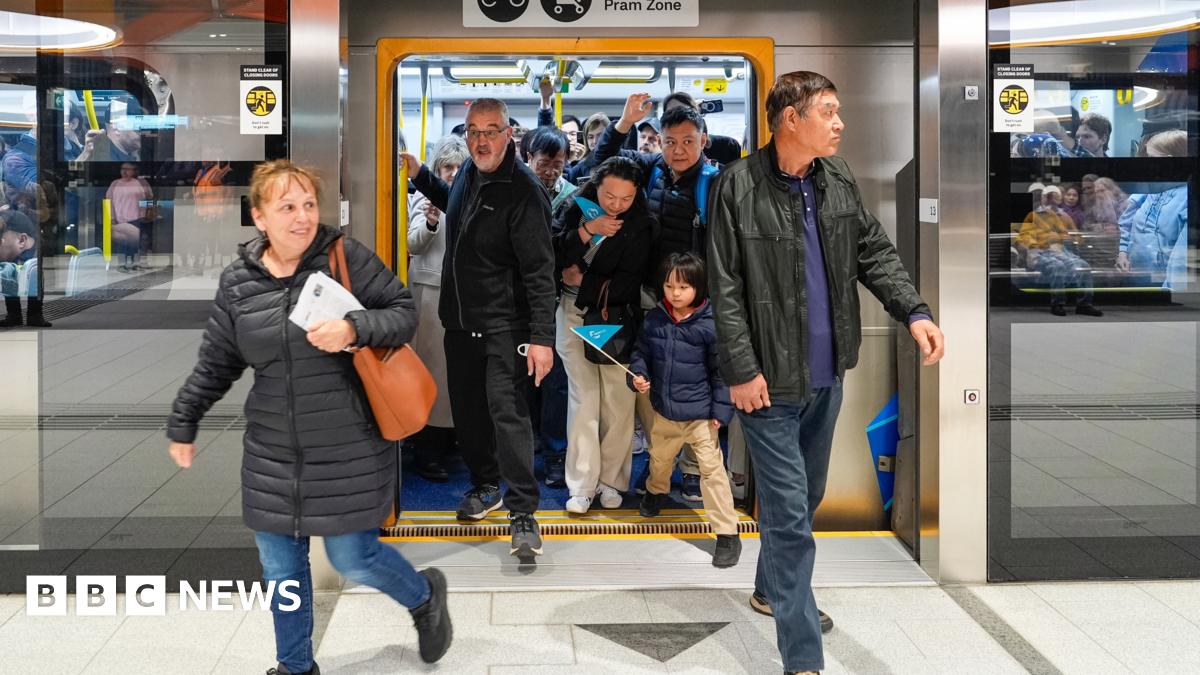
Victoria Premier Jacinta Allan announced on Saturday that trains, trams and buses in the state would be free for all from Tuesday in a bid to drive down pressure on petrol pumps.
“This won’t solve every problem, but it’s an immediate step to help Victorians right now,” she said.
Meanwhile, the government of Tasmania – an island off the Australian mainland – announced people would be able to take its coaches, buses and ferries without charge for the coming few months.
“We know the rising cost of fuel is impacting the family budget, and that’s why we have again taken strong and decisive action to protect Tasmanians,” its Premier Jeremy Rockliff said.
Tasmania’s transport minister also noted that paid-for school buses would be made free, saving those who use them A$20 (£10.40) a week.
But other Australian states have demurred from similar actions.
NSW transport minister John Graham told broadcasters his state was keeping its “powder dry” as “this situation will last more than a month”.
South Australia said it was expanding the number of senior travel cards while absorbing higher fuel costs, and a spokesperson for Queensland pointed to it introducing a flat 50-cent fare last February in comments to SBS News.
Similarly, Western Australia Premier Roger Cook said his state had already reduced fares. “Rick Astley was top of the charts when fares were this low in Western Australia back in the 80s,” he said.