
Tricia Monro places two thick folders on the table with pages of psychiatric evaluations, timelines and dozens of emails asking for help for her son. For years she had been trying to catch him as he fell through the cracks of the mental health system.
She had been warned not to be alone with him, but relented when he asked to have a bath at her house in Hampshire in February last year. What she did not know was that he had just fatally stabbed her ex-husband, Peter, 73.
She said she still “cannot believe” how the tragedy has torn her family apart. “I don’t for a moment excuse what he has done, and I accept that he has to be punished,” she said, adding: “It’s a very lonely place being the parent of a child whose mental health has been deteriorating.”
In December Christopher “Kit” Monro, 30, of Oxford, was sentenced to life in prison with a minimum 12-year term for the murder of his father.
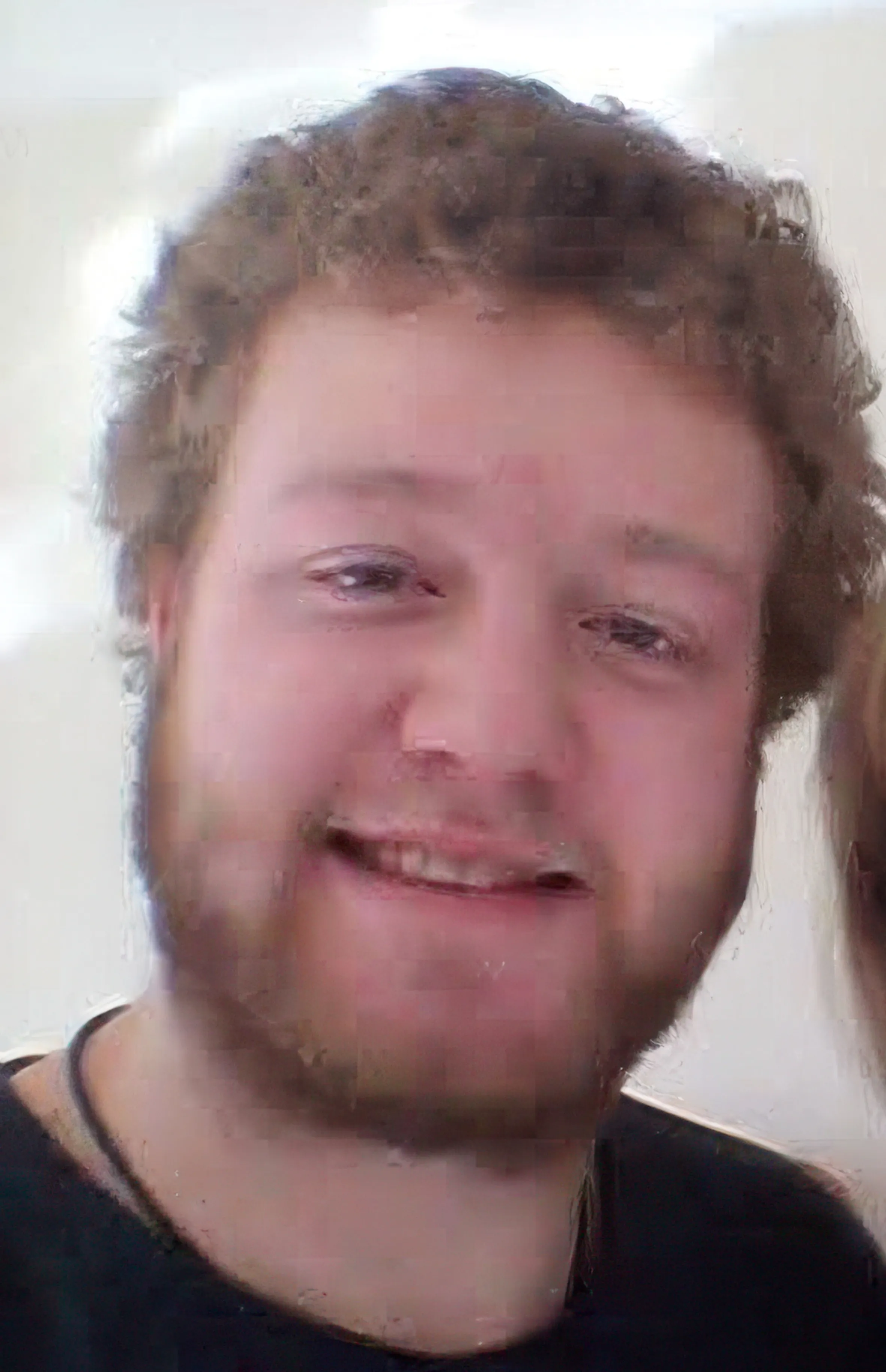 Christopher Monro was let down by the system, his family sayTimes photographer RICHARD POHLE
The family believe it could have been prevented if NHS Oxford mental health services and other authorities had better heeded their pleas for help. Instead, his mother says she was left in the dark about issues concerning her own safety and felt failed by those in charge of his care.
Their intervention comes as a public inquiry into the Nottingham attacks in 2023 by Valdo Calocane continues to expose severe failings in the care of dangerous psychiatric patients.
A ‘friendly and affectionate’ child
Monro, who had aspired to a career in sports nutrition, was once a “mischievous, friendly and affectionate” child, his mother said.
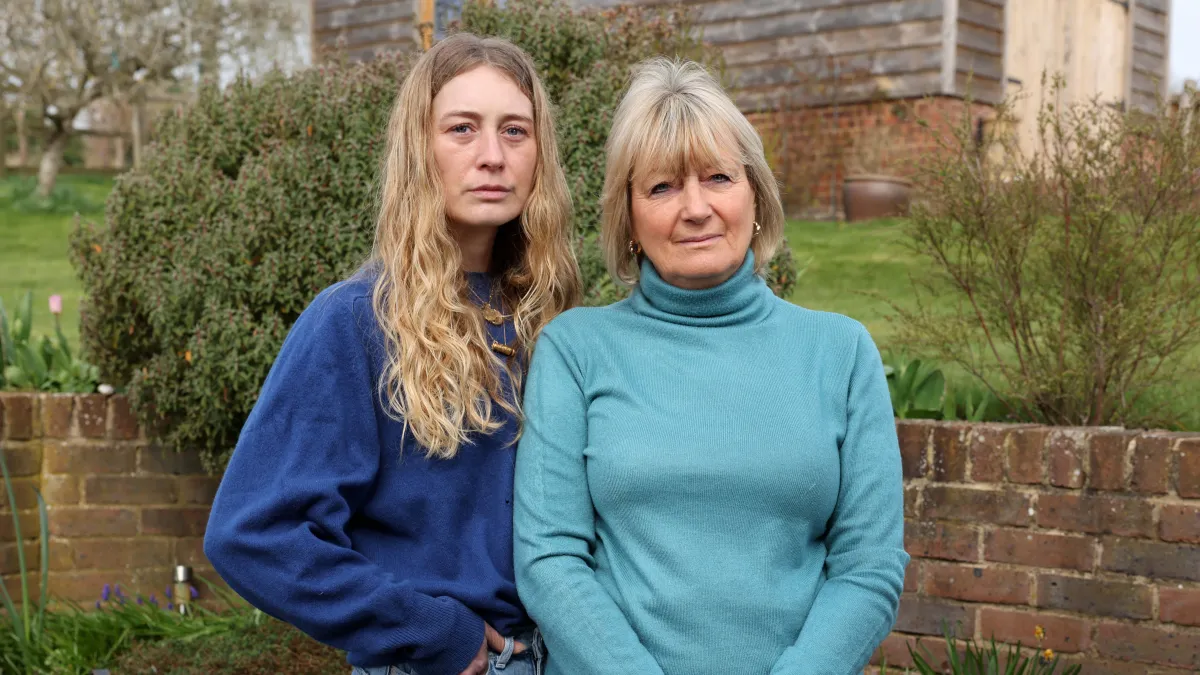
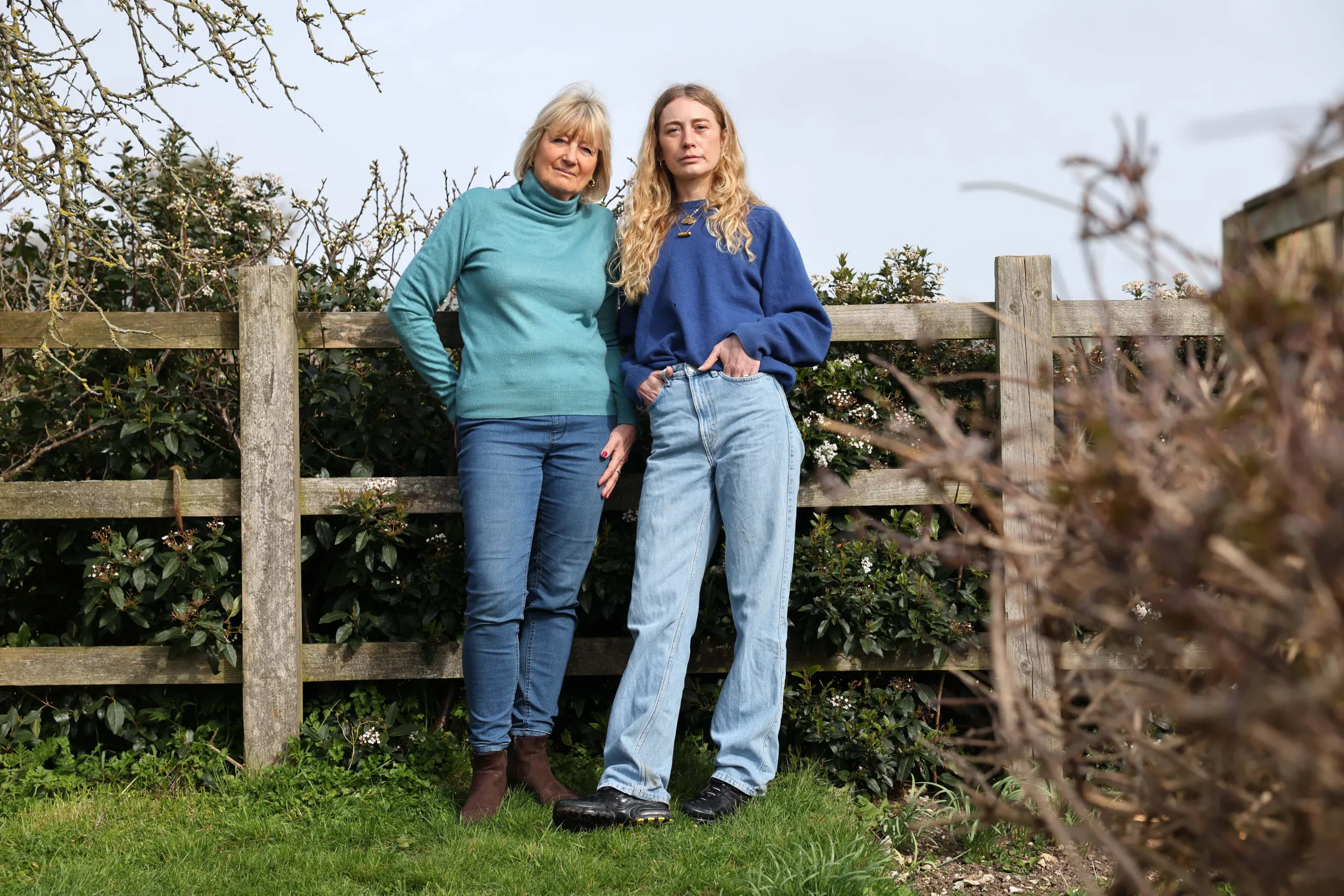 Tricia and Lara Times photographer RICHARD POHLE
In a piece of childhood writing, he noted: “I loved school, my house with my family and being in the city, where there was always something going on. But then things changed.”
The turning point appeared to be a summer road trip at the end of prep school, when he described having an “outer body experience” that he would cite as a pivotal moment.
He sought help from a GP for depression when he was 17-years-old. After his first suicide attempt, he was admitted to a hospital in Surrey, 70 miles away, after no local beds were available.
Over the following years, his condition deteriorated as he battled alcoholism and was handed a rotating list of medications and diagnoses, including severe depression, PTSD, schizophrenia and affective disorders.
Daily Briefing newsletter
Get our top stories and exclusive analysis sent straight to your inbox every morning.
Sign up with one click
By 2021, after stints in various mental health facilities and a possible psychosis diagnosis, the Oxford trust informed the family that their support, including one-to-one talking therapy, was “limited”.
Monro was admitted to a private psychiatric hospital in 2023, only to discharge himself after nine days. He was prescribed anti-psychotic medication, given a single check-in call by the Oxford team and formally discharged. Left without adequate support, he soon overdosed and was placed with Oxford’s crisis team.
Four years later, in what his sister Lara calls “a tragic twist of fate”, Monro travelled to stay with his father in Bath to avoid staying home by himself while his mother was away.
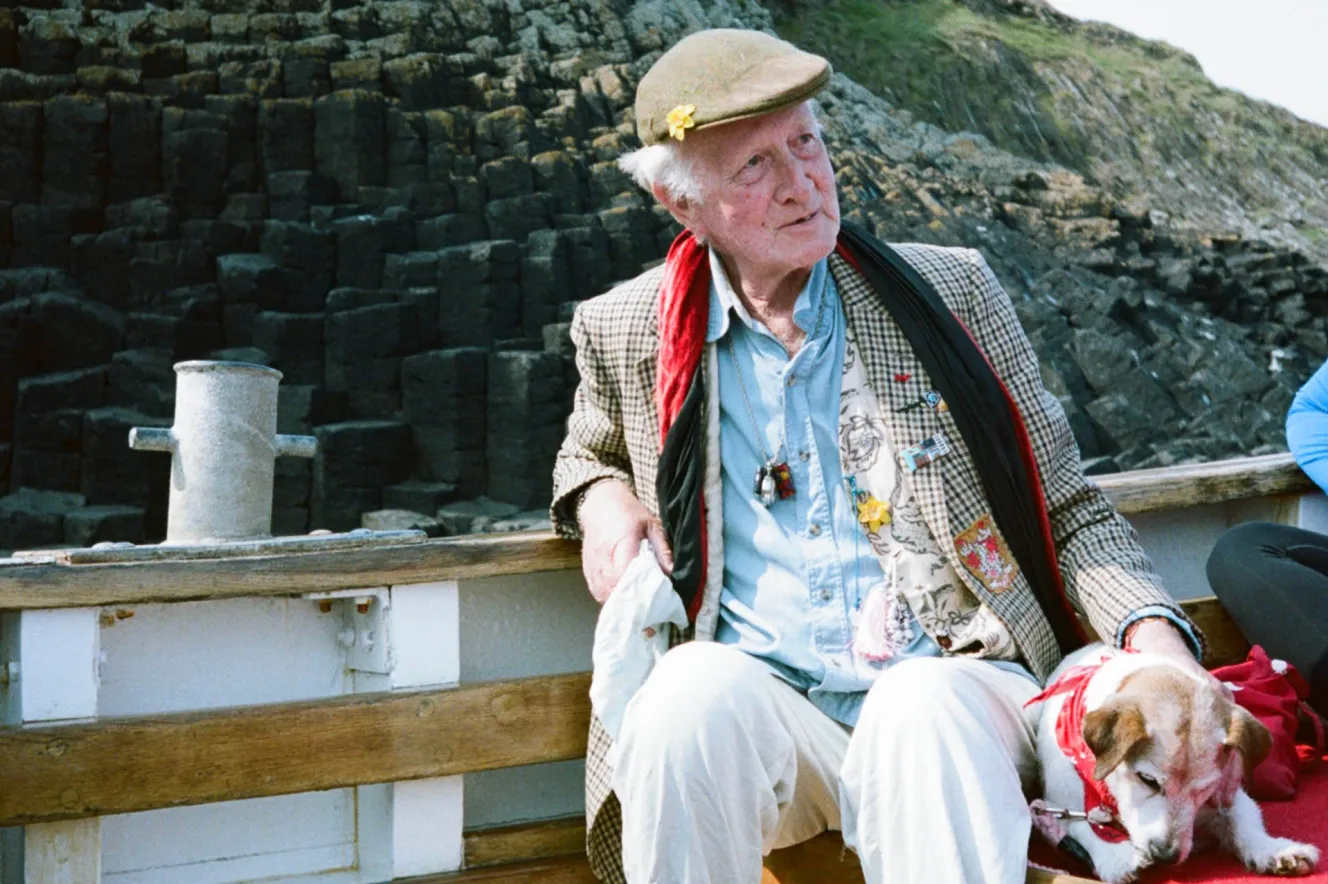 Peter Monro, who had worked in finance, was “fascinating and widely read”Times photographer RICHARD POHLE
The relationship between father and son had always been fraught. Medical assessments as far back as 2018 noted Monro’s fixation, stating he “kept coming back to his father, even when it was not relevant”. His mother acknowledged that her ex-husband, who was “fascinating and widely read”, also suffered from mental health issues and had been “very critical” of their son from a young age.
On February 11 2025, emergency services were called to Peter’s home by a carer who found him stabbed in his bedroom.
Monro later said the killing happened during an “out of body experience”, the second he had described having in his life. Monro, who was “constantly asking to have a bath” to avoid his living conditions, told his mother he killed his father after he refused to let him have one to save hot water.
‘A series of red flags’
In October 2024, four months before the murder, a support worker saw a knife fall out of Monro’s bag and reported it to police, who confiscated several knives and a BB gun from his property. Yet a Prevent referral was not taken up because there was no evidence of radicalisation and Monro’s risk assessment was not upgraded. The Home Office declined to comment.
Two months later, Monro assaulted his mother, pushing her against a fence. Oxfordshire county council flagged her as being at risk of abuse, though she doesn’t recall being notified.
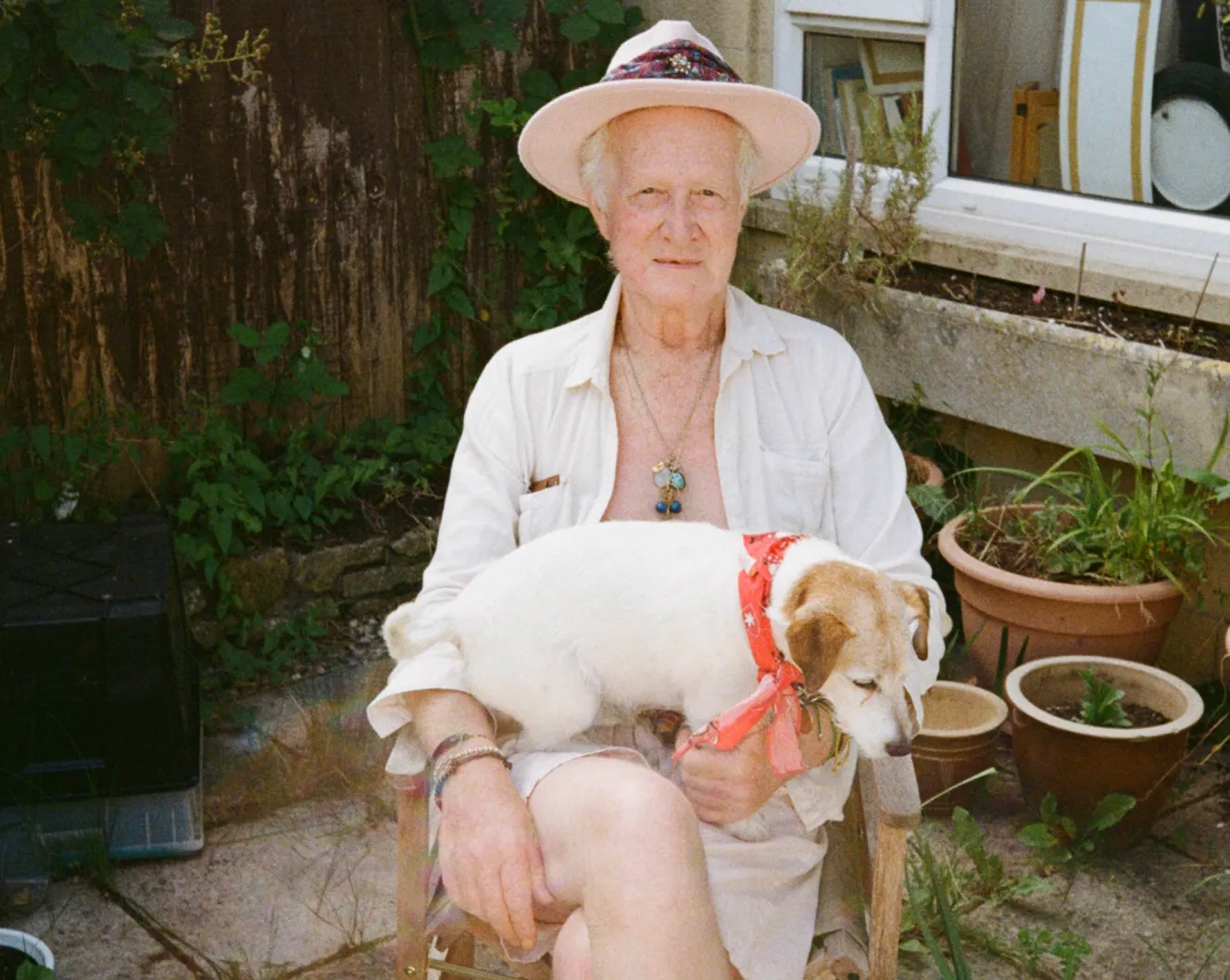 Monro was killed at his home in BathTimes photographer RICHARD POHLE
Instead, a report commissioned after the murder depicts Monro’s mother as “reluctant” to become involved in her son’s care. She is appalled by that characterisation, detailing her repeated attempts to warn the NHS about Monro’s mental state. “I was anxious, and a lot of times uncomfortable, but I stepped in because there was no one else,” she said.
Lara described attempts to blame her mother, 70, who works for a charity, as “diabolical”. She said: “There was a series of red flags raised in the lead-up to this tragedy. My brother was let down by those whose job it was to support him.”
Unnecessary deaths
In an internal report seen by The Times, Oxford Health NHS Trust admitted that it had missed sharing vital family history with practitioners, failed to intervene at key points and had staff shortages, which led to Monro losing his support worker.
The trust said: “Our thoughts remain with everyone affected by this tragic case. We have completed a detailed patient safety incident review, to which the patient and his family contributed, and we are grateful for their engagement.”
In his sentencing remarks at Bristol crown court, Judge Julian Lambert said Monro was “deeply disturbed” and questioned why his case had not been further escalated. “Considering the matter with hindsight, institutional care would seem to have been far better for you,” he said.
The attorney-general’s office has referred Monro’s sentence to the Court of Appeal, describing it as appearing to be “unduly lenient”. Thames Valley police said the killing was the subject of a domestic abuse-related death review.
Last year The Times disclosed data that showed there were 115 fewer homicides by mental health patients recorded in official statistics compared with information released under the Freedom of Information Act over the past four years.
Julian Hendy, who founded the charity Hundred Families after his father was killed by a mental health patient, said: “The same mistakes keep occurring and more people are losing their lives unnecessarily.”
Lara, 33, an arts consultant, said: “I want to use the story of my father’s passing as a painfully transparent example of how our mental health services often fall short in meeting the needs of individuals such as my brother.”