
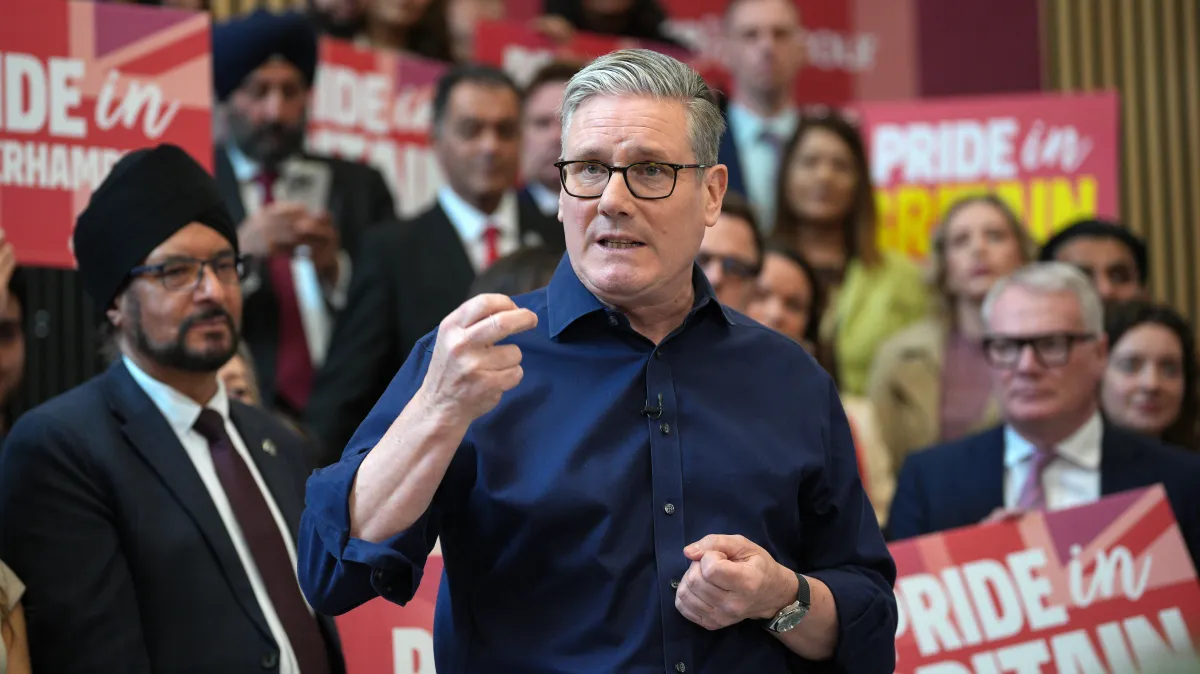
Sir Keir Starmer has accused junior doctors of “recklessly” walking away from a pay deal under which some would have earned more than £100,000 a year.
The British Medical Association is staging a six-day strike from April 7 to April 13, falling just after the Easter bank holiday weekend, in pursuit of “full pay restoration” to 2008 levels, the equivalent of a 26 per cent pay rise. The union has said that inflation caused by the Iran war meant they needed the rise.
Starmer has given them 48 hours to call off the strikes before ministers withdraw an offer of thousands more NHS jobs.
Last week the BMA rejected an offer that would have given doctors a pay rise of up to 7.1 per cent for this year, without putting it to members for a vote.
Wes Streeting, the health secretary, said the deal meant that “for the most experienced resident doctors, basic pay would have increased to £77,348 and average earnings would have exceeded £100,000”. First-year doctors fresh out of medical school would earn on average £52,000 a year, £12,000 more than three years ago.
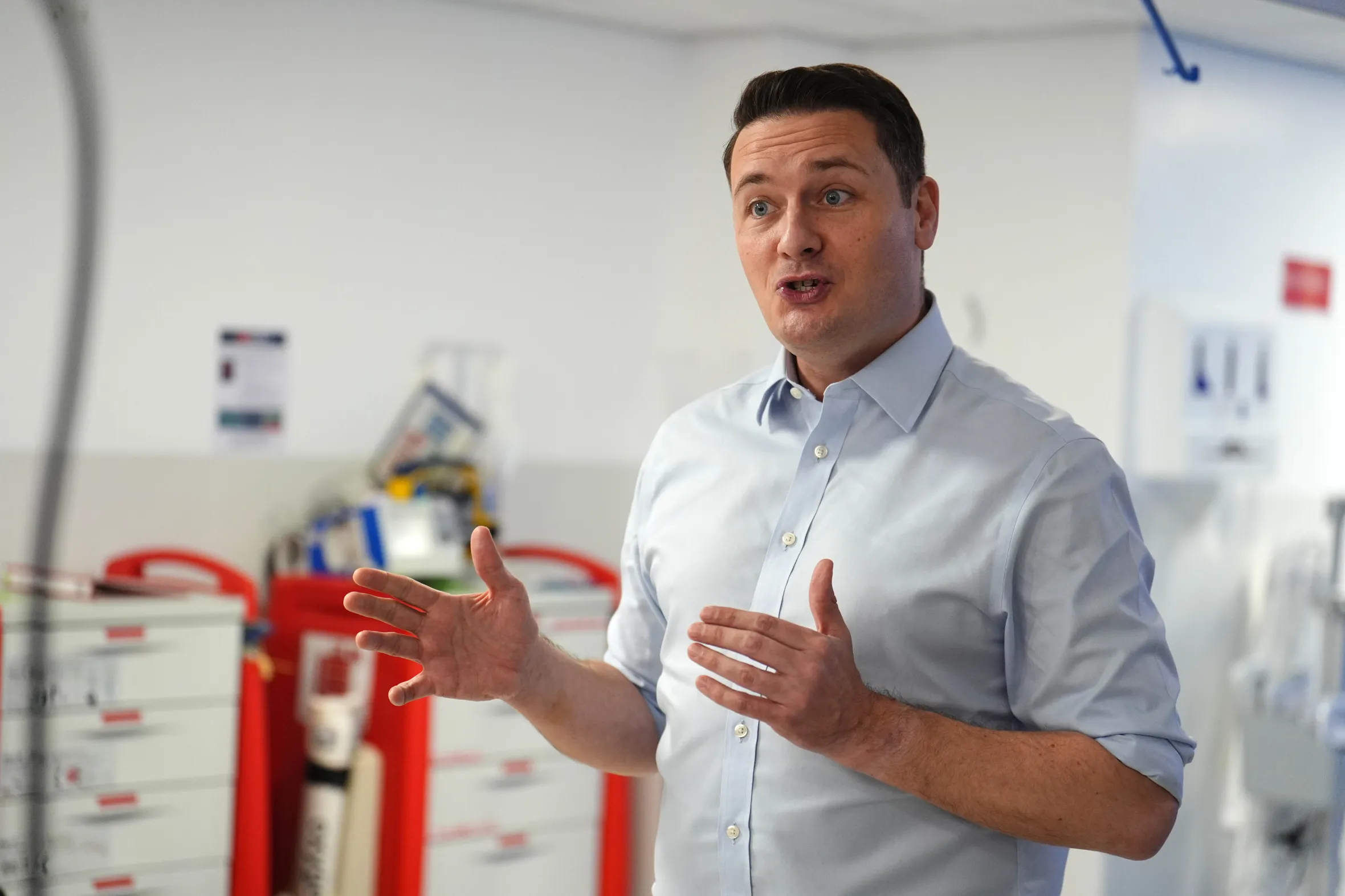 Wes Streeting martin rickett/pa
Resident doctors, formerly known as junior doctors, have received the highest pay rise of all public sector workers for two years in a row. The proposed deal would have taken their total pay rise over the past three years to 35 per cent.
Resident doctors in the final stages of specialty training, who currently earn £73,992 in basic pay, would have their salaries increased to £77,348. As doctors also earn on average an extra £20,500 a year for overtime, weekends and nightshifts, the highest earners could take home more than £100,000 a year.
Writing in The Times, Starmer admitted that fresh strikes would damage the NHS and urged the BMA to formally consult their members on the government’s offer — something the union has so far failed to do.
“Walking away from this deal is the wrong decision. It is a reckless decision. And doing so without even giving resident doctors themselves the chance to vote on it makes it even worse,” he writes.
“No one benefits from rejecting this deal. Resident doctors will be worse off. Instead of the improved pay, progression and support on offer, they will receive the standard pay award this year, with none of the additional reforms that would have strengthened their working lives.
“The NHS will be worse off. Each strike costs the NHS £250 million in paying for cover. And patients will be worse off. Of course, we will do everything we can to protect care. But it would be wrong to pretend there is no impact.”
As well as increasing pay, the deal contained a promise to create at least 4,000 new specialty training posts in the NHS, for which resident doctors can apply after their first two years of training.
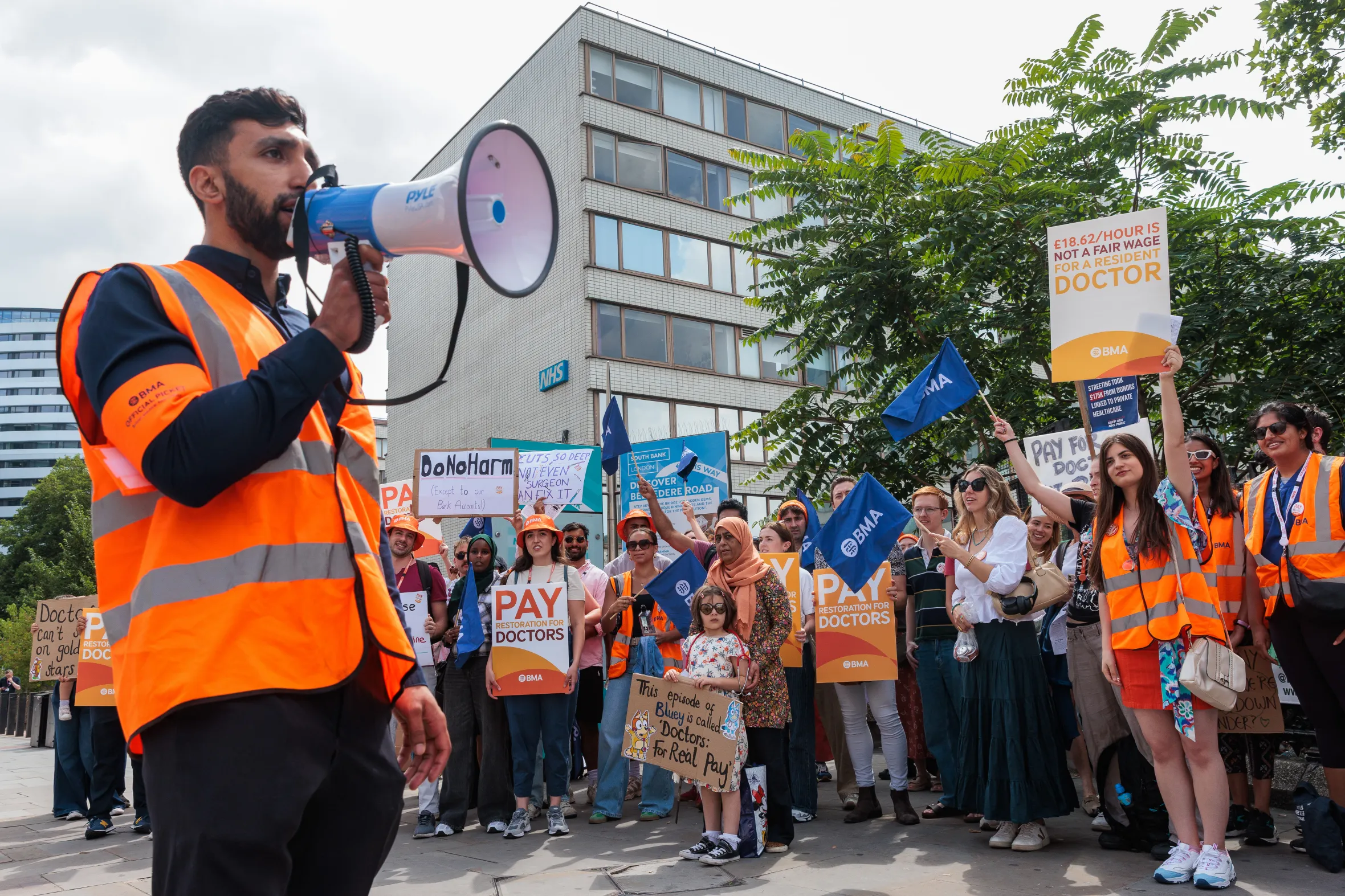 Resident, formerly junior, doctors have spent 59 days on strike since 2023mark kerrison/getty images
However, Streeting has said that these posts will be withdrawn if doctors go ahead with the strike, stating that there was “not a something for nothing culture here”.
This is the fifteenth round of strike action by resident doctors since 2023, and more than 59 days have been lost in total.
The NHS has warned that this strike will be particularly disruptive because it falls during the Easter holidays when many staff have booked annual leave, making cover difficult.
Hospitals have been ordered to limit disruption to patients and maintain 95 per cent of all routine appointments and operations during the strike.
Mike Prentice, NHS national director for emergency planning, wrote to hospital leaders on Monday, stating: “We expect this round to be challenging as there is a shorter notice period, bank holidays within the notice period and the action itself falling during the Easter holidays. This will represent a significant strain on staffing resources to provide safe cover.”
The BMA is demanding that consultants who cover for striking junior doctors get paid up to £2,500 per shift to do so. However, the NHS also said that hospitals “should not adopt” these rates and must keep pay within “normal ranges”.
The BMA’s “rate card” says that consultants should receive a minimum of £313 per hour for an eight-hour overnight shift and £188 an hour for a daytime weekday shift.