
Average petrol prices have reportedly reached the highest level in more than two years following the outbreak of hostilities between America and Iran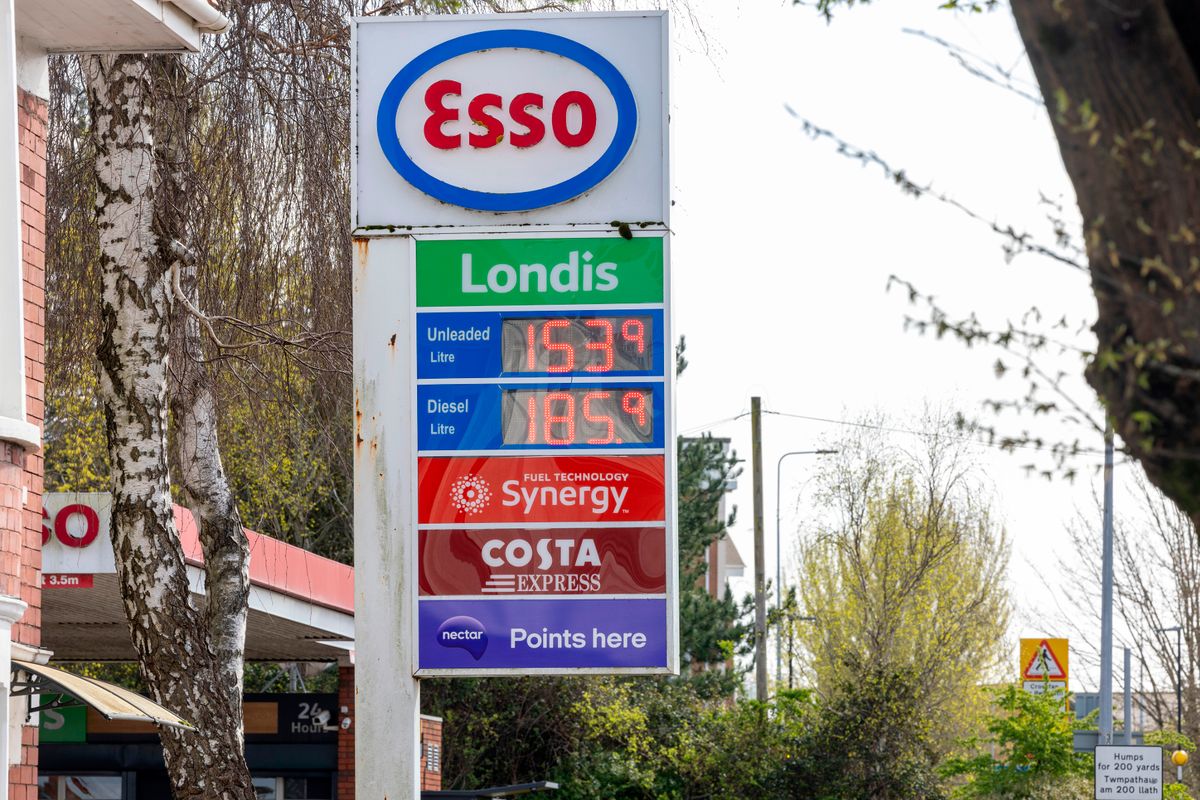
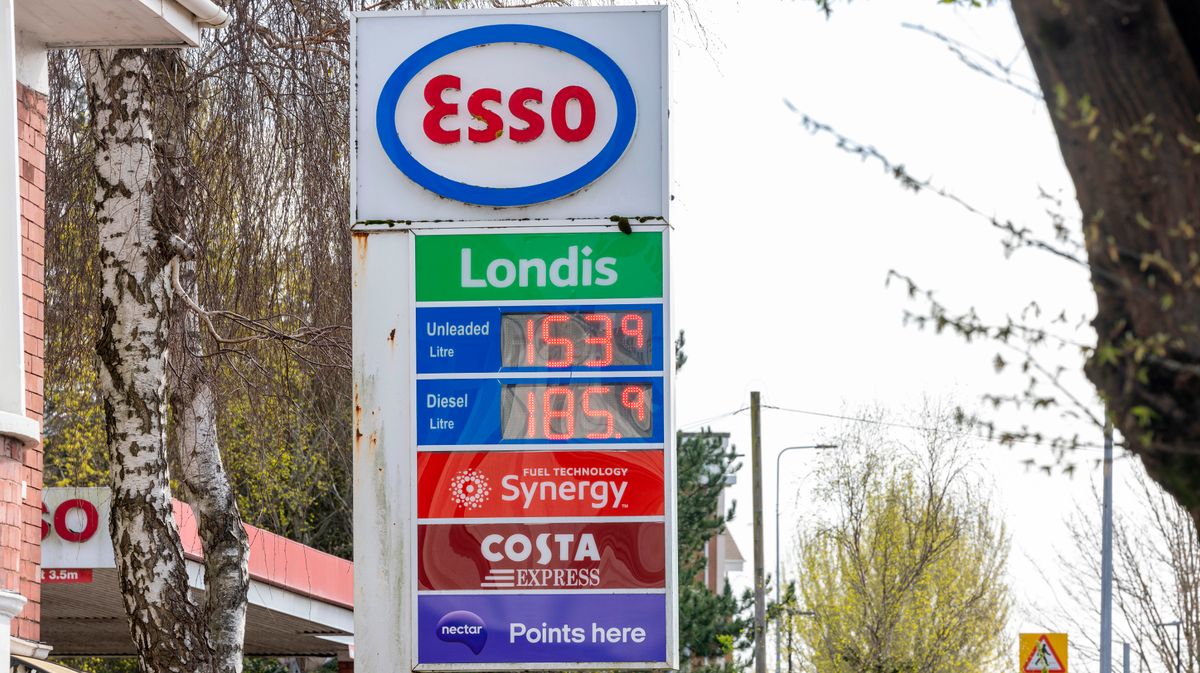
Esso in Corporation Road in Cardiff has seen a big jump in price (Image: Rob Browne/WalesOnline)
Fuel prices have surged across many parts of the UK, with petrol and diesel costs seeing a marked increase in recent weeks as the ongoing conflict between America, Israel and Iran continues to unsettle global markets.
Motorists are now paying significantly more at the pumps, with the average price of unleaded petrol exceeding 150p per litre by the end of last week.
In some areas, prices have already climbed beyond 155p per litre, placing additional pressure on households already grappling with the cost-of-living.
The spike follows military action by the United States and Israel at the end of February, which saw the closure of the Strait of Hormuz, through which a quarter of the world’s liquefied natural gas passes, triggering instability in global energy markets and pushing oil prices higher.
According to the RAC, average petrol prices have now reached 152p per litre – the highest level in more than two years – while diesel has risen sharply to 181.2p per litre, a level not seen since late 2022.
This increase means filling up a typical family petrol car now costs £10.55 more than it did before the conflict began, with diesel drivers facing an even steeper rise of £21.35.
RAC head of policy, Simon Williams, said: “The financial strain on the eight-in-10 motorists that tell us they depend on their cars continues to build, and at a particularly rapid rate for those who drive diesel vehicles. We encourage drivers to continue to fill up as normal and use free apps such as myRAC to pay the lowest price possible each time they fill up.”
Figures show that since February 28, unleaded petrol prices have risen by 19.2p per litre – an increase of 14.4%. Diesel has jumped by 38.8p per litre, marking a 27.3% rise over the same period. For our free daily briefing on the biggest issues facing the nation sign up to the Wales Matters newsletter here.
Despite the sharp price increases, industry groups insist there is no shortage of fuel.
Edmund King, president of the The AA, said: “All indications are that fuel supplies remain stable, so drivers should continue to fill up as normal.”
He added that motorists could reduce costs by using fuel price comparison tools, noting that prices could vary by as much as 13p per litre, even between nearby stations.
You can use our interactive gadget to see the cheapest petrol today at petrol stations in your area, below.
Retailers including Sainsbury’s further confirmed that they were closely monitoring stock levels and continuing to resupply forecourts as needed. Meanwhile, Motor Fuel Group, which operates fuel stations at Morrisons sites, has declined to comment.
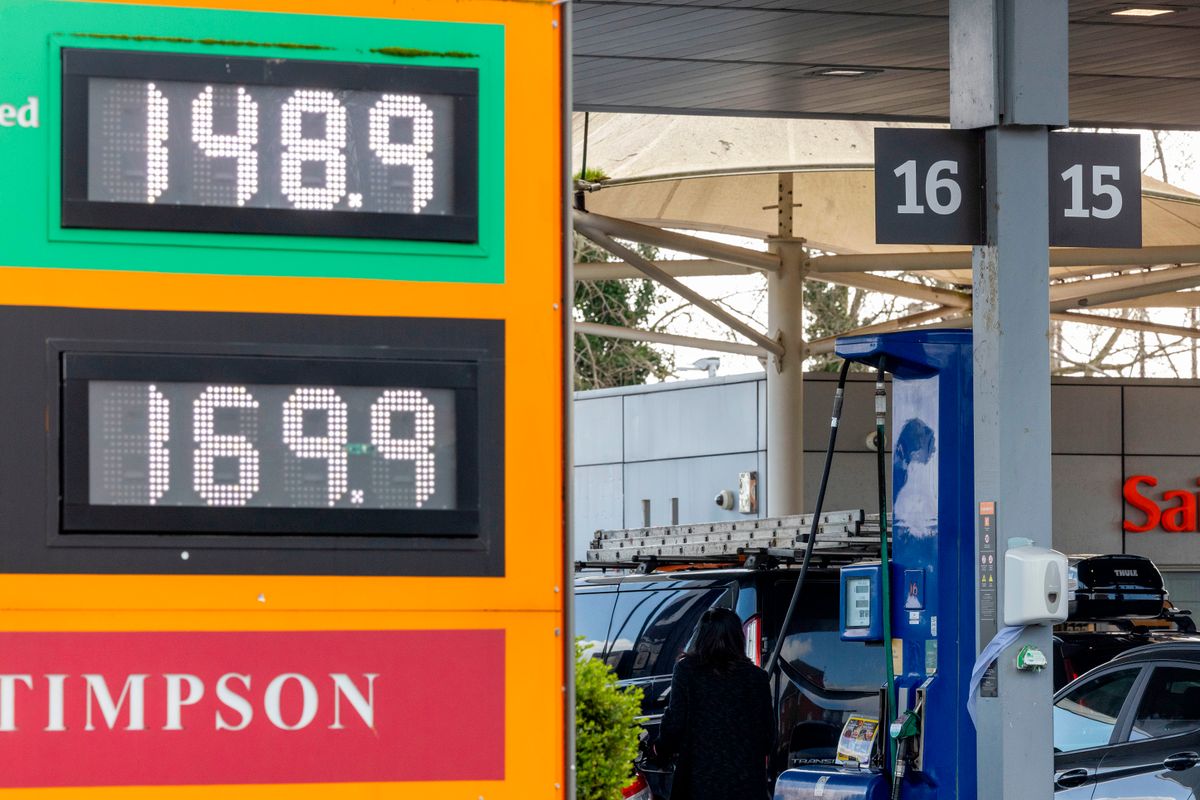
Sainsbury’s in Colchester avenue, Cardiff, is seeing petrol prices of 148.0p (Image: Rob Browne/WalesOnline)
While most of the UK’s electricity is generated through gas and renewable sources, petrol prices remain closely tied to global oil markets, leaving drivers vulnerable to international events.
Across the world, countries have shown varying reactions to the change in fuel prices.
The BBC reported that in two Australian states, public transport would be made free in order to incentivise people not to drive.
Travel on Victoria’s trains, trams and buses will be free from Tuesday and throughout April, while commuters in Tasmania will not need to pay for buses, coaches and ferries from Monday until the end of June.
Tasmania’s transport minister also said that paid-for school buses would be made free, saving those who used them A$20 (£10.40) a week.
The price of petrol has risen sharply in Australia since the conflict in the Middle East began, with the national average at A$2.38 a litre on March 22, up from around A$2.09 at the start of the war, according to figures from the Australian Institute of Petroleum.