
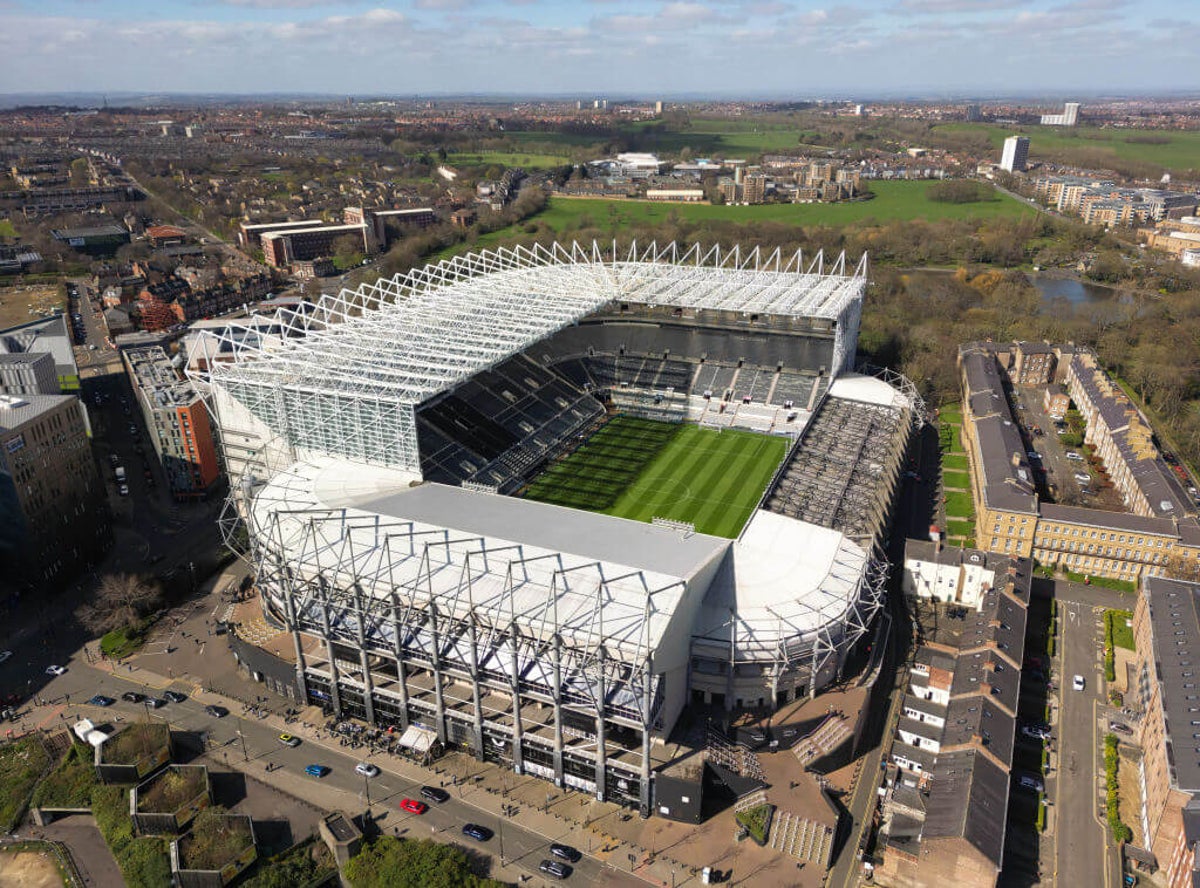
Newcastle United sold both their St James’ Park home and adjacent land to another company owned by the club’s shareholders last season, enabling them to book their first profit since coming under the majority ownership of Saudi Arabia’s Public Investment Fund (PIF) in October 2021.
The intragroup asset sales generated paper proceeds of £176.2million ($232.3m) and an accounting profit of £133.1m, resulting in a pre-tax profit of £34.7m for Newcastle in 2024-25. Without the sales, the club would have posted a record £98.4m loss.
PZ Newco Holdings Limited (PZNH) was incorporated in the UK on June 5, 2025 and is, like Newcastle United, wholly-owned by PZ Newco Limited, the UK-registered investment vehicle majority-owned by PIF. On June 27, three days before the club’s accounting year end, PZNH purchased ‘leasehold improvements at St James’ Park’ for £172.1m, generating £129m profit in Newcastle’s books. That comprises the stadium structure; the land St James’ Park sits on is managed by the Freemen of Newcastle, and is not owned by the club.
On the same date, PZNH purchased Newcastle United Football Club Projects Limited (‘Projects’), a club subsidiary, for £4.1m. Projects was set up in late 2022, and in 2023 acquired a long leasehold interest in land at Strawberry Place, south of St James’ Park’s Gallowgate End, for £12.5m. The land had been sold by the club in 2019 under the ownership of Mike Ashley, for £9m. Projects later signed an underlease with Newcastle United Promotions Limited (‘Promotions’), another entity in the club group. Promotions operates the STACK fan park, which opened on the site in August 2024.
Promotions remains under the club’s sphere, so income generated from the fan park can still be recorded in Newcastle’s financial submissions to football’s governing bodies. But the upshot of those two transactions carried out last June is the club no longer officially owns its home; it is now under the control of a business controlled by the club’s owners.
In a briefing with journalists before the release of the club’s latest accounts, Newcastle’s chief financial officer Simon Capper said the motivation behind the transactions was to “reorganise our property assets and get them into the correct legal boxes to allow us to go forward with our potential development, either at St James’ Park or for a new stadium, and to facilitate that with financing and other similar items”.
Newcastle’s home ground has been subject to much speculation since the takeover five years ago, even as a decision on what to do — expand or move — remains unmade. According to Capper, shifting St James’ Park and the nearby land into a separate company is a further step toward an eventual decision, and the club said compliance with Premier League profitability and sustainability rules (PSR) was not a primary motivation. Capper did, though, admit the intragroup sales “create a very significant accounting profit”.
The Athletic had previously estimated Newcastle could lose up to £83m in 2024-25 without breaching PSR, a loss we believed they would approach but fall just on the right side of. Without the two asset sales, last season’s loss would have been £15m over our estimated limit. While projections are just that, and Newcastle certainly didn’t need £133m in accounting profit to avoid a breach, the figures suggest some benefit from the transactions was required to remain compliant. When asked by The Athletic if this was the case, Newcastle declined to comment.
Newcastle battled PSR troubles in June 2024, frantically selling Yankuba Minteh and Elliot Anderson to plug a more than £50m gap in their calculation. The future of the club’s home was a live topic then too, and undertaking these internal asset sales would have removed the need to sell players before an accounting deadline.
Such deals aren’t as simple as they may seem — Premier League rules dictate such transactions must be carried out at ‘fair market value’, so it isn’t like clubs can pluck a figure out of the air at random to suit a need — but the profit banked on selling St James’ Park was around double what the Minteh and Anderson sales generated. In any case, it was not a tactic Newcastle employed two years ago.
The intragroup sales carried out on Tyneside last June are comparable to those seen at other Premier League clubs recently, most notably Chelsea. There, in 2022-23, two hotels and a car park were sold to a fellow group entity. A year later, Chelsea sold their women’s team internally for £200m. Newcastle haven’t done the latter but in shifting assets within their wider group structure, they have created significant paper value.
The sales did not translate to an immediate cash injection; as at the end of June, Newcastle were owed the full proceeds by PZNH, though the club receives regular shareholder funding anyway.
While the transactions assisted Newcastle’s domestic PSR position last season, their overall impact from a regulatory perspective is limited. The Premier League will stop assessing clubs on their rolling three-year losses after the current season, shifting to a squad-cost rule (SCR) which won’t take into account fixed asset sales. Newcastle’s 2025-26 compliance already looked assured as a result of the British record sale of Alexander Isak in September.
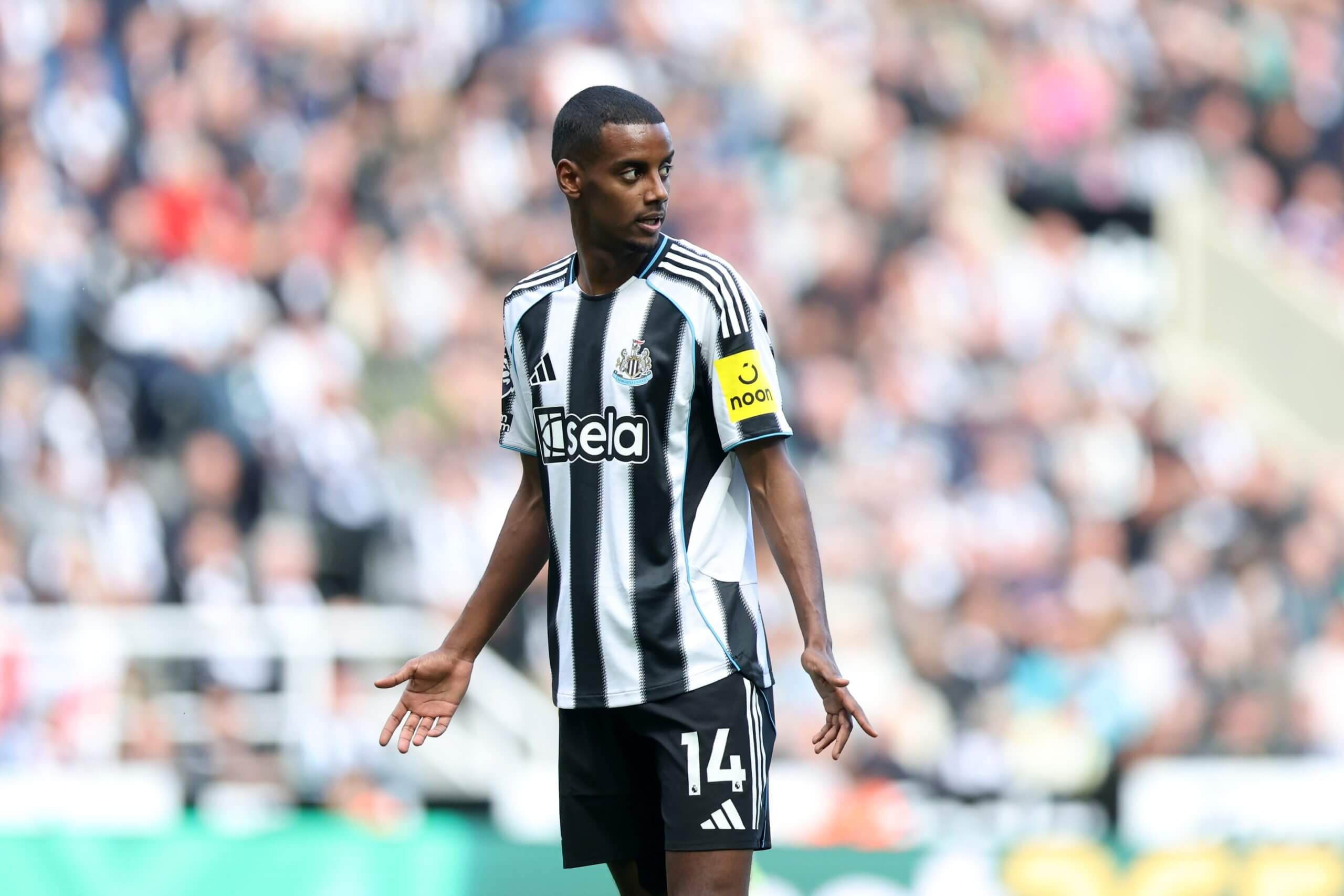
Newcastle’s compliance with 2025-26 Premier League financial regulations looked assured by the sale of Alexander Isak (George Wood/Getty Images)
Abroad, UEFA employs SCR too and, while clubs are still assessed on three-year losses, the European governing body’s rules exclude such asset sales from that. As a result, Newcastle’s most recent submission to UEFA will include pre-tax losses of around that £98m figure.
The Athletic estimated earlier this season that Newcastle would likely breach each of UEFA’s two main financial rules, something these latest financials do little to counter. In fact, they confirm the club is ‘currently in discussion with UEFA’ with respect to compliance in the accounting period to the end of June 2025.
UEFA’s football earnings rule limits clubs to three-year losses of €60m (£52m, $68.8m), around half the Premier League limit. Newcastle’s rolling three-year loss, once the stadium and subsidiary sale are excluded, was £181.2m, so a breach looks highly likely, even once expenditure on infrastructure and the like is deducted. Both Chelsea, whose asset sales were likewise excluded from the calculation, and Aston Villa are currently in Settlement Agreements with UEFA, which limit future losses, after breaching the rule in 2023-24.
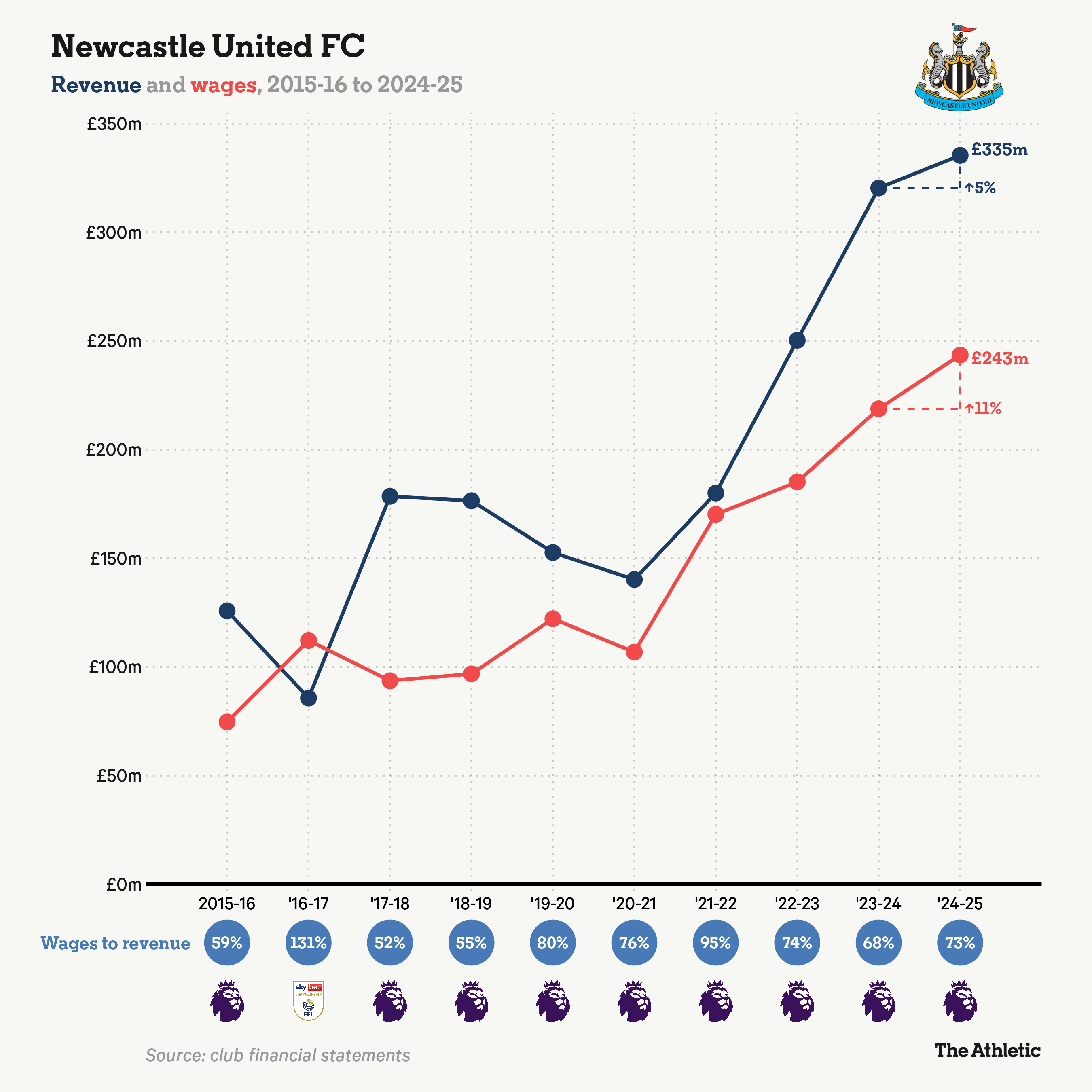
Each of those clubs also exceeded the 70 per cent squad-cost limit in 2024 and, while it is harder to discern, Newcastle’s position there looks precarious too. The club’s wages-to-revenue metric rose from 68 to 73 per cent in 2024-25, though SCR is assessed over a calendar year. Newcastle’s 2025 position is enhanced by playing in the Champions League this season, but if they have breached SCR for 2025, a fine may await.
The one-off sales of St James’ Park and nearby land were employed in a year in which Newcastle’s revenue hit record heights, even as they found themselves out of European competition. Last season, the club booked £335.3m turnover, a £15m improvement on 2023-24, when Newcastle played in the Champions League.
A return to that competition this season should ensure another revenue record is broken. The Athletic projects Newcastle earned around £56m from their run to this season’s round-of-16 stage. It’s therefore likely they will top £400m in annual income for the first time in 2025-26, becoming the first English club outside of the Premier League’s ‘Big Six’ to do so.
Revenue increased last season principally on the back of commercial income growth, which now tops £100m. Again, only the ‘Big Six’ have previously broached that territory.
Newcastle’s commercial revenues leapt £36.6m (44 per cent), principally due to a new kit and merchandising deal with Adidas. According to a recent UEFA report, the club’s kit deal generated roughly £34m last season, around triple the amount earned previously with Castore.
Increased commercial revenues had previously been driven by deals done with fellow PIF-owned entities — the front-of-shirt sponsorship deal with Sela, for example — but growth there slowed last year. Newcastle’s commercial income from related parties increased from 2023-24, though only by £5.4m (to £34.4m). The remaining £31.2m increase came from third parties, most of it from Adidas but also from, for example, that STACK fan park which opened at the beginning of last season.
Matchday income edged up slightly too, even without European football. Newcastle’s ultimately successful run to the Carabao Cup final, combined with two home FA Cup ties, meant they played 25 home games last season, two more than a year earlier. They’ll play a total of 31 this season, six in the Champions League, so takings are likely to hit further heights. Gate receipts have doubled under the new ownership.
Matchday and commercial revenues offset a £22.7m drop in TV money, driven by that lack of Champions League football. Finishing two spots higher in the Premier League, and having two extra games selected for live broadcast, improved Newcastle’s domestic prize money by £5.5m, even as overall distributions to clubs declined slightly. That Carabao Cup win ended a long wait for silverware but offered little in prize money, so made little dent in the broadcast income figure.
Despite a fourth straight year of record revenues, Newcastle’s operating loss also hit a club record £109.4m, a £40.8m (59 per cent) worsening on 2023-24. Cost increases significantly outstripped revenue improvements, even as the club spent minimally on new players.
Wages increased 11 per cent to £243.5m, though that still left Newcastle unchanged as the eighth-highest payer in England. In that context, finishing fifth represented an overachievement. Newcastle have now outperformed their wage bill in each of Eddie Howe’s three full seasons as the club’s head coach.
As mentioned, wages as a percentage of revenue increased, because salary costs grew faster than income. This season’s return to the Champions League should help matters, even if another wage bill rise is likely. In a quirk of timing, qualifying for the competition last season probably worsened that metric; bonuses are recorded when the criteria for being paid is met, which generally means the season in which qualification is achieved.
Getting that proportion down will be of paramount importance for SCR compliance, albeit the club’s whole wage bill is not included. Reflecting improved commercial performance last season was another uptick in off-field staffing. At 305, administrative staff numbers are more than double the number seen at the end of the Ashley era.
Transfer fees are included in SCR calculations, or rather amortisation costs, being the spreading of fees across player contracts. Those rose in 2024-25 but only slightly, to a little shy of £100m. Newcastle spent just £40.4m on players last season, the first time their season’s expenditure has been below £150m in the PIF era.
They soared above that figure again this season, with the accounts disclosing a £141m net spend even after the nine-figure sale of Isak to Liverpool. Newcastle’s net transfer spend since the takeover now tops £500m. On a gross basis, close to £800m has been spent on new players.
The Isak sale marked a huge shift from past business on Tyneside. The Athletic has previously detailed the expectation that the deal on its own generated more in player profits for Newcastle than their single-season record of £69.8m, achieved in 2023-24. The huge sale will aid regulatory compliance: a third of the profit achieved will remain in the club’s SCR domestic and European calculations for three years or seasons, and it will also stay on Newcastle’s UEFA football earnings calculation, provided they stay in European competition, through 2027-28.
Even with that big sale last summer, Newcastle have continued to receive hefty funding from their owners. Sizeable transfer spending and investment across the club — a further £16m went on infrastructure last season, taking the total post-takeover beyond £50m — has meant a need to draw from shareholder wallets.
Not all of it comes from PIF.
Jamie Reuben, through RB Sports & Media Limited, owns a minority holding, which increased to 15 per cent when Amanda Staveley departed the club in July 2024. Staveley, for her part, repaid a £1.5m loan to the club in December of that year. These accounts detail ‘key management personnel’, of which Staveley was a part, as receiving £10.7m in 2024-25, up from £6.9m a year earlier. The former included ‘compensation for loss of office’ which, while not explicitly stated, would cover any pay-off Staveley received.
Across PIF and Reuben, £50m in shares were issued last season, and a further £156.5m has arrived since the end of last June. £111.5m, including £5m directly into the women’s team, was injected in September, before another £45m in December.
In the 54 months since the takeover, Newcastle have received £491.9m in cash into club coffers from the ownership, or roughly £9m per month. That does not include the £305m spent on buying the club initially, nor £17.5m in separate debt repayments to Ashley on the day the deal went through. In all, Newcastle’s owners have spent over £800m on the club inside five years.
Building a new stadium, or even just expanding St James’ Park, would likely see that figure grow significantly, and it is a matter which has been thrust back into the spotlight with the release of these accounts.
Newcastle obtained an obvious regulatory benefit from the intragroup asset sales, even if that benefit is limited in scope. The explanation given by the club, of reorganising assets into one legal entity, has credence, though progress on the stadium question is required to bolster that.
That question forms a key part of Newcastle’s long-term future, though the short term is hardly free of uncertainty either. Revenues are growing, and should have doubled from pre-takeover times in 2025-26. The Isak sale became mired in acrimony last summer but from a financial perspective cannot be understated: it is one of the largest player sales in football history.
Yet while this season should show healthier financials, Newcastle find themselves subject to one of football’s more recently formed cliff-edges. Missing out on the Champions League at the end of this season but getting into another European competition would see next year’s broadcast revenues slump but the club still held to UEFA’s 70 per cent squad-cost limit.
No European football at all would make them subject to the Premier League’s higher limit of 85 per cent but the aspiration of becoming a regular Champions League club means Newcastle can hardly ignore UEFA’s rules from one season to the next. Indeed, Newcastle’s ambitions led them toward a record underlying loss last season, as they missed out on Europe’s premier competition but costs continued to rise.
Most promising on the aspirational front is their commercial revenue. Not only do they make nine figures annually, but at 36 per cent they are the only non-‘Big Six’ Premier League club to make more than a third of their income from the commercial stream. Growing non-broadcast revenues is key in insuring against the impact of on-field performance dipping.