
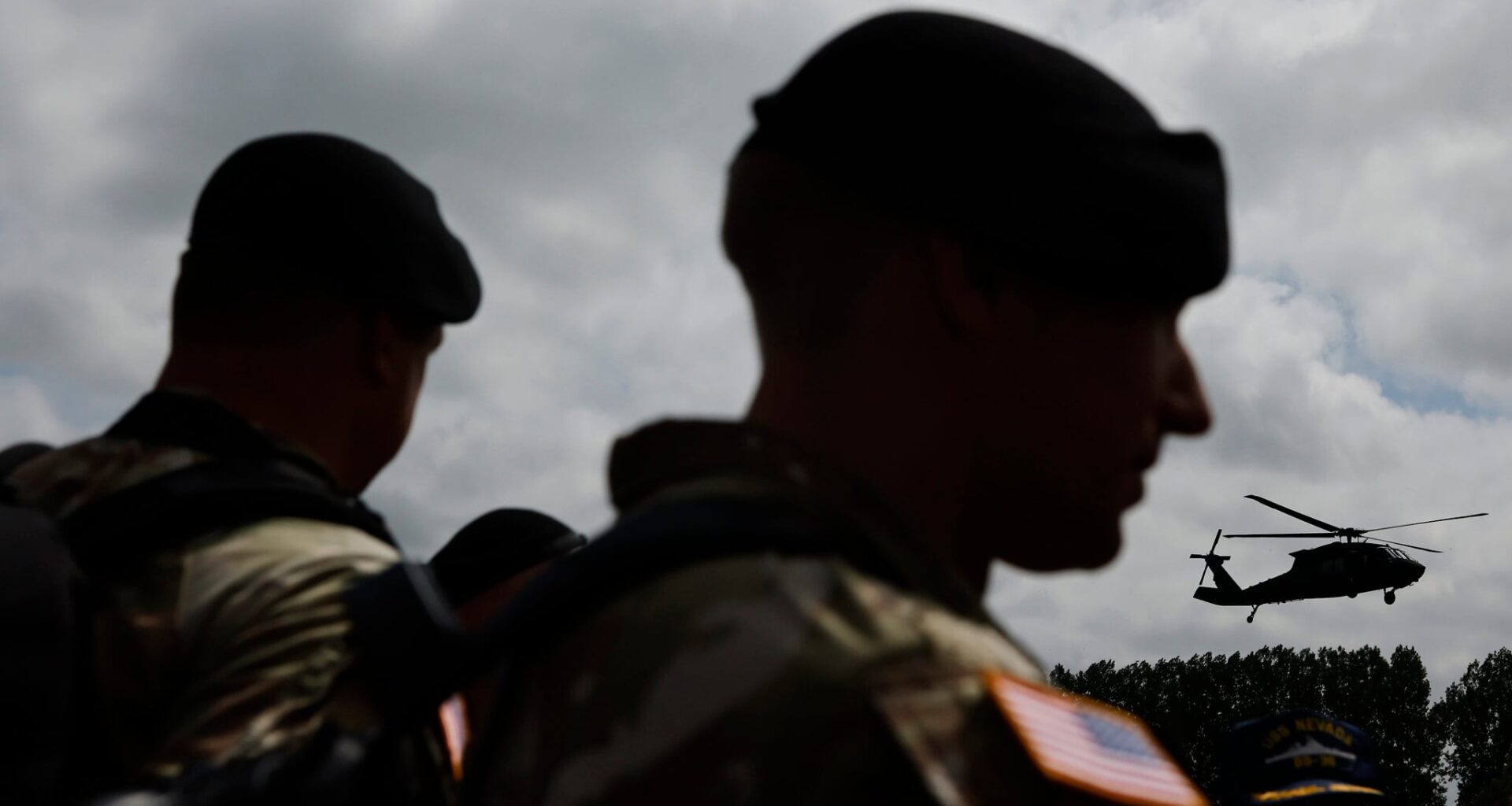
With the US preparing options for a potential ground operation in Iran, Israel is unlikely to take part — a prospect that has drawn criticism among the American public but, experts say, reflects strategic calculations.
On Saturday night, The Washington Post reported that the US Department of Defense was preparing options for limited ground operations in Iran — short of a full-scale invasion but potentially involving thousands of troops over the course of weeks or months.
According to the report, which cited unnamed American officials, US President Donald Trump, who is also talking about the war coming to an end shortly, has not greenlit any of the plans.
Two days earlier, Axios reported that Washington was weighing options for a “final blow” to Iran, which could include deploying US forces on the ground, particularly to seize one of several Iranian-controlled islands in the Strait of Hormuz or the Persian Gulf. Among the potential targets is Kharg Island, Iran’s key hub for the export of oil.
The Axios report came as sources familiar with US intelligence told CNN that Iran was raising military defenses on Kharg Island in anticipation of a possible US operation to seize the territory.
Get The Times of Israel’s Daily Edition
by email and never miss our top stories
By signing up, you agree to the terms
Prime Minister Benjamin Netanyahu hinted at the need for a ground operation earlier this month, saying, “There has to be a ground component as well,” in order to bring about regime change — an unofficial goal of the war shared by both Israel and the US — while declining to elaborate on what that might entail.
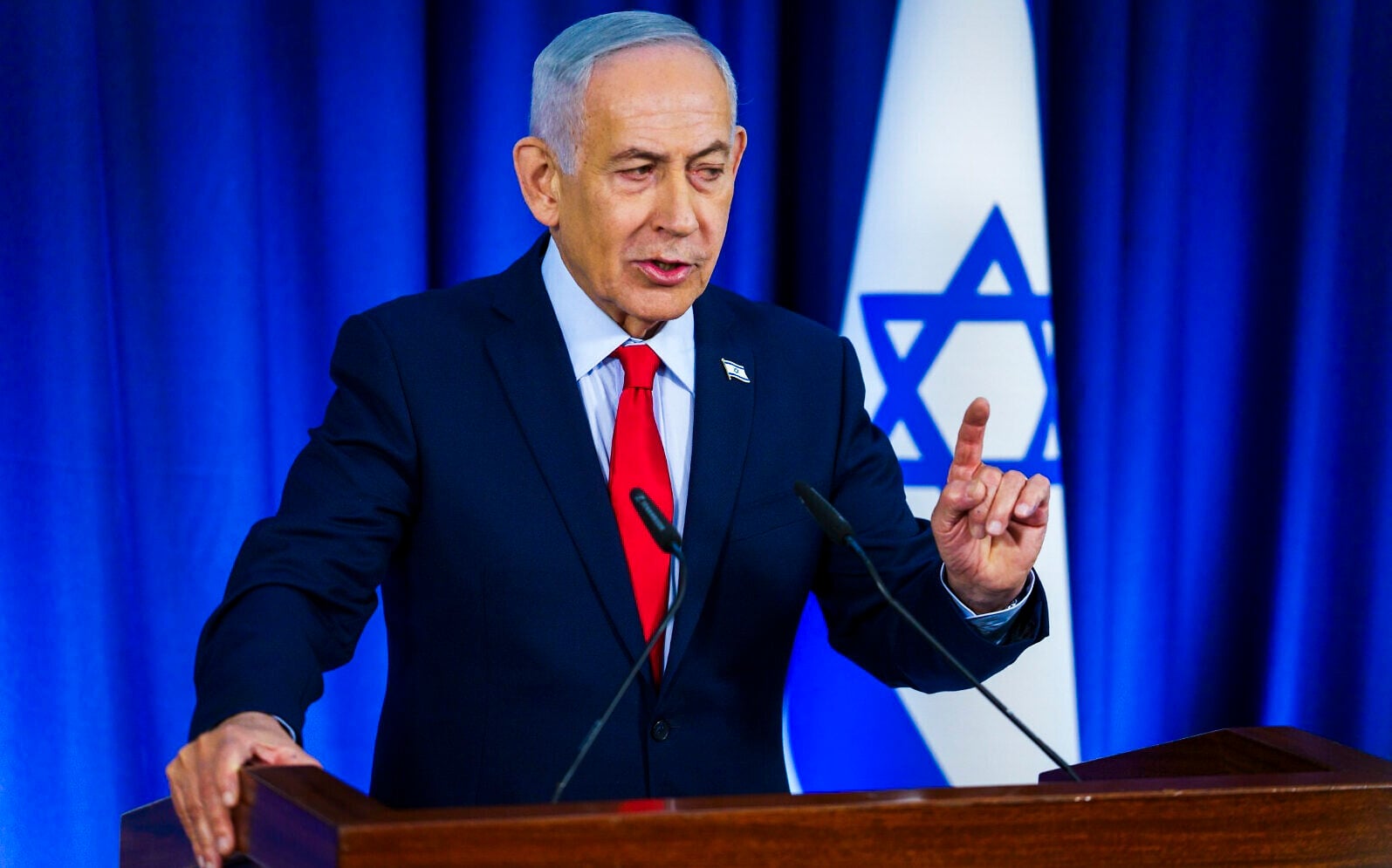
Prime Minister Benjamin Netanyahu speaks during a press conference in Jerusalem, March 19, 2026. (Shalev Shalom/POOL)
Still, despite his remarks, there has been no indication in recent reporting that Israel would take part in such an operation — fueling criticism in the US that American troops could be put at risk in a war seen by some as primarily serving Israeli interests.
Thirteen US service members have been killed and more than 300 wounded in the conflict, and experts warn that any attempt to seize and hold territory would expose troops to far greater danger.
A recent HuffPost investigation based on interviews with US servicemembers and advocacy groups showed increasing wariness of the conflict among American troops.
“I’m hearing out of service members’ mouths the words, ‘We do not want to die for Israel — we don’t want to be political pawns,’” a veteran and reservist who mentors younger officers told the news outlet.
Public support in the US remains limited. Multiple polls, including from CNN, The Washington Post and Quinnipiac, show a majority of Americans oppose the war. Additionally, the Quinnipiac survey found that 44 percent believe the US supports Israel “too much,” while a separate poll by the Institute for Middle East Understanding Policy Project found that 56% believe the war benefits Israel more than the United States.

Members of the US Army National Guard listen as US President Donald Trump speaks during a Memphis Safe Task Force roundtable on March 23, 2026, in Memphis, Tennessee. (ROBERTO SCHMIDT / GETTY IMAGES NORTH AMERICA / Getty Images via AFP)
Yet analysts say the perception that Israel is absent from the fight ignores the role it has already played in preparing the battlefield.
Gregg Roman, executive director of the Middle East Forum, said Israel has already contributed to shaping the conditions for any potential ground operation, particularly in the early stages of the war.
“If you look at the first three days of the war, it was to soften Iranian territory for the eventuality that there might be the need for ground forces to operate,” he said, referring to the opening US-Israel strikes that decimated Iran’s leadership — including killing supreme leader Ali Khamenei — and crippled its air defenses, enabling aerial dominance.
According to Israeli defense sources, the IDF has also provided the US with intelligence regarding the Strait of Hormuz and nearby islands, including Kharg Island, during the US’s preparations for a possible operation there.
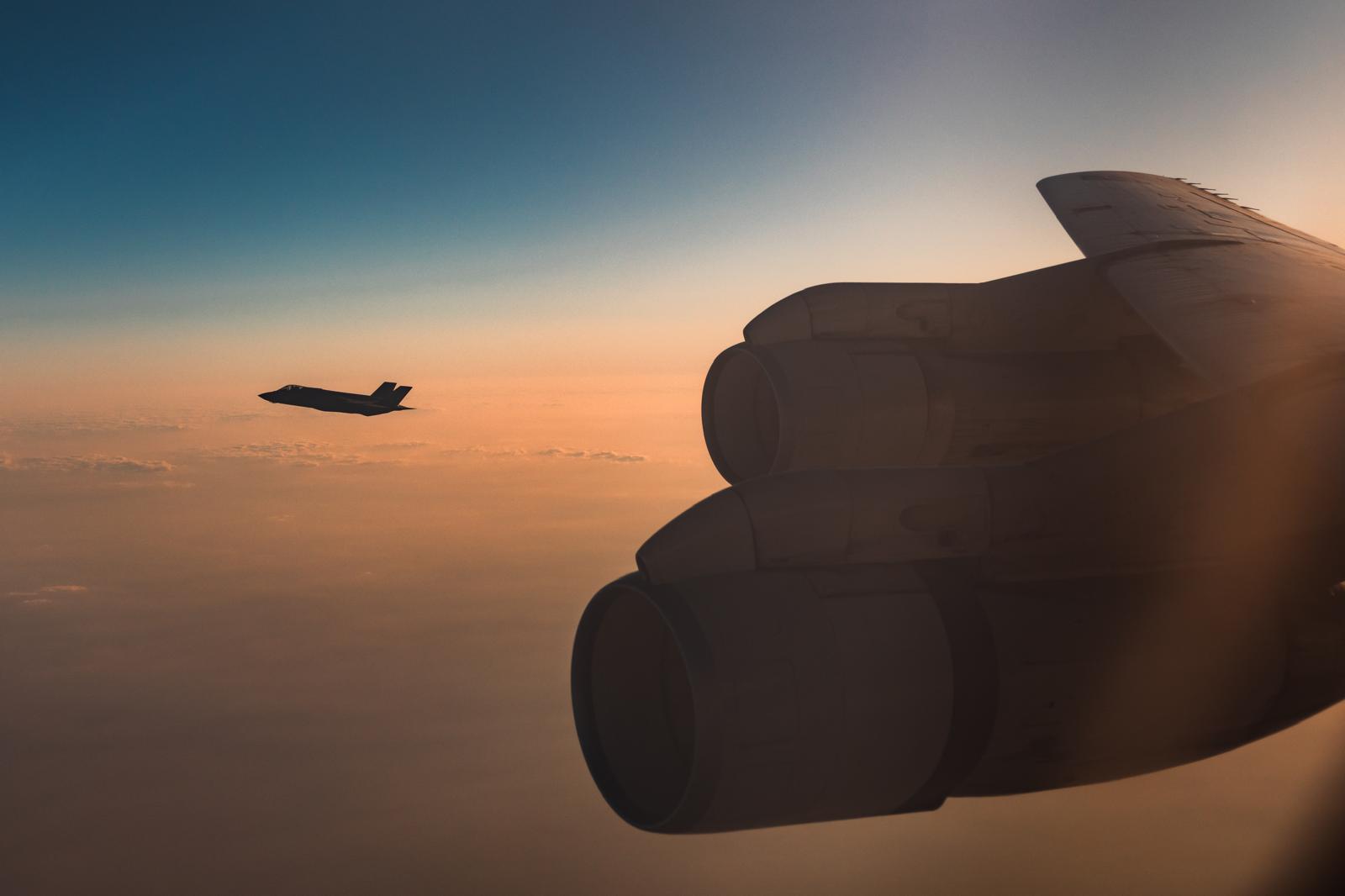
An Israeli Air Force F-35I fighter jet is seen heading to Iran to carry out strikes, in a handout photo published on March 19, 2026. (Israel Defense Forces)
Despite these contributions, Israel’s involvement is expected to stop short of overt ground participation.
“Much like during Operation Desert Storm, during which Israel did not participate in ground operations in Iraq despite sustaining Scud missile fire from Iraq, it is unlikely that, should there be any US ground operations against Iran, the IDF would participate overtly,” Blaise Misztal, vice president for policy at the Jewish Institute for National Security of America, told The Times of Israel.
Defending the borders
According to Misztal, while parallels can be drawn to the 1991 Gulf War, the rationale this time is different — reflecting how the region has evolved.
“In 1991, the United States asked Israel to stay out of the war in order to avoid discord with its Arab coalition partners,” Misztal noted. “This time around, that is not a concern.”
Instead, the constraints today are largely operational rather than diplomatic.
Misztal said the presence of Iran-backed groups on Israel’s borders means Israeli forces are needed closer to home “to continue defending against Iranian proxies, however degraded they might be.”
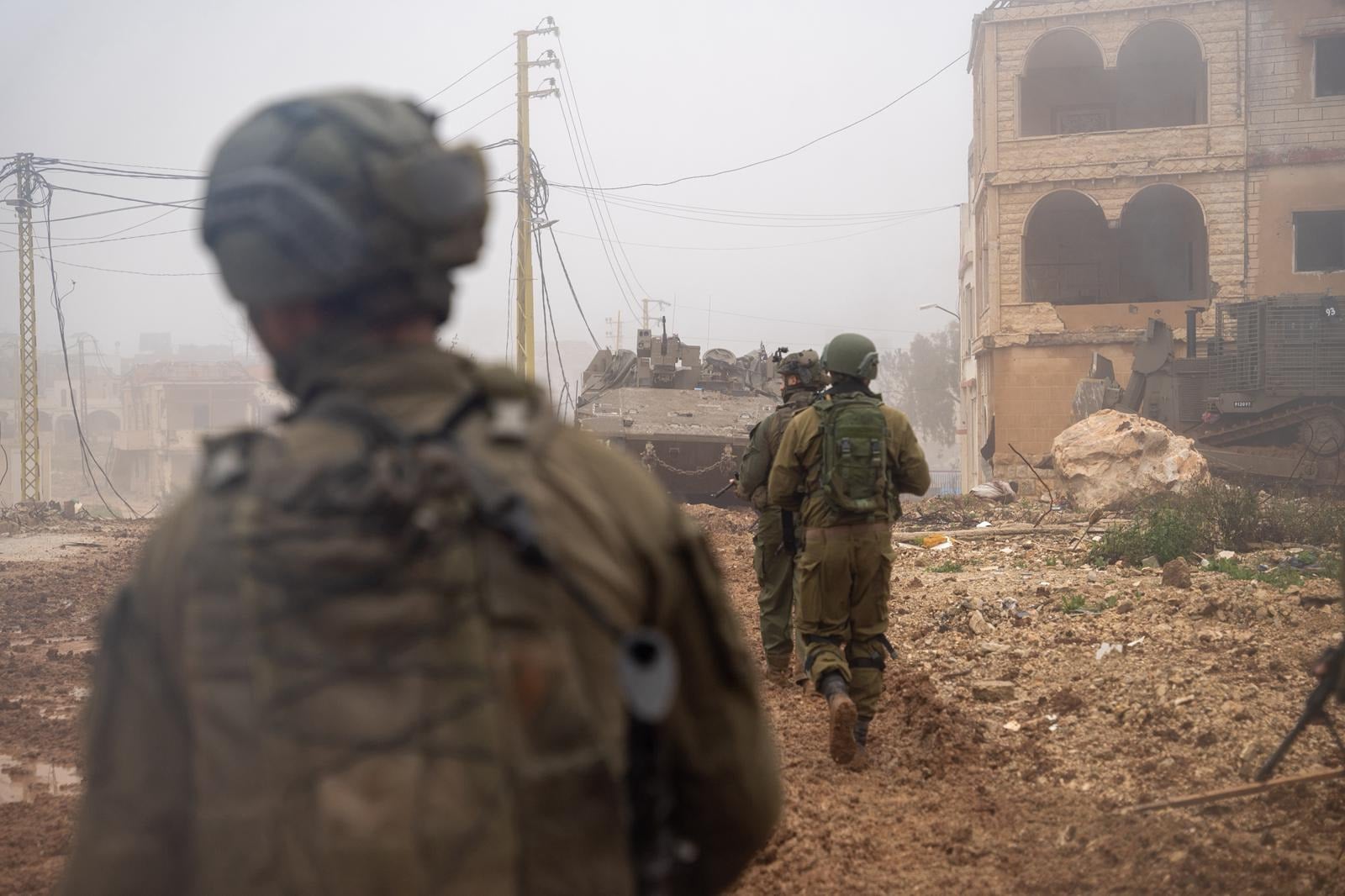
IDF troops of the 91st ‘Galilee’ Regional Division operate in southern Lebanon, in a handout photo issued by the military on March 26, 2026. (Israel Defense Forces)
Nowhere is that more evident than along Israel’s northern front with Hezbollah.
“I think that Israel is doing its part by fighting on another front of the war — that’s in Lebanon,” Roman said, adding that “the war is not just against Iran itself. One of the stated aims of the war is to defeat Iran’s proxies.”
Five IDF divisions are currently deployed in southern Lebanon, with preparations underway to deploy a sixth — the 98th Division, an elite formation of paratroopers and commando units.
Senior Israeli officials have said the IDF aims to establish a demilitarized zone in southern Lebanon up to the Litani River, enforced through surveillance, firepower, and a continued ground presence in key areas — a move likely to take a toll on the military’s already strained manpower.
At the same time, troops remain engaged in Gaza, where Hamas still controls approximately half of the territory, as well as in the West Bank, where settler violence has been on the rise.
Covert activities?
Still, Misztal did not rule out some level of Israeli involvement on Iranian soil.
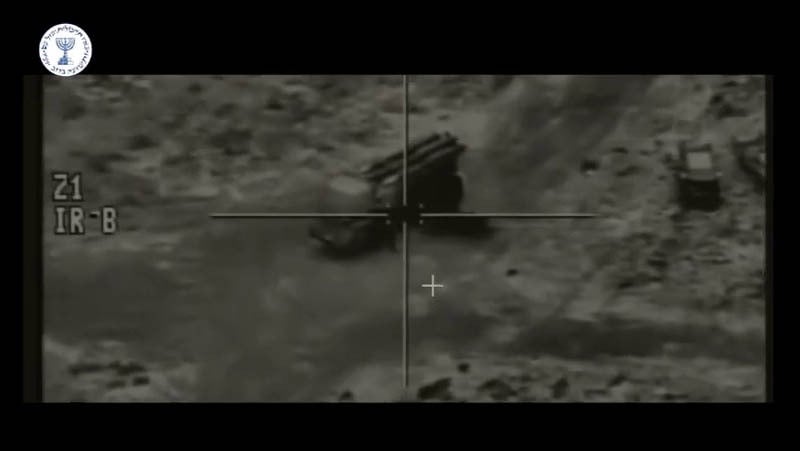
Screenshot from footage released by the Mossad showing strikes carried out by commandos of the Israeli spy agency on Iranian air defenses in Iran, June 13, 2025. (Mossad screenshot)
“While Israel’s ground forces are likely to remain close to home, that does not mean that Israeli special forces might not participate in covert activities in Iran, either in support of or together with their US counterparts,” he said.
Roman similarly suggested that Israeli involvement inside Iran may already be taking place in less visible ways.
“If there were not one Israeli soldier in Iranian territory, that would be strategic malpractice,” he said, adding that Israel has already had personnel operating there “in one way or another.”
He pointed to the 12-day war in June 2025, during which “the Mossad actively advertised their operatives’ involvement in taking out forward-based missile launchers.”
“This isn’t about Israel not contributing to an Israeli-led campaign; this is about Israel doing what America asks of it in an American-initiated campaign,” Roman said.