
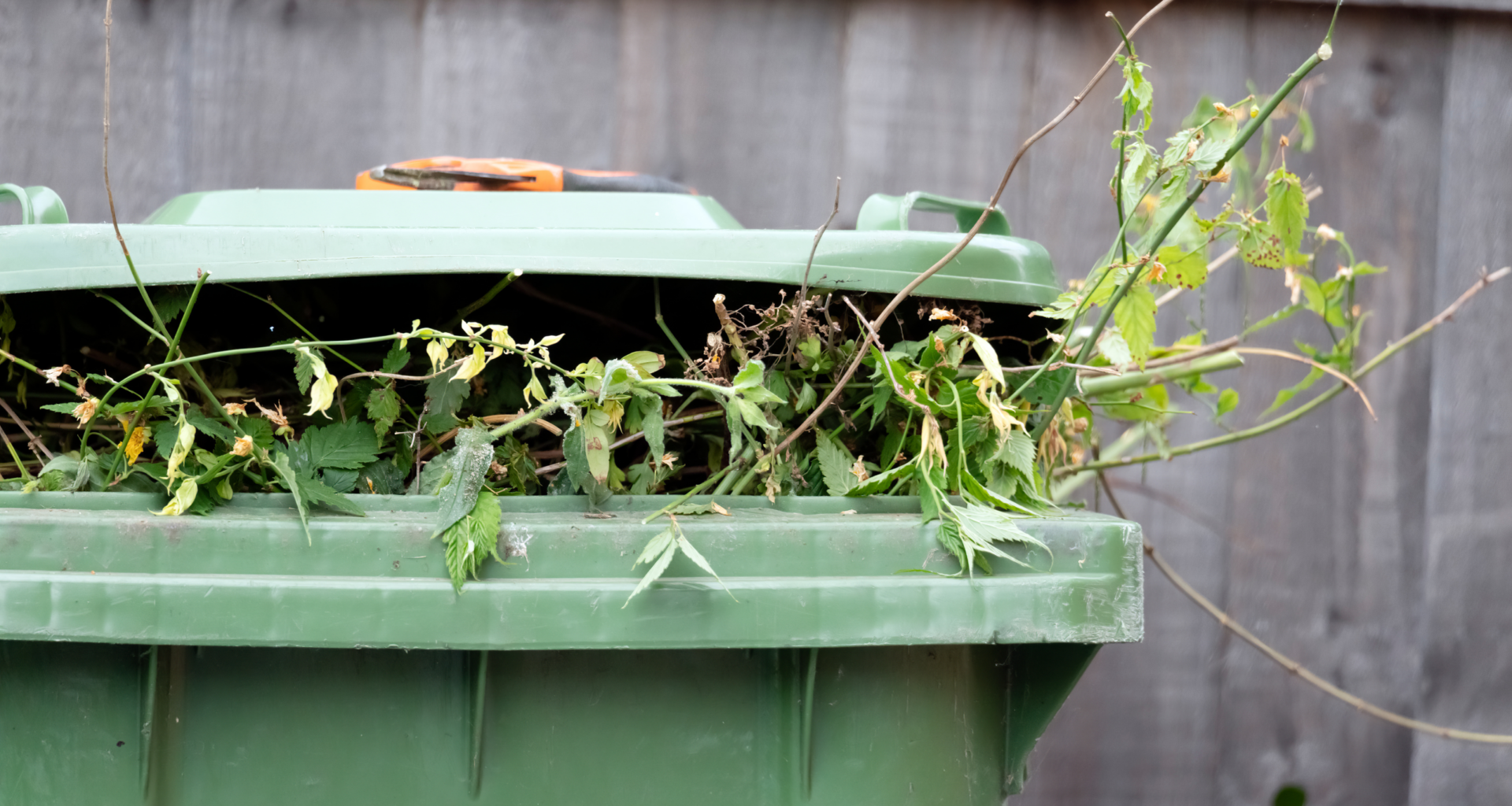
Yesterday, new clear rules on sorting recycling and waste came into force across the UK. The goal of these rules is to streamline collections and cut the amount of waste sent to landfills. But what do the new, simpler household recycling rules mean for garden waste?
If you’re planning to carry out some April gardening jobs this weekend, you’re bound to produce some garden waste, whether that is empty plant pots or grass clippings. The new rules have set out that food and garden waste must be collected separately from other recycling, and have provided councils with a list of what they do not need to collect.
What can’t go in garden waste under new rules
Under the new rules, councils are not required to accept the following items in garden waste:
Article continues below
You may like
animal beddingbulky waste (including garden furniture and fencing)garden tools or other gardening equipmentplant potsplasticsandsawduststone, gravel or brickstea bags or coffee groundsbranches and trees over a certain size may have to be cut into smaller pieces to follow local guidance
(Image credit: Future PLC)
What can go in garden waste
While there are clear rules on what councils do not need to collect from garden waste, you will need to confirm with your local council what they will accept. However, as a general guide, most councils accept the following:
Christmas treescut flowers, plants and weedsgrass cuttingshay and straw (no animal bedding)hedge clippingsleaves and barksmall branches or pruningswindfall fruit from your gardenDoes the council need to provide a garden waste bin?
The rules have not changed, whether or not a council is required to offer garden waste collection as standard. Local authorities can still charge for garden waste collections, but this will vary from council to council.
The new rules state on gov.uk state that ‘Waste collection authorities only have a duty to collect garden waste if the household has requested the service and paid any related charges.’

(Image credit: Future PLC / Polly Eltes)
While some councils will accept garden waste in your brown food bin, which must be collected weekly under new rules, this is not the case universally. Some councils might offer a separate free garden waste collection; however, for others, you might need to request garden waste collection and pay any related charges.
For example, where I live, my waste collection is managed by Wandsworth Council, who offer free garden waste collection of up to five bags, collected at the same time as other waste sacks. However, where my Mum lives, she’s covered by North Yorkshire council, who require you to pay £52 for a garden waste licence, which covers a 240-litre wheelie bin being emptied fortnightly.
You can check the rules for your local area by checking your council’s website or searching via this gov.uk garden waste disposal page. If your council doesn’t offer free garden waste collection, it might be worth looking into options around home composting to reuse grass clippings or other waste in your own garden, and feed your garden for free.