
Captive bird populations in zoos and wildlife parks across the country will get extra protections from the deadly H5 bird flu, also known as H5N1.
Australia is the only continent to which H5N1 has not yet spread, but experts say infection is inevitable. The virus has wiped out millions of birds and tens of thousands of animals across the northern hemisphere, Southern Africa and South America. It has even entered Antarctica.
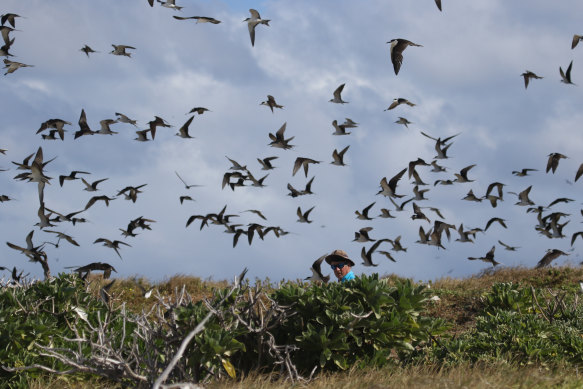
Experts say an H5N1 outbreak would probably take a catastrophic toll on Australian native birds.Credit: Guy Weerasinghe
Environment Minister Murray Watt and Agriculture Minister Julie Collins have announced the government will spend $2.8 million on bolstering Australia’s preparedness for H5, by protecting captive bird populations against wild birds potentially infected with the virus.
Threatened species most susceptible to the H5 strain, such as the regent honeyeater and the plains-wanderer, will also be supported through the grant.
“Australia is very lucky not to have experienced the H5 strain that’s impacting most of the world, but we must do everything we can to prepare – including ensuring that plans are in place for some of our most at-risk species,” Watt said.
“We are hoping to avoid an outbreak of H5. But the reality is that it’s not something that we can stop getting to Australia.
“We can certainly make big efforts to ensure that we are prepared in the event we do have an outbreak.”
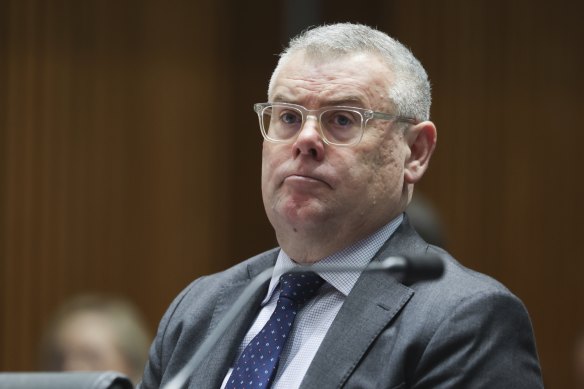
Environment Minister Murray Watt.Credit: Alex Ellinghausen
Invasive Species Council policy director Dr Carol Booth welcomed the funding, and urged the federal government to go further.
Bird flu has killed more than 30,000 South American sea lions, 17,000 southern elephant seal pups, and at least 650,000 native birds since hitting South America in 2022.
“This funding will help safeguard animals in captivity, but now we need the same level of urgency and coordination for protecting wildlife in the wild – particularly in high-risk areas like wetlands, seabird colonies and coastal haul-out sites for seals,” Booth said.
“If H5 bird flu turns up in Australia, the government-commissioned risk assessment predicts ‘catastrophic’ impacts on our native birds. If we wait until H5N1 is here, it will be too late.”
The government has allocated $100 million for the fight against bird flu.