
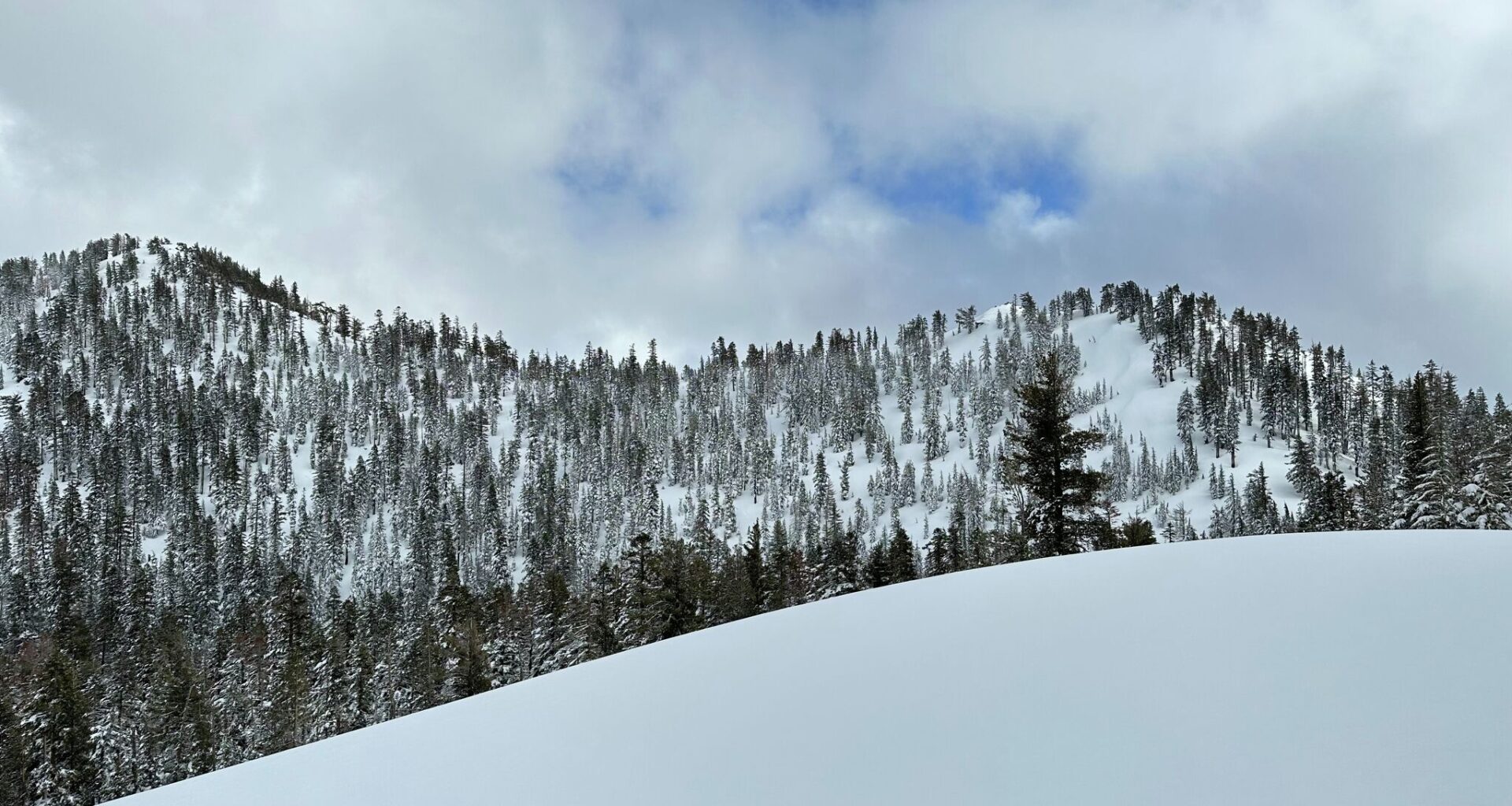
The site of the Castle Peak avalanche that occurred on February 17, 2026.
Sierra Avalanche Center
The guides in the deadliest avalanche in modern California history led a group of backcountry skiers below avalanche terrain during dangerous conditions and traveled in a group large enough to potentially trigger the large slide, investigators concluded in a report released this week.
Several members of the group wore avalanche airbag backpacks, but none of the lifesaving equipment deployed during the Feb. 17 tragedy near Castle Peak, according to the report authored by the Sierra Avalanche Center and published on the National Avalanche Center site.
The report also confirmed a Chronicle story that first disclosed that the guides led the group through a more avalanche prone area when two alternative, safer routes were available.
Article continues below this ad
While many details remain unknown, the report provides the first official critique of the decisions made by the four Blackbird Mountain Guides leading 11 skiers out from the popular Frog Lake huts during historically inclement weather. Nine people died after a 100-foot-wide wall of snow dropped 400 vertical feet onto a group of mothers, many from the Bay Area, and a second group of men. Five guests and one guide survived.
The cause of the avalanche and why the group decided to leave the safety of the huts is still unknown. The Nevada County Sheriff’s Office has launched a criminal investigation.
San Francisco Chronicle Logo
Make us a Preferred Source to get more of our news when you search.
Add Preferred Source
“This group traveled below avalanche terrain and through the runout zone of an avalanche path during a period when a natural or human triggered avalanche was likely to very likely,” the authors concluded. Prior to leaving the huts that morning, avalanche forecasters warned the danger was rising and backcountry travelers could “easily trigger large avalanches.”
Inquiries to an author of the report and Blackbird were not immediately returned Thursday.
Article continues below this ad
There are numerous routes to leave the huts and return to the Interstate 80 corridor along Donner Peak however the guides decided against traveling along the safer route for unknown reasons.
The report also raised questions about the decision to travel so tightly packed.
“Exposing only one person at a time to avalanche terrain is an accepted best practice for backcountry travel,” the report concluded. “This group consisted of 15 people. Analysis of past avalanche accidents has indicated that larger group sizes (4 or more people) have higher chances of being caught in avalanches.”
In 2016, researchers concluded smaller groups lower avalanche risk. The leading avalanche research group warns on its website that larger groups increase the risk “due to a heightened risk tolerance, and challenges in communication and decision making.”
The National Avalanche Center also found that bigger groups impact more areas of a slope, increasing the odds a member will “hit a trigger point and release an avalanche.”
Article continues below this ad
The Lake Tahoe investigators hesitated to reach further conclusions based on unknown details from the trip, “especially concerning human factors, decision making, travel plans, specifics of the avalanche.”
The authors cited the only eyewitness reports by two survivors which were detailed in a New York Times article earlier this year. Those two men said they did not play a role in the decision to leave the huts nor the route taken, and indicated they heard no dissent among the group.
“Their story does not include the experiences of other survivors or victims,” the Lake Tahoe investigators said. “These two survivors were near the back of the group and did not have a role in route planning or decision-making … If other survivors who were closer to the front of the group and part of the group of women eventually choose to share their story, it may include different information and details.”
For the first time, the report indicated a “few of the members of the group” wore inflatable avalanche backpacks, however none of them deployed. It is unclear if the individuals wearing the equipment were survivors or victims. Such devices can inflate an airbag that helps keep a skier on the surface during a slide and prevents them from being buried. It can also assist in creating a pocket of air.
The bags do not deploy automatically, a skier must manually pull a cord to inflate the balloon which can be difficult without any warning of an incoming barrage of snow. Once buried, it would be difficult to deploy an airbag as compacted snow offers little movement.
Article continues below this ad
The final report provided additional details about the extreme weather. From Feb. 15 to Feb. 19, the Central Sierra Snow Lab, 4 miles away from the accident site, recorded 111 inches of snowfall. Winds nearby maxed out at 125 mph. The gusts redistributed snow on the avalanche slope, piling it into drifts far deeper than surrounding sites.
The slide happened around 11:30 a.m. and by the time search and rescue crews arrived six hours later, another 2 feet of snow had covered the avalanche debris.
The investigation also concluded the guide and client not caught in the avalanche saved the lives of two women who were buried, by quickly uncovering their airways.
In addition, they concluded the guide and client likely avoided getting caught in the torrent of snow because the client’s equipment had broken and he had to move slower and fell behind, crystallizing why keeping individuals a distance apart can save lives. And also raising the harrowing specter that had his equipment not broken, those two men may have also been caught in the avalanche leaving all 15 members dead.