
A report on the deadliest-known California avalanche released March 31 contains new details about the events leading up to the tragedy and points to actions the group took that may have put them in danger. Also notable is the first reporting that some victims were wearing special airbags designed to protect individuals during an avalanche.
In the report released by the Colorado Avalanche Information Center and the National Avalanche Center, the authors compiled a comprehensive account of the avalanche that killed nine people returning from a backcountry ski trip on Feb. 17. The report also referenced a New York Times article in which two survivors recounted the avalanche and the preceding days in detail. No other survivors spoke to the authors of the new report before it was released.
In the hours before the fatal event, the Sierra Avalanche Center listed the risk of avalanche as high thanks in part to conditions earlier in the season in which dry weather was followed by heavy snow. The report states that an hour before the avalanche occurred, wind speeds in the area averaged 75 mph with gusts as high as 125 mph at the Siberia Express chairlift at the Palisades Tahoe ski resort. About 40 inches of snow had fallen during the storm in the preceding days, with 4 inches per hour falling between 9 and 11 a.m. on the day of the avalanche.
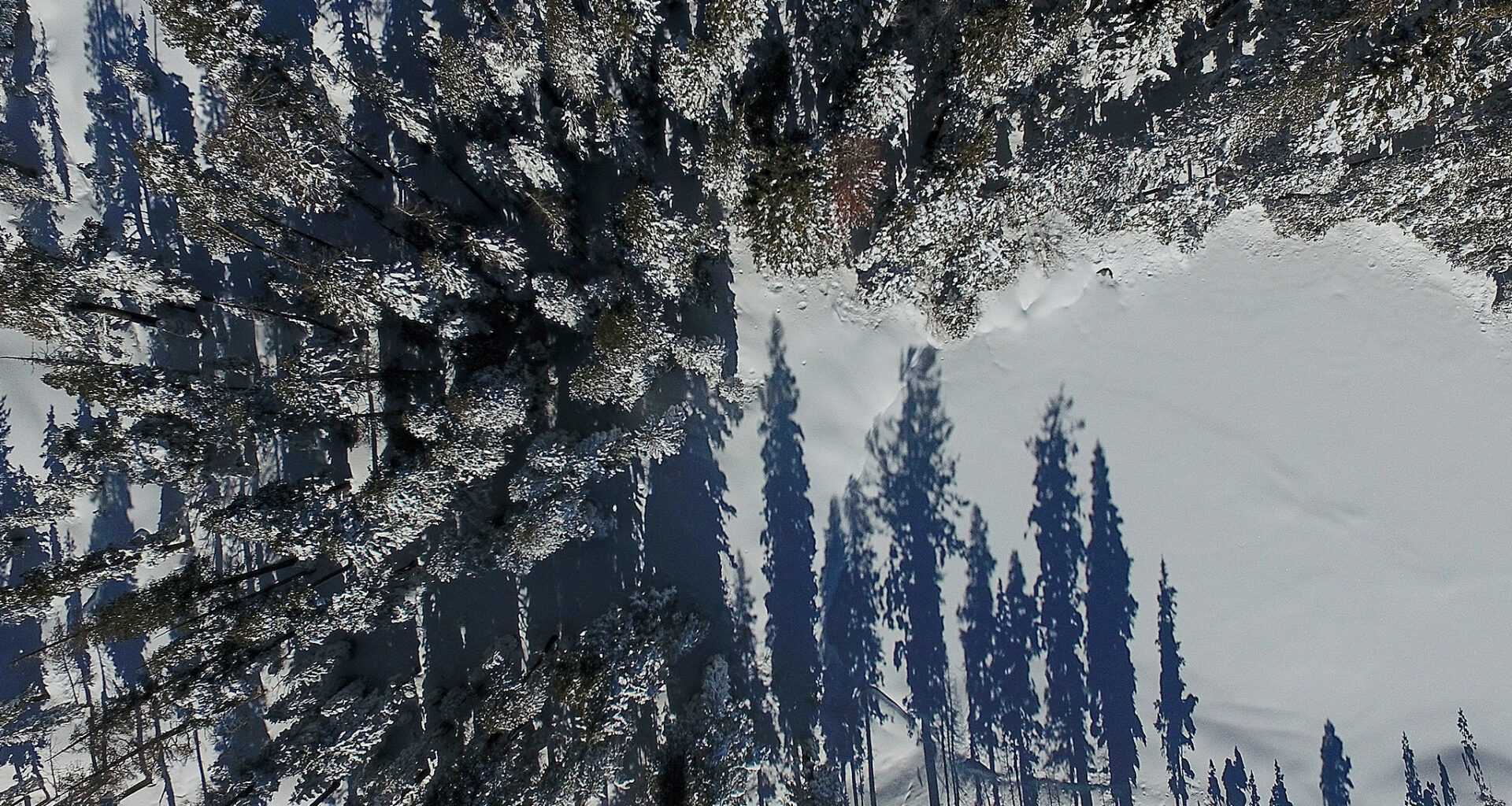
The 15 skiers on the backcountry trip just outside of Truckee included 11 clients and four guides from Blackbird Mountain Guides who were traveling together from the Frog Lake Backcountry Huts, where they had been staying, when they passed through the avalanche run zone below Perry Peak, an 8,320-foot summit near Castle Peak inside the Tahoe National Forest. At about 11 a.m., the avalanche was triggered and ran about 400 vertical feet down the mountain through trees in the area.
“The exact weak layer and crown depth for this avalanche may never be known,” the report authors wrote. “The avalanche occurred on a slope where the wind had redistributed the snowfall, piling it into drifts far deeper than the amount measured at nearby weather stations.”
The authors said it is still “unclear” whether the avalanche was triggered by the group of skiers or was a natural avalanche.
The only two members of the group to not be hit by the avalanche were slightly behind the main group after one client had an equipment issue and a guide stayed behind to help. Those two members were able to dig out the other four survivors. The nine people killed included three guides and six women, who were part of a close-knit group of friends taking part in the ski trip.
The report authors noted actions the group took included one that went against “best practice for backcountry travel.” They said the group traveled through avalanche terrain when an avalanche triggered by humans or nature was “likely to very likely” and that standard backcountry protocol mandates only one skier at a time should pass through avalanche terrain.
In this case, it appears most of the group was in the avalanche terrain at the same time. The authors also pointed out groups of four or more people have higher likelihood of being caught in an avalanche. As for the airbags some of the victims were wearing, the devices, which have to be manually set off, were never deployed, according to the search and rescue teams.
The debris field stretched 100 feet, according to first responders, and was quickly covered by newly fallen snow.
State and local investigations are also underway to determine whether any criminal charges are warranted in the deadly avalanche.
The authors concluded that report findings could change if some of the other survivors come forward or if new information is revealed.
“Many of the details surrounding this accident and the events leading up to it remain unknown,” they said.