
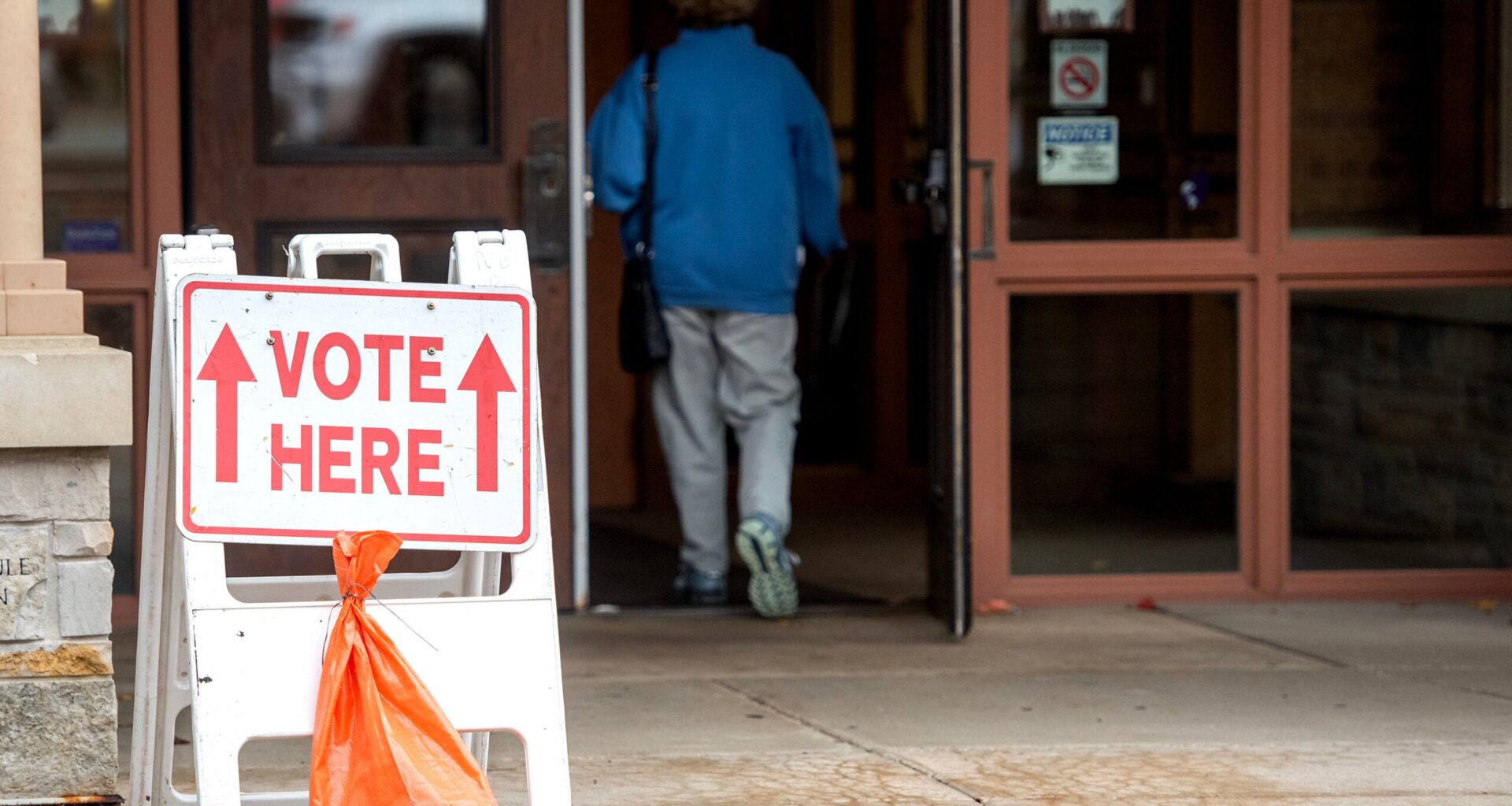
Wisconsin voters are deciding the fate of another state Supreme Court race on Tuesday, while also weighing in on a plethora of local races and referenda.
Here’s what you need to know before you head to the polls.
Who’s running for Wisconsin Supreme Court?
Understanding Wisconsin, Together.
WPR’s “Wisconsin Today” newsletter keeps you connected to the state you love without feeling overwhelmed. No paywall. No agenda. No corporate filter.
A face-off for a Wisconsin Supreme Court seat is the only statewide race on the April ballots.
That election will determine whether progressives grow or maintain their majority on the state’s highest court. Although the race is officially nonpartisan, Republican-backed Maria Lazar is competing against Democrat-backed Chris Taylor for a 10-year term.
Fundraising has been subdued compared to Wisconsin Supreme Court races, which smashed spending records in recent years past, and turnout is expected to be comparatively low.
What about local races and referendums?
There are scores of tax questions on the ballot in communities across Wisconsin. In some communities, there also contested races for local positions, including judges, school board, village trustees and county supervisors.
Click here to preview what’s on your ballot.
When and where can I vote?
Polls across Wisconsin are open from 7 a.m to 8 p.m. on Tuesday. Click here to find your polling place.
What do I need to vote?
An acceptable form of photo ID is needed to vote.
Wisconsin has same-day voter registration, which means you can register at the polls until 8 p.m. April 7.
Proof of address, like a utility bill or a driver’s license with your current address, is needed to register. Click here to check whether you’re already registered.
How do I return my absentee ballot?
Absentee ballots need to be received by 8 p.m. on election day in order to be counted, which means it’s too late to put yours in the mail.
If you’ve already returned your absentee ballot, you can track its status here.
You can still return your ballot to your local clerk’s office, polling place or absentee count location. Depending on where you live, you may also have the option to return your absentee ballot by drop box.
Wisconsin Public Radio, © Copyright 2026, Board of Regents of the University of Wisconsin System and Wisconsin Educational Communications Board.