
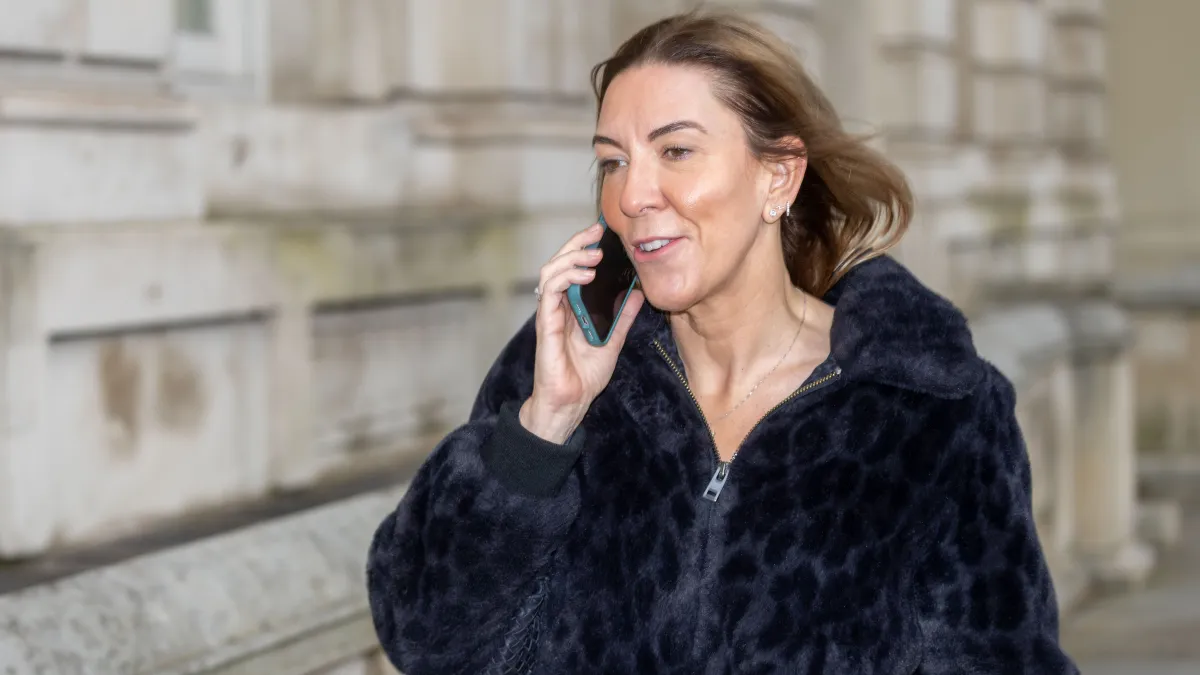
Dame Antonia Romeo has tightened her grip on No 10 and Whitehall as she became the first cabinet secretary in a decade to publish her personal objectives.
On Tuesday afternoon Romeo, who took over the role in February, set out how she saw her role as the head of the civil service, including as Sir Keir Starmer’s “principal policy adviser” and said she planned to rewrite the civil service code.
The move will be seen as an expansion of Romeo’s authority amid reports that Darren Jones, who was brought in to No 10 last September to revive Starmer’s failing operation, was spending less time in Downing Street.
 Darren JonesWIKTOR SZYMANOWICZ/FUTURE PUBLISHING/GETTY IMAGES
Jones’s job as chief secretary to the prime minister was in part created to counter the former cabinet secretary Sir Chris Wormald, who was seen as ineffective.
Some of Romeo’s objectives, such as work on standards and ethics, driving policy priorities through, and creating a leaner civil service, had fallen under Jones’s remit as part of Starmer’s “reset” of No 10 last year.
The Financial Times, which first reported on Jones’s step back, said there had been no falling-out between Jones and Starmer.
Whitehall sources told The Times it was a case of Romeo being more hands-on than her predecessor, and therefore Jones could concentrate on other parts of his role.
One Whitehall source said: “Antonia’s background is running operational departments and she has a reputation for being a hands-on leader and getting things done. She’ll be working closely with her top team of permanent secretaries to make things happen.
“Her hands-on approach means that she gets heavily involved in the big policy issues of the day. For any big issues the government faces, you can expect her to be totally across the detail, and the PM would expect this.”
They pointed to her work at the Ministry of Justice when responding to the violent disorder in the summer of 2024, and the crisis over prison capacity.
The source added: “She is back and forth between her office and No 10 daily to focus on the issues of the day, advising the prime minister on how to deliver his priorities, and then outside the room setting direction with the official machine.”
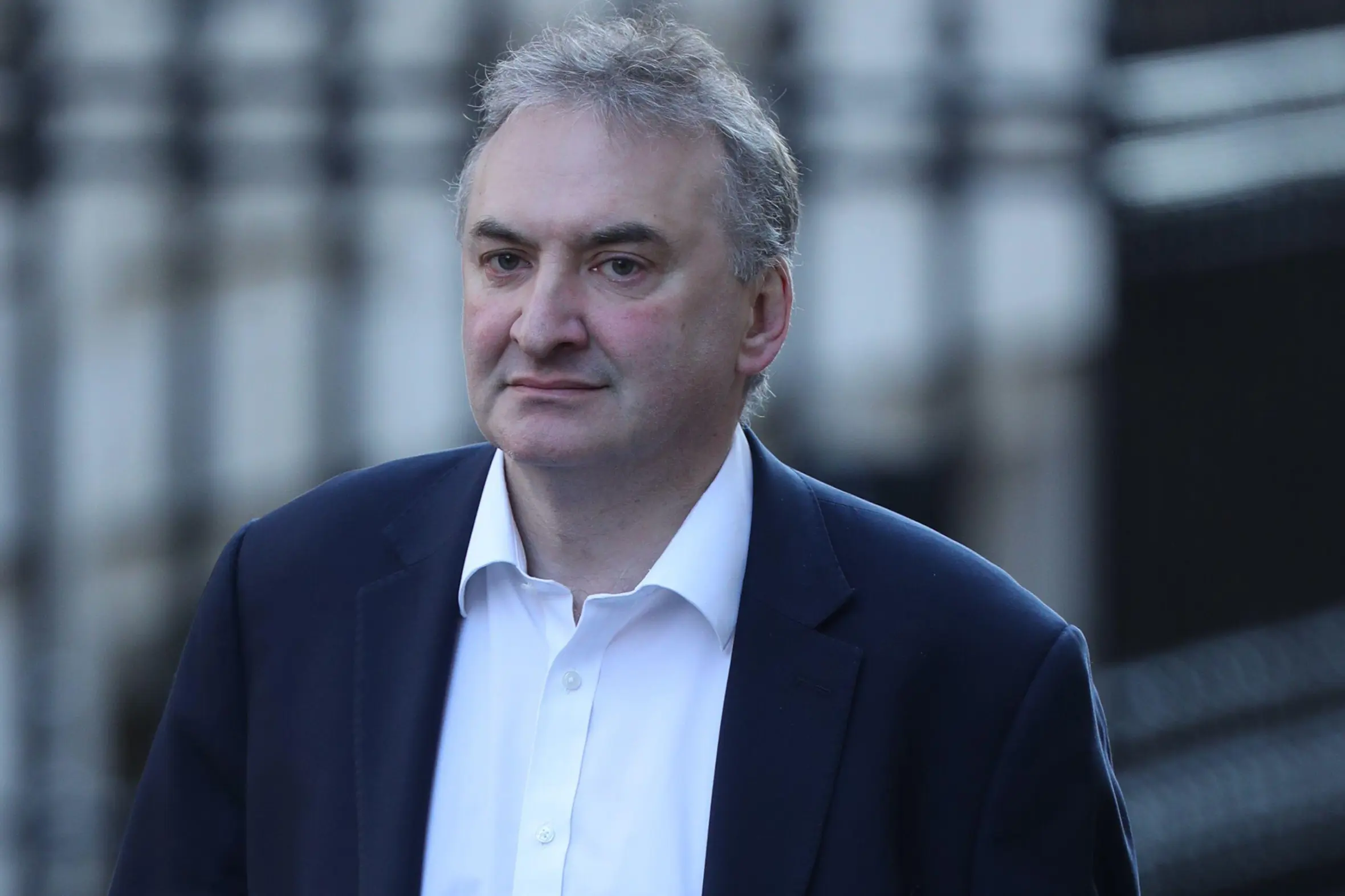 Sir Chris Wormald was seen as an ineffective cabinet secretaryAlamy
Romeo’s decision to publish her objectives will draw comparisons to Lord Heywood, widely regarded as the most powerful cabinet secretary of the modern era and the last head of the civil service to publish his annual goals.
Heywood served four prime ministers — Tony Blair, Gordon Brown, David Cameron and Theresa May — and was recognised for his unrivalled ability to push reforms and policies through Whitehall. He presided over an overhaul of the Cabinet Office and gave the centre of government far greater grip over departments.
Alex Thomas, the executive director at the Institute for Government who was also principal private secretary to Heywood, said setting out the objectives publicly was “a really good thing to do” and cemented Romeo’s authority, but it did break the pattern of recent years where cabinet secretaries had appeared to prefer to stay in the shadows.
He said: “One of the things that’s really struck me for quite a few years now really is that successive prime ministers haven’t really known how to use the role of cabinet secretary and almost haven’t known what they’ve missed.
Politics newsletter
Get our daily insider’s guide to Westminster, plus a rundown of PMQs every Wednesday.
Sign up with one click
“So [it’s] that person who does have the authority to coalesce the whole system together, to make the phone calls that only the cabinet secretary can make, and to crack heads together in a way that only the top person can do.”
He said reports that the increasing authority of Romeo had meant Jones was spending less time in No 10 was “a good thing if that’s a sign of the system working”.
He added: “The centre should be authoritative, the centre should be powerful. It’s crazy to think otherwise.”
It is understood Romeo published the objectives she agreed with Starmer to improve transparency and accountability. They include reforming the civil service through the use of AI and overhauling the Cabinet Office “to be a leaner, more agile strategic centre”.
The objectives say Romeo will “act as the prime minister’s principal policy adviser across the full range of issues facing the government, drawing on expertise from departments, other sectors, and international best practice to develop creative policy solutions”.
She will also “refresh the civil service code to ensure it is up to date, well understood, and adhered to across the civil service”.
Thomas said the goal of having a “curious” civil service was positive and, although it could be seen as controversial, he also agreed with the view that Romeo should oversee stewardship of the constitution.
“It flirts with territory that has caused controversy in the past,” he said. “Francis Maude got very angry with a permanent secretary job description once that implied that it was for the civil servants to be the stewards rather than here today, gone tomorrow, ministers, that kind of thing.”
However, he added: “I think that is what the cabinet secretary should be leading the civil service to do.”
He also praised her aim to be an ambassador for the civil service.
“Chris Wormald in particular, I think, just did not conceive of the cabinet secretary as a public-facing job at all and I think that that genie is out of the bottle,” he said. “The cabinet secretary, they shouldn’t be going around making lots of policy speeches or anything, but it’s a big job, it’s leading half a million people, there’s always going to be public interest in it.
“It requires somebody who can speak publicly on behalf of the civil service.”
He added: “The question is how will she be evaluated to the success of these things? And secondly, does she have the institutional authority to make this happen? Even a powerful Cabinet Secretary will meet resistance from other bits of government, from other permanent secretaries, from all the institutions.”