
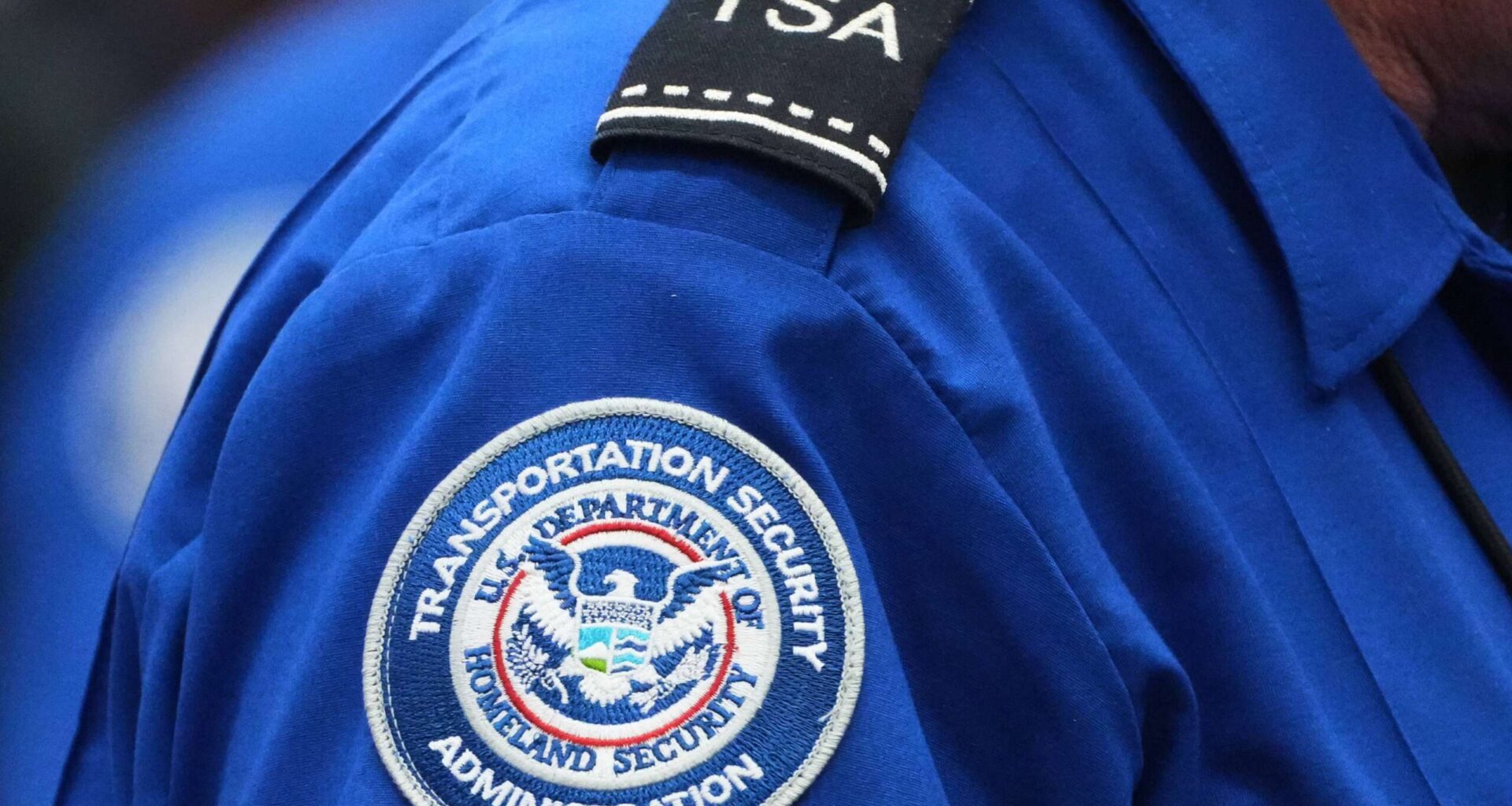
The Trump administration plans to start privatizing Transportation Security Administration security screeners by requiring smaller airports across the country to use contract screeners approved by TSA.
TSA’s fiscal 2027 budget justification shows the agency would cut roughly 8,400 positions out of 61,000 at the agency, representing about a 14% decrease in the TSA workforce compared to the 2026 budget. The documents show the request would reduce TSA’s budget for personnel costs by about $529 million.
But TSA would re-direct most of that funding, approximately $477 million, toward its Screening Partnership Program. Under the SPP, the agency contracts with private companies to run screening operations at select airports.
The expansion of SPP “begins the privatization of TSA’s airport screeners,” according to the Office of Management and Budget overview.
]]>
Currently, 20 U.S. airports use private contractors under SPP, while 27 companies are approved to compete for work under the program. Meanwhile, approximately 440 airports are federalized and rely on TSA screeners.
The 2027 budget request’s expansion of SPP would require all category III and category IV airports to enroll in the program.
TSA categorizes airports based on different risk factors, including passenger throughput. While TSA doesn’t maintain a public list of all categorized airports, a 2025 report to Congress on screening technology upgrades at 228 airports shows that the category III and IV locations tend to be smaller regional and county airports. Meanwhile, larger regional airports and international airports tend to be classified as category I or II, while the largest airports in the country are in the “X” category.
In that partial list of 228 airports, 21% were listed in category III, while 7% were in category IV.
The expansion of private screening to the smaller airports will “improve operational flexibility, drive innovation, and utilize private sector efficiencies under continued federal oversight,” TSA writes in budget justification documents.
“The increased SPP funding will address transition costs, contractor procurement, staff training, and technology upgrades required for the shift to private screening services, while the reduction in TSO compensation and benefits reflect the decreased need for federal screening personnel at these airports,” the explanation continues.
The budget justification documents put more details around a push by the Trump administration to overhaul TSA operations. Last year, acting TSA administrator Ha Nguyen McNeill said “nothing is off the table” regarding potential privatization of airport screening functions. Project 2025, which OMB Director Russell Vought contributed to, also calls for privatizing TSA.
]]>
Under Trump, the Department of Homeland Security is also following Project 2025’s call to eliminate union rights for TSA airport screeners. That effort is being challenged in federal court.
Meanwhile, long wait times at some airport screening lines during the ongoing DHS shutdown have amplified arguments to privatize TSA screening.
With TSA screeners going unpaid for more than 40 days this spring, news articles and industry advocates have highlighted how airports that use SPP did not experience delays, as the private contractors were able to continue paying their employees through the shutdown.
“I do think we need to collect more data to support how big the [SPP] program should get, but I do think a program expansion is likely in order, particularly as we’ve had several shutdowns just this fiscal year,” Stephanie Kostro, president of the Professional Services Council, said on the Federal Drive with Terry Gerton late last month.
Meanwhile, the union that represents TSA airport screeners, the American Federation of Government Employees, has pushed back strongly against calls to privatize TSA screening operations.
“I would not personally want to fly if I knew the whole entire system was privatized, because it’s just not safe for the American people,” Johnny Jones, the secretary-treasurer of AFGE’s TSA Council 100, said during a press call in March. “Whenever you put profit before people and security, because that’s all privatization is – the bottom line is for profit.”
Copyright
© 2026 Federal News Network. All rights reserved. This website is not intended for users located within the European Economic Area.