
SUMMARY
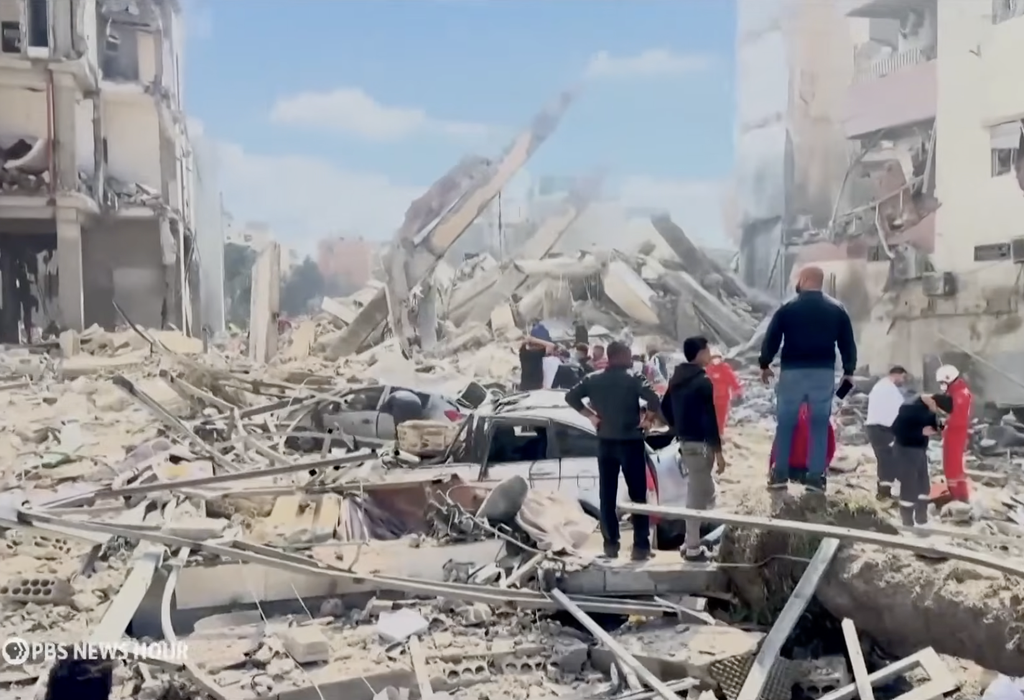
For the first time in more than five weeks, the U.S. did not launch widespread attacks on Iran, and Iran did not strike American targets. However, confusion and tension are growing around the fragile ceasefire between the U.S. and Iran amid Israel’s ongoing strikes in Lebanon. Geoff Bennett discussed more with special correspondents Reza Sayah in Tehran and Simona Foltyn in Beirut.
View the transcript of the story.
NOTE: If you are short on time, watch the video and complete this See, Think, Wonder activity: What did you notice? What did the story make you think about? What would you want to learn more about?
News alternative: Check out recent segments from the News Hour, and choose the story you’re most interested in watching. You can make a Google doc copy of discussion questions that work for any of the stories here.
To better understand the current conflict, read PBS News Hour Classroom’s Backgrounder: History of Iran — Late 19th century to present, contributed by members of the World History Association.
WARM-UP QUESTIONSWhere are the following places located on this map?: Iran, Israel, Lebanon, Strait of HormuzWhy did Iran close the Strait of Hormuz initially? Why are they now considering shutting it down again, according to Reza Sayah?What are the demands by both the U.S. and Iran that make the ceasefire so fragile, according to Sayah?Who has been heavily affected by Israel’s strikes on Lebanon, according to Simona Foltyn?How has Israel broadened its attacks on Lebanon and why, according to Foltyn?ESSENTIAL QUESTIONSWhat do you think needs to happen to make the ceasefire successful?Do you think Israel’s attacks on Beirut and southern Lebanon should be part of the ceasefire agreement? Why or why not?
Media literacy:
Unlike many reporters from major U.S. news outlets, News Hour’s two special correspondents interviewed for this piece are not embedded with any military force (embedded members of the press are often provided with greater protection and safer passage). Why do you think war correspondents would take such risks to their safety?WHAT STUDENTS CAN DOTo learn more about why Israel is attacking Beirut and southern Lebanon, read this article in The Conversation, Israeli threats to occupy or annex south Lebanon dust off a decades‑old playbook.Watch News Hour’s U.S.-Iran ceasefire tested by Strait of Hormuz tension and Israel’s war in Lebanon (6m:23s) to learn more about why the ceasefire remains fragile.After the U.S. and Israel launched their joint attack on Iran in February, Iran launched a series of drone attacks and missile threats to effectively close the Strait of Hormuz to most traffic. Learn more about the importance of the Strait of Hormuz here (2m:44s):
Sign up to receive our weekly newsletter with Daily News Lessons and community events.
To provide feedback on News Hour Classroom’s resources, including this lesson, click here.