
The U.K. said “no” to Ye’s “comeback.” Much of America said “yes.” And he said mostly nothing. Now we’re left with more questions than answers.
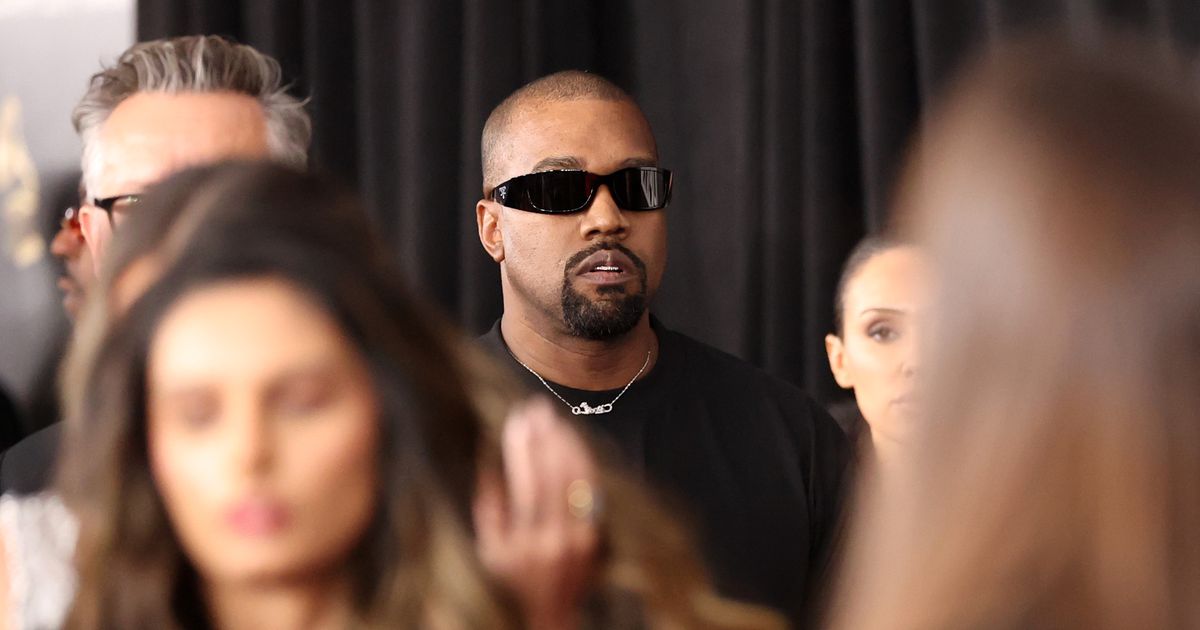
Photo: Matt Winkelmeyer/Getty Images
The rapper formerly known as Kanye West wants the world to know he aspires to “earn your forgiveness,” but it’s a touch-and-go initiative. His redemption tour was warmly received in America, but he was banned from the U.K. in the span of a week. After releasing his 12th album, Bully, on March 28, he played two high-grossing, widely covered shows at Los Angeles’s SoFi Stadium a few days later that seemed to solidify a sense that he was enjoying a successful uncancellation. But his new world tour met its first major challenge when British prime minister Keir Starmer expressed concern on Sunday over the artist headlining this summer’s Wireless Festival in London given Ye’s prior antisemitism. Sponsors began seeing themselves out on Monday, and the entire festival was quickly canceled after news of Ye’s ban broke on Tuesday. A comeback is underway that hasn’t won over all the world leaders it needs to; some worry that Ye remains a vessel for mass-media hate speech. He hasn’t been allowed in Australia since 2024, and a planned show in Brazil fell apart along with its permit. But he’s not lobbying hard enough to produce more favorable results than this.
In January, he took out a full-page Wall Street Journal ad to address some of the fallout from his campaign of offending the planet. He focused on the past couple of years of a protracted preoccupation with the iconography and, eventually, the ideology of extremism, culminating last spring in his selling T-shirts emblazoned with swastikas and releasing a song called “Heil Hitler.” The letter followed footage from November of Ye meeting with a rabbi. It partly attributes his turn to Christian nationalism and Nazism to an undiagnosed brain injury caused by his 2002 car crash, which exacerbated his diagnosed bipolar disorder. But the apology dropping in the prerelease stretch of his album launch made it look like a strategic push for image reform. He cited streaming stats in his rebuttal to this suspicion in an email interview with Vanity Fair in late January: “My 2007 album, Graduation, was … the most listened-to and streamed hip-hop album of 2025. This, for me, as evidenced by the letter, isn’t about reviving my commerciality.” Ye’s fleeting engagement with people who worry that he’ll change his mind about making amends again seeds apprehensions about his intentions for the rest of his global promotional activities.
We’re more privy to his promo plans than we are to how he’s repairing the numerous bridges he has burned, as he says he would like to. Bully gestures sporadically to a change of heart and gospel-coated renewal but spends much of its time locating a safer balance of faith and incorrigibility than Ye displayed in 2025. (The album doesn’t necessarily need to sell people on that pivot, but something ought to.) And at the L.A. shows, he proved he can grace public forums without grabbing the nearest ideological third rail. This comeback doesn’t seem to be changing anyone’s mind: If you feel he uses bipolar disorder to shield himself from criticism of his MAGA-era slur and swastika kick, his letter may turn you off with its attempts to flesh out connections between his diagnoses, treatment routines, and loops of attention-seeking, inflammatory behavior. But if you believe he’s a fundamentally decent guy who’s just not entirely in control of his actions whenever they clearly undermine his interests, you still will. In a country like the U.S. that can barely be bothered with curbing offensive rhetoric, Ye gets a pass. In a country like the U.K. that is (quite carelessly) sorting out what is and isn’t hate speech and what to do if it shows up, he presents a golden opportunity to rebuke a once-enthusiastic taboo breaker. The bifurcated American and British Bully tour’s responses are both fruits of letting everyone sketch out the contours of Ye’s new mind-set in their imaginations.
Ye has yet to say anything this year that could upset the unusual ecosystem of admirers he maintains. They are a legion of music-marketing obsessives, zoomer and millennial rap-forum and sneaker heads, manosphere jocks, and political actors in search of a whale or a Trojan horse for unpopular views and projects. The firebrands Ye used to run with, like Candace Owens and Nick Fuentes, who paraded him around in a deliberate theater of pushing pop-culture boundaries, see his success now as an enduring middle finger; the listener with mostly diametrically opposing politics gets to hear Ye admitting that he wasn’t himself back then, that he joins us in feeling mortified. What we have yet to hear from him is what the accountability he mentioned in January is supposed to look like. He offered to meet British Jewish community leaders seemingly only after remarks from Starmer pointed to problems for his Wireless booking. This does not suggest any considerate follow-through on Ye’s part regarding making things right, and it leaves the onus on the offended to come to the table. We haven’t heard about any such talks surrounding other hateful acts, like an interview with DJ Akademiks last March to which Ye wore a KKK hood and robe. He’s not addressing how instrumental he was in allowing MAGA grifters to gain traction in hip-hop media. The lawsuits and claims against Ye alleging sexual assault and battery, unpaid work, and unfair firing also call his character into question. There’s more to answer for than just racist rhetoric and its reach.
It’s notable that Ye is responding expediently and kindly to negative press now but also that he didn’t see it coming. Clamming up and speaking only sparingly off-the-cuff the way he has was not a wise approach for the same U.K. government that considered charges of terrorism after the Irish rap trio Kneecap displayed pro-Palestine, anti-Israel messaging at Glastonbury last summer. But the American rapper who invited a gospel choir to sing on his pro-Hitler single needed only to say he’s leaving that phase behind to rally the fandom in a U.S. stadium for his first gig here in five years. (If he didn’t need sponsors to book the biggest stadiums, he’d have been filling them all along. If he played Wireless, he’d generate the same perhaps unintentionally nostalgia-whetting press as in the States, where after the first date at SoFi, news outlets reported that for the first time in ages, the only person Ye offended was a lighting guy. Some of the coverage this cycle is, not unlike sponsors nowadays, hanging out waiting to see how this whole Ye thing goes over, unsure what to make of it as it happens.)
He is wishing aloud for the chance to promote healing, but the plan seems to revolve around receiving millions of dollars to carry out his day job, a restoration of pre-2022 conditions. Ye’s motivations appear careerist whether internally they are or aren’t. He had time to rerecord leaked Bully vocals fans had criticized for using AI but didn’t, from the January letter to the April ban, manage to make inroads toward getting back into the U.K. Ye is suddenly trying not to cause a scene around a rollout for what feels like the first time, but his apology tour nevertheless quietly carries the hallmarks of one of his white-knuckle, ever-changing albums or long-gestating merch drops. His goal of addressing past harm and returning to loftier creative and commercial exploits has been revealed. But it could take weeks to months to years of microscopic adjustments, pieces coming haphazardly together or apart, to truly chip away at the animosity bought by Ye’s too-hateful-for-garden-variety-white-supremacists era, if this is truly the end of it. He does not have this much time to work with, though. He has other tour dates creeping up — next stop being India in late May — that invite curiosity about how this dialogue will play out across the remaining locations on his itinerary.
Sign up for the Vulture Daily
An entertainment newsletter for the pop-culture obsessed.
Vox Media, LLC Terms and Privacy Notice
Related