
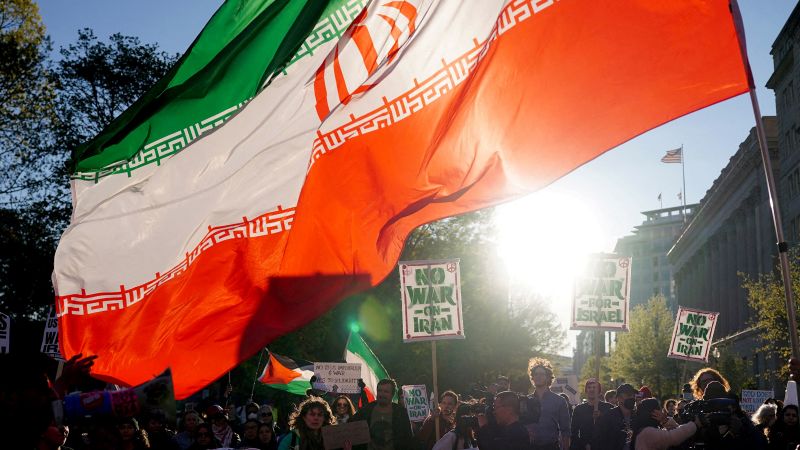
This weekend’s talks to end the war with Iran are some of the most high-stakes negotiations not just of Donald Trump’s presidencies, but of recent American history.
One big problem, though: The US can’t even seem to agree with Iran on what they agreed to for the ceasefire.
The two-week truce seemed to come together rapidly on Tuesday, just hours before Trump’s 8 p.m. ET deadline for Iran to make a deal or else face the death of its “whole civilization.”
And if the ceasefire seemed a bit hasty on Tuesday, it looks a lot more so today.
The first two days of the truce not only haven’t gone smoothly — the Strait of Hormuz has remained a logjam, and attacks are still raining in the region — but they’ve also been marked by major disagreements about the terms of the agreement.
All of which would seem to augur quite poorly for negotiations over a more permanent peace.
Let’s recap.
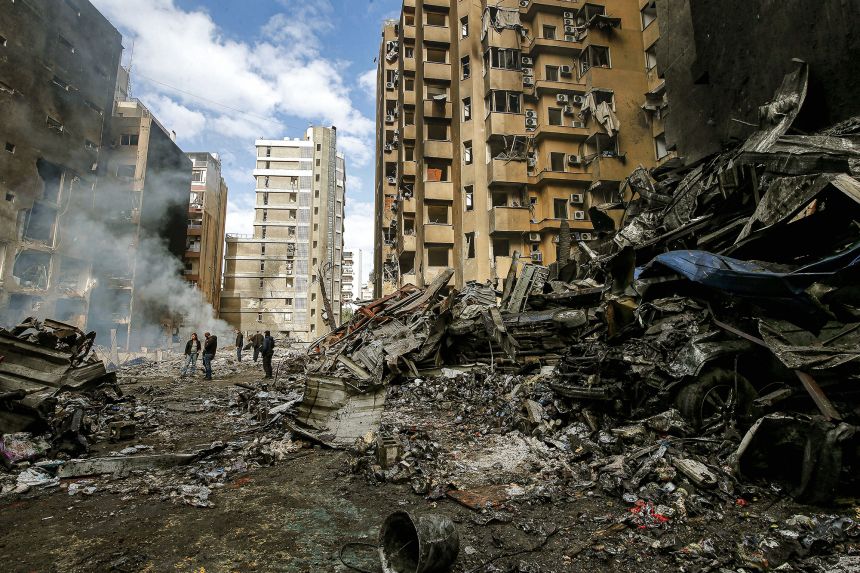
Perhaps the biggest problem looming over the ceasefire isn’t what’s happening in Iran. It’s the fact that Israel unleashed extensive attacks against Iran’s Hezbollah allies in Lebanon on Wednesday.
Iran says this violates the ceasefire; the United States and Israel say Lebanon wasn’t part of the deal.
When Pakistani Prime Minister Shehbaz Sharif first announced the ceasefire on Tuesday, he specified that Lebanon was a part of it.
He wrote on X that all parties had “agreed to an immediate ceasefire everywhere including Lebanon and elsewhere, EFFECTIVE IMMEDIATELY.”
But Israel resumed its offensive in Lebanon in the hours after the ceasefire was announced and disputed that Lebanon was part of the deal.
Wednesday morning, Trump told PBS News Hour that Lebanon was not included in the ceasefire. “Because of Hezbollah, they were not included in the deal,” he said, calling what was happening in Lebanon a “separate skirmish.”
White House press secretary Karoline Leavitt echoed that “Lebanon is not part of the ceasefire” from the briefing room podium that afternoon.
But Tehran is still insisting that what Pakistan’s prime minister said was right, with multiple high-ranking Iranian officials saying Israel is violating the ceasefire.
Iranian President Masoud Pezeshkian on Thursday called the Lebanon strikes “a flagrant violation of the initial ceasefire agreement and a dangerous indicator of deceit and lack of commitment to potential accords.”
Vice President JD Vance on Wednesday tried to chalk up the dispute to “a legitimate misunderstanding.”
But importantly, Iran is getting some backup from Pakistan — the intermediary the United States chose to work through. Pakistan is standing by the claim that Lebanon was part of the deal. And it continued to do so Thursday morning.
In a statement, Pakistan’s Ministry of Foreign Affairs cast what’s happening in Lebanon as “serious violations of the ceasefire.”
And the plot has thickened even more. CNN confirmed Thursday morning that top Trump administration officials had been in contact with Pakistan throughout the day Tuesday about what the US wanted to see from a ceasefire and had largely signed off on specific elements of Sharif’s post.
Some had speculated that one of Sharif’s posts was drafted by the United States, given it was initially posted with the header “*Draft – Pakistan’s PM Message on X*.” The White House denies it was involved in writing the post and said the president didn’t see it until it was released.
There are two main possible explanations. One is that Lebanon was originally supposed to be part of the deal, but Israel didn’t want that. The other is that Vance is right that this is a mix-up.
One interesting development: CNN reported Thursday that Trump and Benjamin Netanyahu spoke on Wednesday, during which the US president asked the Israeli prime minister to scale back attacks in Lebanon and enter into negotiations with Lebanon about disarming Hezbollah.
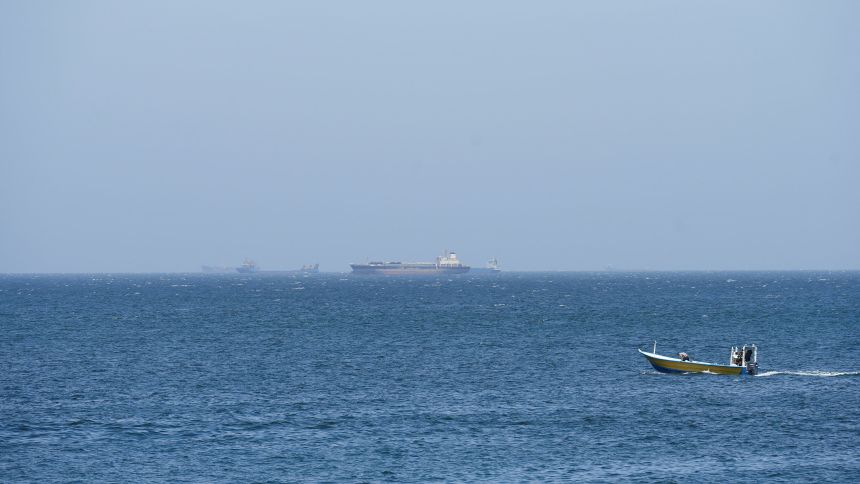
One of the most striking aspects of the ceasefire was that it seemed to give Iran something it never had before the war: control of the Strait of Hormuz (at least temporarily).
As CNN’s Fareed Zakaria noted, that would be a very big deal. Iran has shown just how much leverage it has by holding the world economy hostage in the critical waterway.
Iran said in a statement Tuesday night that passage through the strait “will be possible via coordination with Iran’s Armed Forces and with due consideration of technical limitations.”
And Trump seemed to agree to that. He posted Iran’s statement to Truth Social Tuesday night. And while he said in his initial announcement of the ceasefire that it was conditional on the “complete, immediate, and safe opening” of the strait, he notably didn’t demand that Iran relinquish control.
Indeed, in an interview with ABC News on Wednesday morning, he spoke about “a joint venture” in which the US and Iran would charge tolls for ships to pass.
But by Wednesday afternoon, after it became clear that the strait was anything but free-flowing, Leavitt seemed to suggest the deal was that it be completely open. She said the US would negotiate “so long as the Strait of Hormuz remains open with no limitations or delays,” while also disputing that the strait wasn’t open.
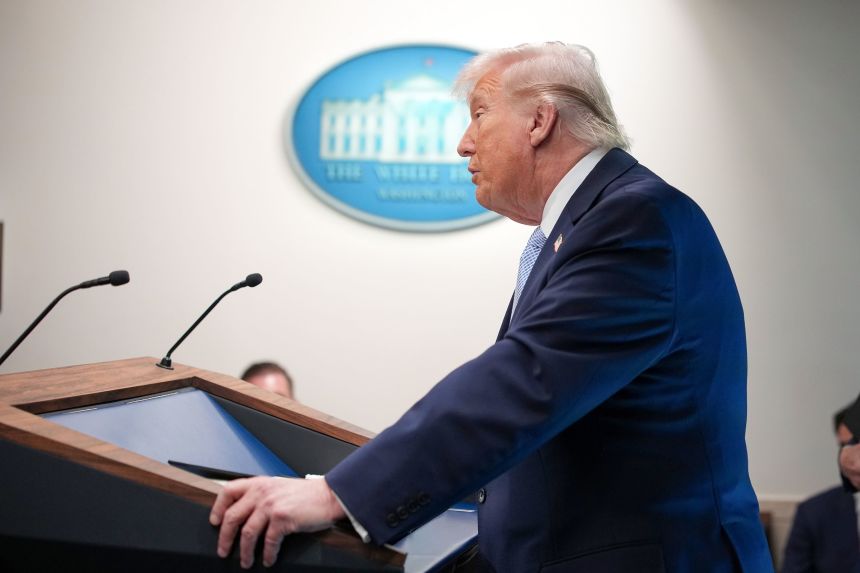
Trump in his statement Tuesday night cited “a 10-point proposal from Iran,” which he called “a workable basis on which to negotiate.”
But then Iran began sharing a 10-point list that looked a whole lot like a grab bag of Iranian demands — the kinds of things the United States could never agree to.
By Wednesday afternoon, Leavitt said Trump had been referring to a different 10-point proposal from Iran that was more serious.
“They put forward a more reasonable and entirely different and condensed plan to the president and his team,” Leavitt said. “President Trump and the team determined the new modified plan was a workable basis on which to negotiate and to align it with our own 15-point proposal.”
But Leavitt and the White House have not offered details about what is supposedly in this updated proposal.
And meanwhile, Iran keeps making clear it believes the 10 points it shared publicly are what Trump was referring to. On Wednesday afternoon, it pointed to supposed violations of the 10-point proposal, including via Israel’s strikes in Lebanon and the Trump administration saying Iran will have no right to enrich uranium.
“Now, the very ‘workable basis on which to negotiate’ has been openly and clearly violated,” read a message posted by Iranian Parliament Speaker Mohammad Bagher Ghalibaf on Wednesday, “even before the negotiations began.”
Indeed, it’s looking more like the supposed “workable basis” for a big deal to end the war wasn’t very workable at all.