
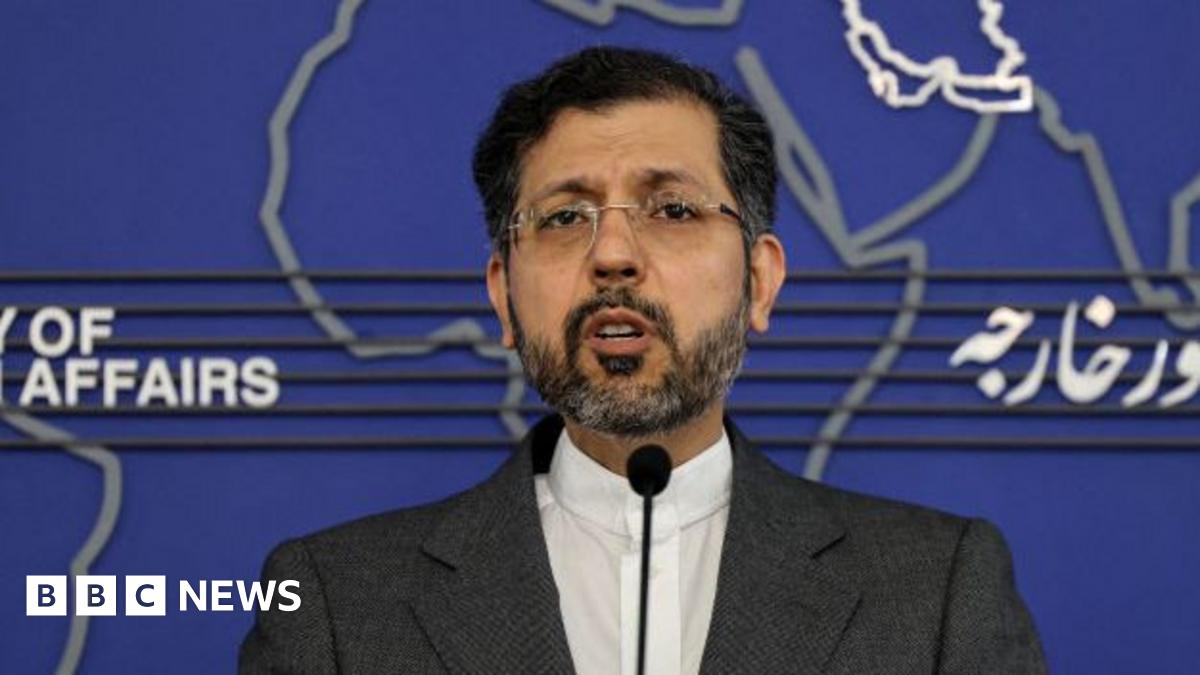
Khatibzadeh said Tehran had sent a “crystal clear” message to the White House late on Wednesday which could be summarised as “you cannot have cake and eat it at the same time”.
“You cannot ask for a ceasefire and then accept terms and conditions, accept all the areas that a ceasefire is applied to, and name Lebanon, exactly Lebanon in that, and then your ally just starts a massacre.”
UN Secretary General António Guterres is among those who have said that the ongoing fighting in Lebanon could undermine talks between the US and Iran that are due to happen on Friday in Pakistan, which negotiated the ceasefire.
The latest escalation in the decades-long conflict between Hezbollah and Israel erupted when the group fired rockets into Israel in retaliation for the killing of Iran’s supreme leader Ayatollah Ali Khamenei in the opening stages of the war, and in response to the near-daily Israeli attacks on Lebanon that have continued despite a ceasefire, which was agreed in November 2024.
More than 1,700 people have been killed, including at least 130 children, so far as a result of the war, the Lebanese health ministry says, without distinguishing combatants from civilians.
Israel says it has killed around 1,100 Hezbollah fighters.
Over 1.2 million people have been displaced, or one in five of the population, most of them from Shia Muslim communities.