

Listen to this article
Estimated 4 minutes
The audio version of this article is generated by AI-based technology. Mispronunciations can occur. We are working with our partners to continually review and improve the results.
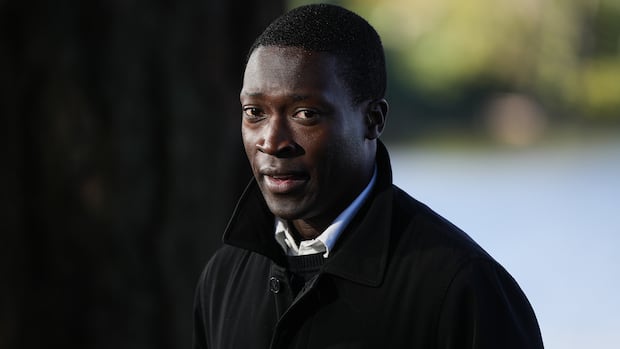
A B.C. NDP MLA bill has signalled he will withdraw a controversial bill that intended to speed up housing approvals by restricting the ability of municipalities to peer review development applications that were certified by professionals.
The Professional Reliance Act was introduced by Nanaimo-Lantzville MLA George Anderson, who previously told CBC News it sought to reduce delays in the housing approval pipeline by cutting out unnecessary duplication.
It was thoroughly criticized — both by mayors who said it was an example of the province’s overreach into municipalities’ jurisdiction, and professional organizations who said it would expose registered professionals to increased liability.
More than 500 stakeholder submissions were received by a legislative committee that was studying the bill, and nearly nine in 10 were opposed, with some officials saying a lack of municipal peer review could jeopardize public safety.
WATCH | Bill would have removed need for professional peer review: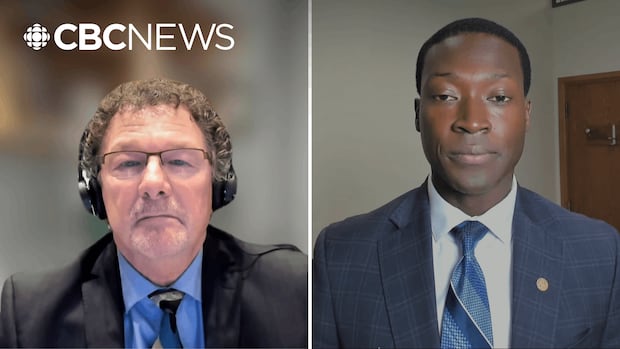
Controversial B.C. bill removes need for professional peer reviews on development
A private member’s bill from the B.C. NDP’s George Anderson is currently up for public comment. Bill M-216, known as the Professional Reliance Act, would mean a local government must accept any technical submission certified by a professional registered under the Professional Governance Act for a development project approval process. Anderson said the bill would help speed up housing construction in the province, even as Abbotsford West Conservative MLA Korky Neufeld said that local context is critical in housing approvals.
On Thursday, Anderson sent the committee a letter saying the Housing Ministry had resolved to working on the “core policy principles” that the bill proposed, and that the bill should be pulled from consideration with that in mind.
“I want to thank the local governments, organizations, professionals and individuals who engaged with this bill. Their input helped strengthen this discussion and will matter as this work continues,” Anderson wrote in a statement shared by the B.C. NDP.
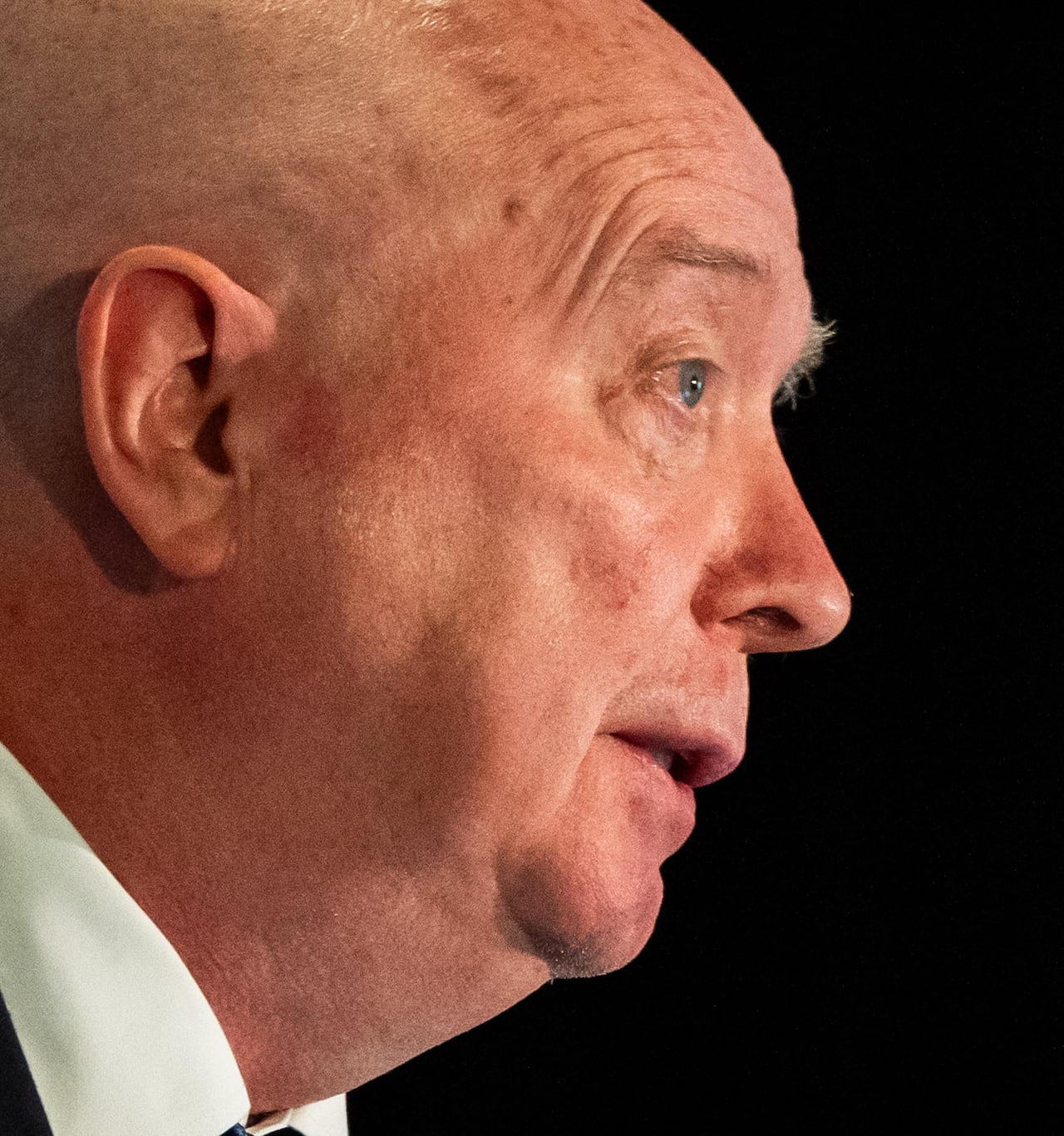 Burnaby Mayor Mike Hurley said the bill was an example of provincial overreach into municipalities’ powers. (Ethan Cairns/CBC)
The withdrawal of the bill was praised by Burnaby Mayor Mike Hurley — one of many elected officials who said the bill showed the province’s continued overreach into municipalities’ housing plans.
“I was never convinced [of] what they were trying to fix, and what was so broken that they were trying to fix,” he told CBC News on Thursday.
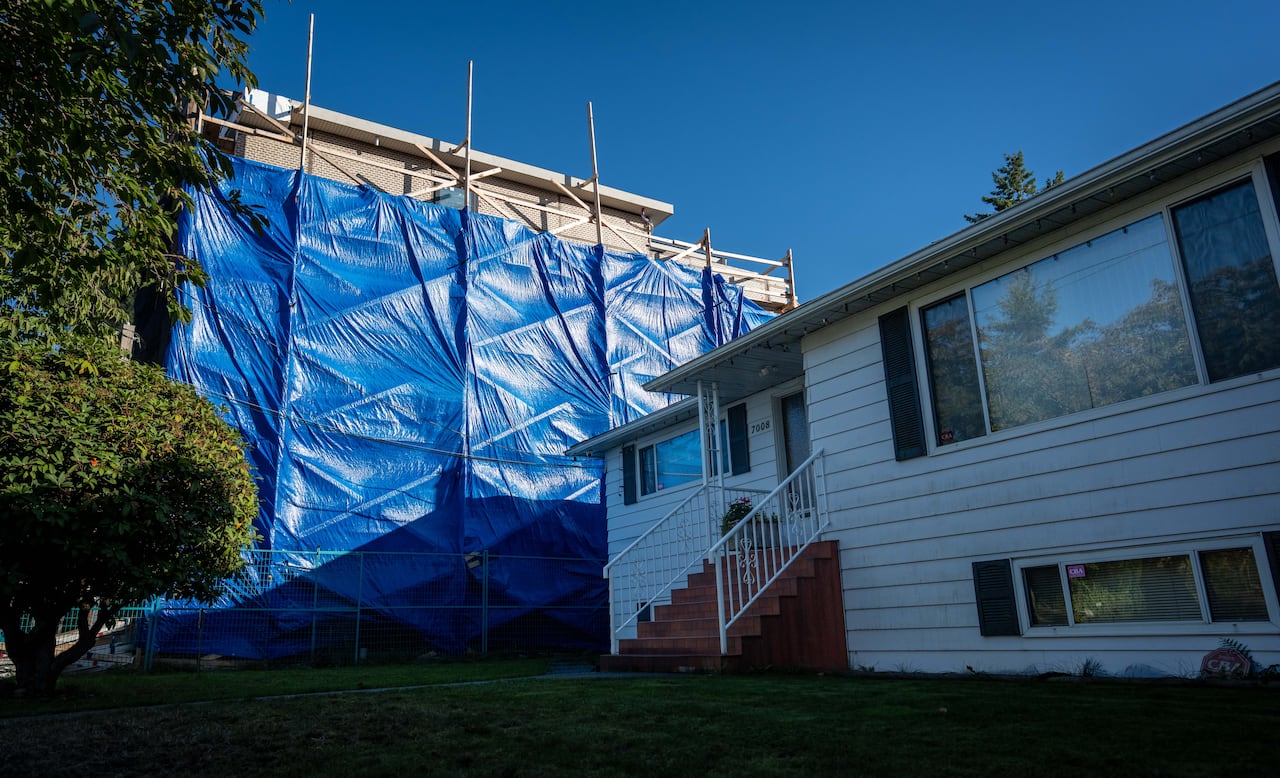 Hurley said that municipalities often have to review the work of professionals, some of whom may not have the local context required. (Ben Nelms/CBC)
Hurley said that cities often have to review the work of development permits submitted by certified professionals, saying some of them don’t have the local context required to make the permits fit within zoning bylaws.
“We’re very happy to work with people to get those things done. But when you take local control out of that, then I really think you lose a lot,” Hurley said.
In submissions to the legislative committee, the District of Sechelt’s chief building official offered examples of mistakes caught by municipal review before being approved.
Those included a six-storey apartment without accessible ramps or lifts and a parkade proposed “without a mechanical ventilation system to remove vehicle exhaust and carbon monoxide.”
Increased liability
In his statement, Anderson argued that the “most expensive material in construction is delay,” and removing the need for cities to peer review the work of certified professionals would help speed up housing approvals.
The length of time needed to get permits has been a frequent complaint of home-builders who say red tape could be slowing down new housing construction in B.C.
Anderson’s bill, as originally written, would have meant a local government must accept any technical submission certified by a professional registered under the Professional Governance Act (PGA) for a development project approval process — unless the submission is incomplete or a complaint is made.
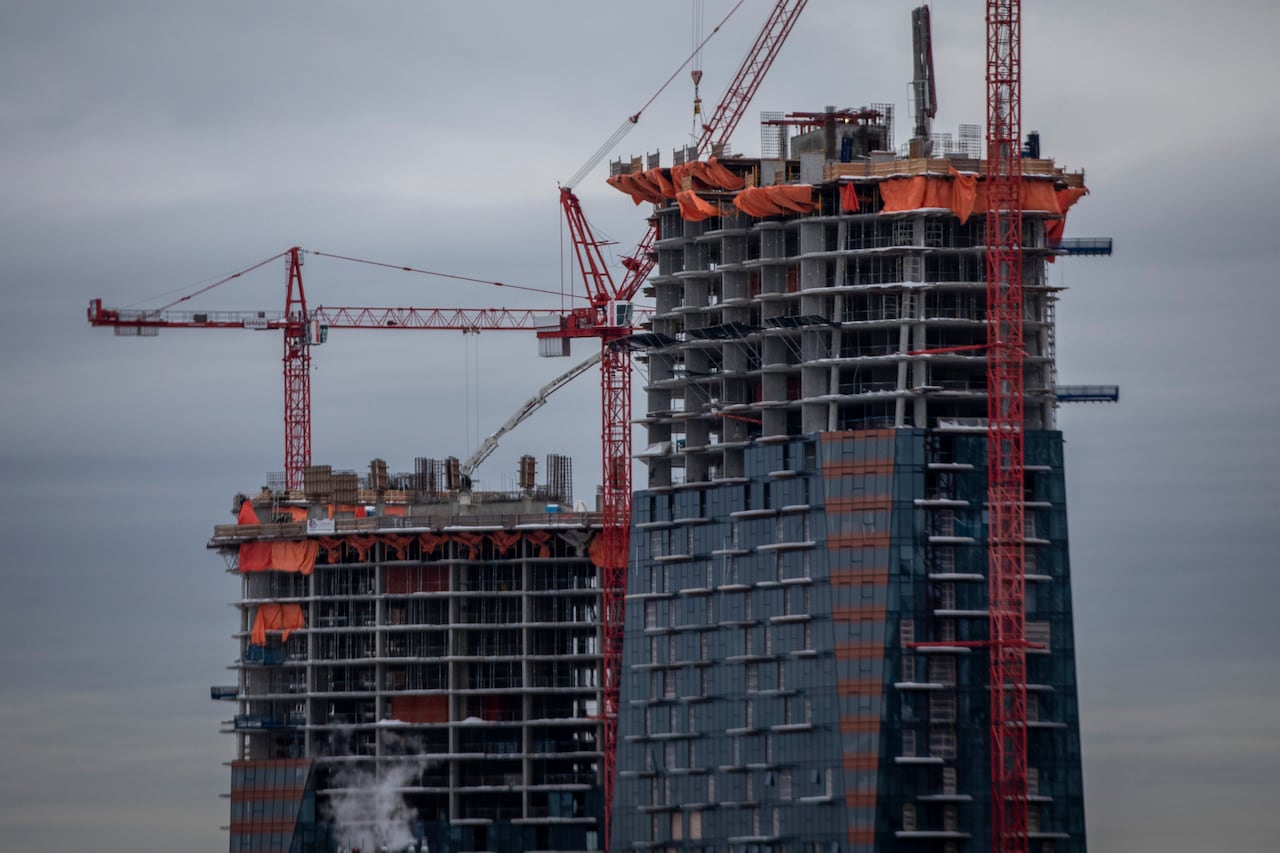 Professional organizations who spoke to a legislative committee about the bill said that it would expose registered professionals to an increase level of liability — which could result in uncertainty. (Ben Nelms/CBC)
Mark Vernon, the CEO of the Architectural Institute of B.C., spoke to the committee studying Anderson’s bill on April 1 as part of a delegation representing all six bodies governed by the PGA.
He said that the bill would “significantly shift” the responsibility of development approvals to individual registered professionals instead of public authorities.
“If liability risks are too high or too uncertain, some professionals may choose to step away from development-related work,” he said.
“That would shrink the available workforce and undermine the goals of the bill.”
Many of the professional organizations who spoke to the committee, as well as Hurley and other mayors, said the province should sit down with them to understand the root causes of permit delays rather than make unilateral changes.
Kelowna-Mission Conservative MLA Gavin Dew said in a statement that that the bill was “badly handled” and worsened the province’s relationship with municipalities.
“We have been working for months to stop this bill because it was massively unpopular and completely unsalvageable,” he said.