
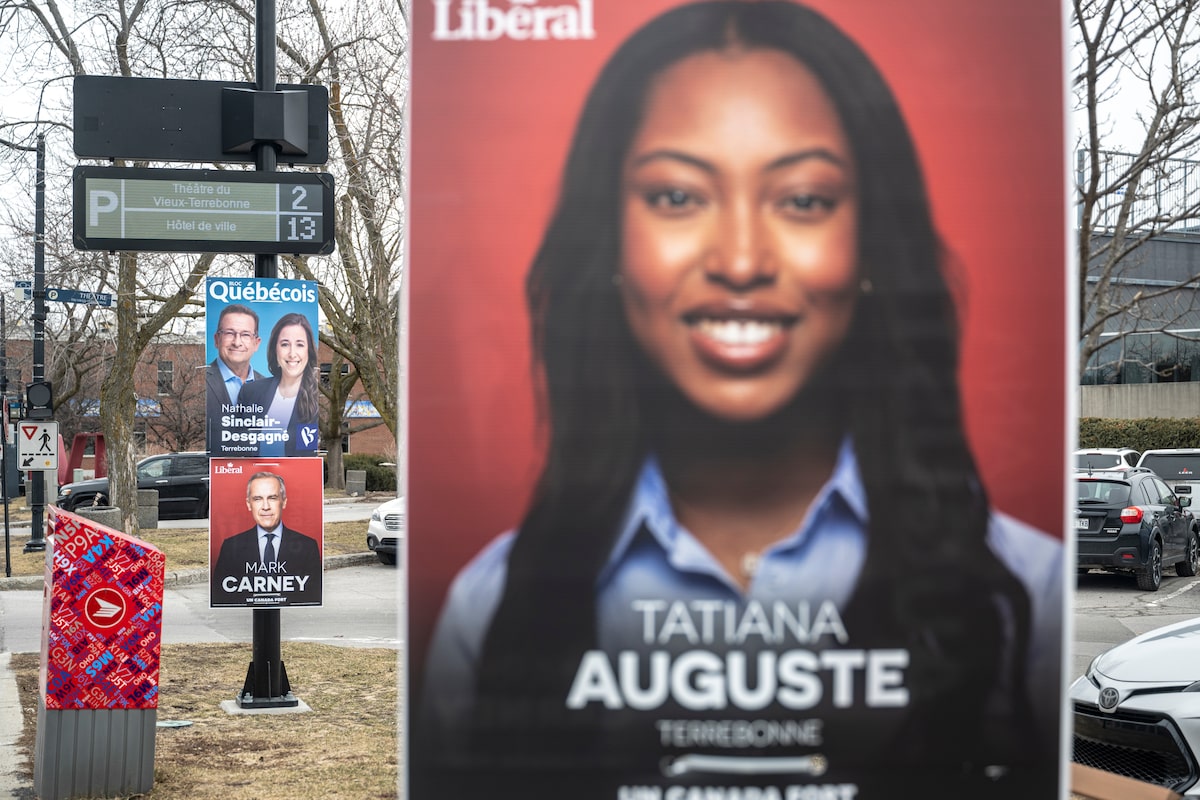
A nail-biting Quebec by-election that was supposed to make or break the Liberals’ hopes of a majority government now looks more like a test of Prime Minister Mark Carney’s popularity in a part of the country not given to displays of Canadian unity.
The game has changed since Mr. Carney called the by-election in Terrebonne last month, after the Supreme Court of Canada annulled last year’s federal election result in the former Bloc Québécois stronghold, which the Liberals had won by a single ballot.
Two recent floor-crossings have lowered the stakes for Mr. Carney, whose caucus is now just one seat shy of the 172 he needs to form a majority. On Monday, two Toronto-area by-elections in safe Liberal ridings will likely put him over the top. Terrebonne, an off-island suburb north of Montreal where the Liberal majority appeared to hang in the balance, now seems like a bonus.
The fait accompli of a majority presents an opportunity for the Bloc Québécois, which has been battling against the allure of a stable government in Ottawa.
“I think people in Terrebonne have the freedom to vote in the best interests of Terrebonne,” Bloc Leader Yves-François Blanchet told reporters in the riding this week, calling on Bloc supporters tempted to vote Liberal “to come home.”
Bloc Québécois Leader Yves-François Blanchet and candidate Nathalie Sinclair-Desgagné are trying to win over Terrebonne under the slogan of ‘reprenons notre place,’ let’s take back our place.
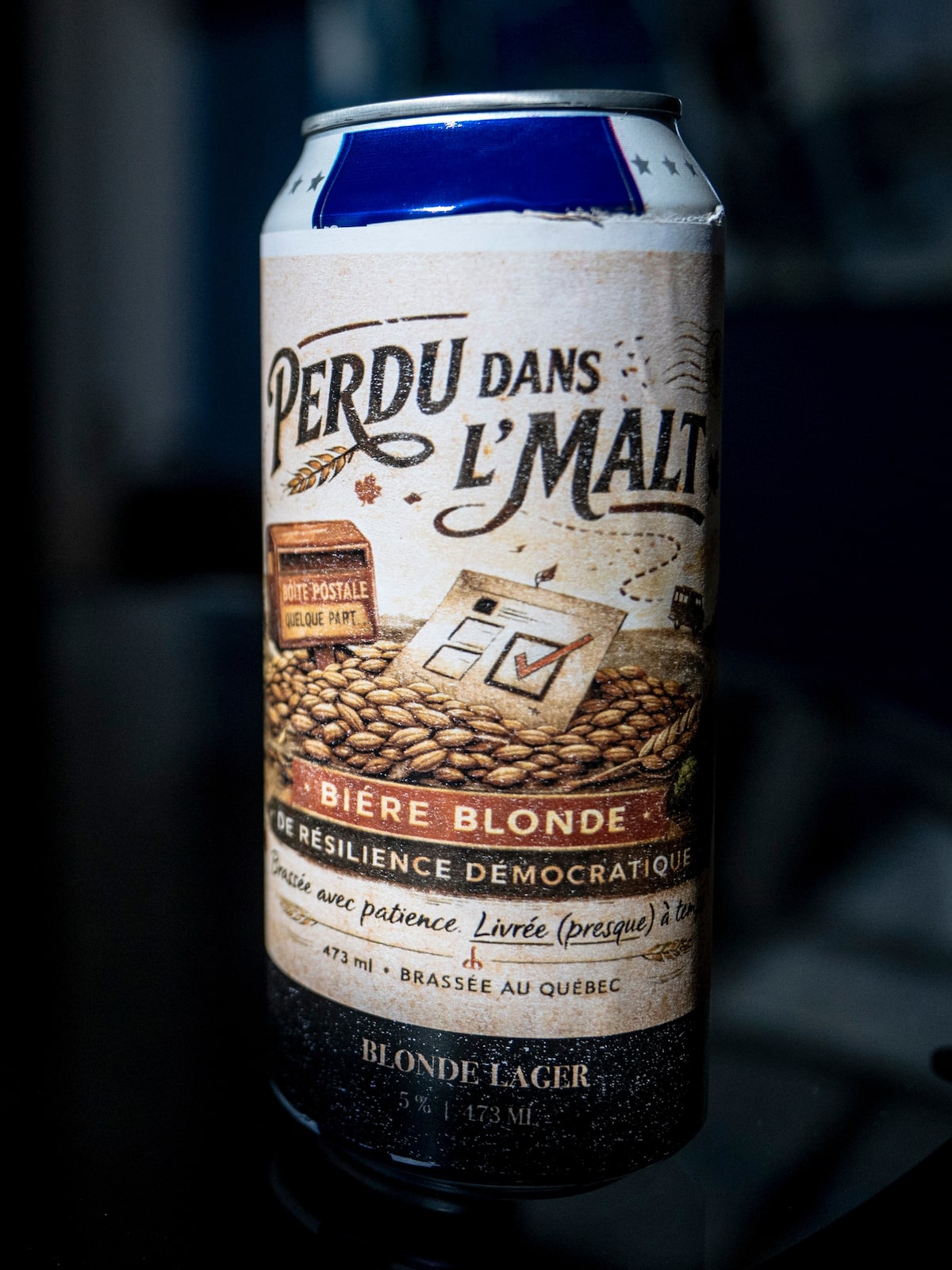
This small-run beer, which the mayor’s office commissioned and presented to the Bloc, is a callback to the last election and its mishap with mail-in ballots. ‘Perdu dans l’Malt’ is a pun on ‘lost in the mail.’
At a time of economic and geopolitical instability, Mr. Carney has established himself with strong approval ratings across much of the country.
Four Conservatives have joined the Liberal ranks since last fall, including Ontario MP Marilyn Gladu on Wednesday, putting Conservative Leader Pierre Poilievre on the defensive. Another MP has defected from the NDP.
“There’s a general sense of many in this country of how crucial this time is and how important it is to work together,” Mr. Carney said at a press conference in Quebec on Thursday.
Hours after Ms. Gladu’s announcement, a small army of Bloc MPs were knocking on doors with a new message.
“Just today, there was a Conservative who switched to the Liberals,” MP Patrick Bonin told an undecided voter. “The Liberals are guaranteed to get their majority.”
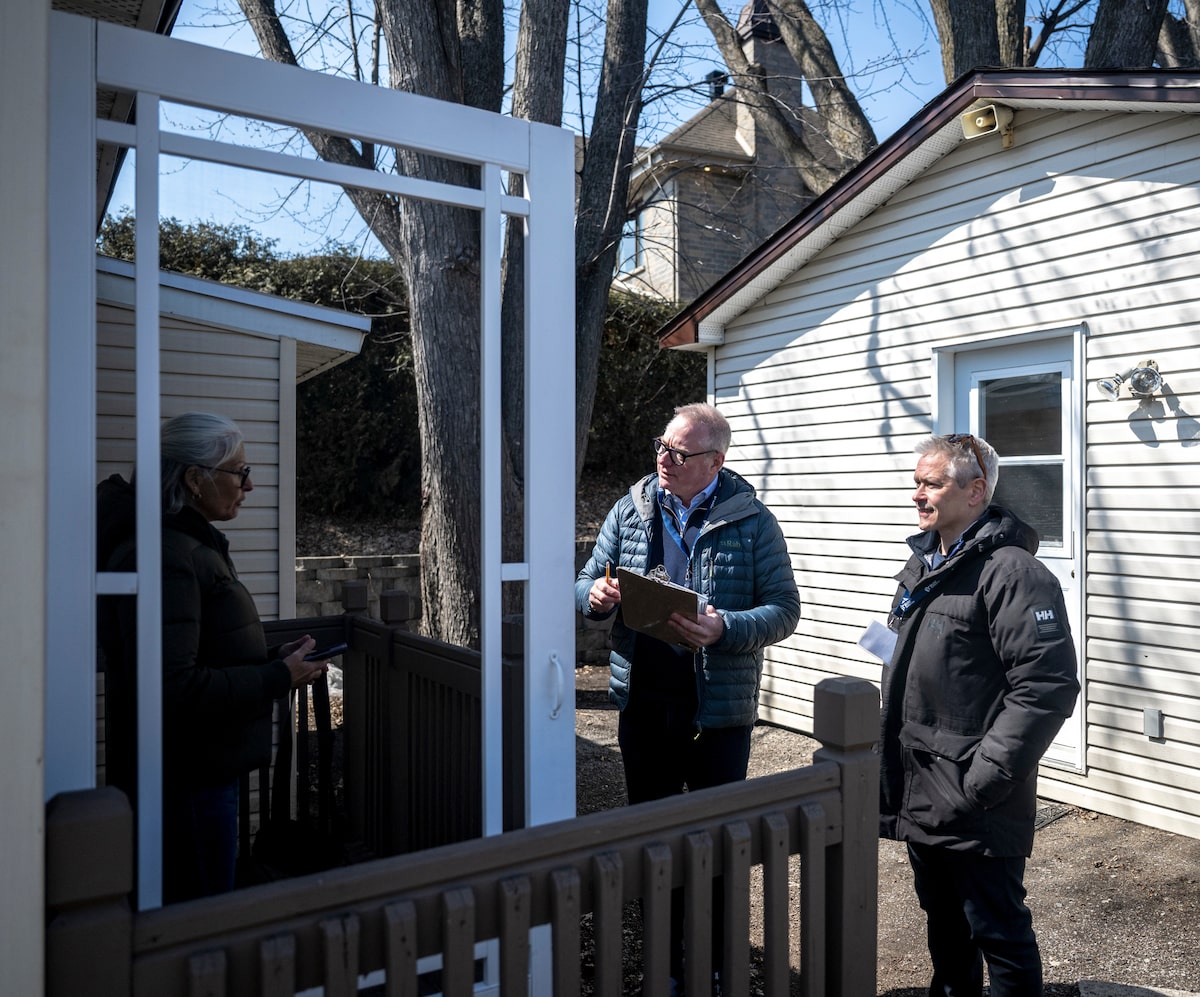
Patrick Bonin, at right with fellow Bloc MP Martin Champoux, went door-knocking the day Conservative MP Marilyn Gladu announced she would join the Liberals.
A social-media post on Mr. Champoux’s phone speculates that there could be more floor-crossers. The Liberals need 172 seats to form a majority.
At any other time, Terrebonniens might have been expected to vote firmly against a Liberal majority. Before last year, the riding voted consistently for the Bloc since the party’s inception in the 1990s, except for a brief dalliance with the NDP in 2011.
But in the face of war overseas and the unpredictability of U.S. President Donald Trump, Mr. Carney’s promise to strengthen Canada seems to appeal. Even longtime Bloc supporters say they’re pleased with him.
Maurice Brière, 94, grew up in the same Gaspésie town where Parti Québécois founder René Lévesque was raised. Mr. Brière said he has always supported sovereigntist parties but if he casts a ballot on Monday, it will be for the Liberals.
“Not because I’m really a Liberal, but because it will be better for Quebec,” he said.
That line of thinking is familiar to France Kirouette, 36, a Terrebonne resident, who has been volunteering on the Bloc campaign. She said many voters she’s spoken with are undecided but drawn to the idea of a clear Liberal majority.
“People tell me, ‘I usually vote Bloc, but this time I’m not sure because I want a strong government, and I want to be sure our economy is doing well,’” she said.
Tatiana Auguste, on campaign with Mr. Carney, is making a second try in Terrebonne after the last result was annulled.Christinne Muschi/The Canadian Press
Last April, the Liberals won 44 of Quebec’s 78 seats, while the Bloc Québécois was reduced to 22. Liberal candidate Tatiana Auguste flipped Terrebonne by a single vote, unseating Bloc incumbent Nathalie Sinclair-Desgagné. After the election, a would-be Bloc voter revealed that her mail-in ballot had not been counted owing to an Elections Canada error. The Liberal victory was upheld in Quebec Superior Court, but the top court overturned that ruling in February.
Emmanuelle Bossé was the Terrebonne voter whose ballot, returned to her home because of an error in a pre-printed postal code, cast doubt on the 2025 race.
In March, Mr. Carney called simultaneous by-elections in Terrebonne and in the Toronto-area ridings of Scarborough Southwest and University-Rosedale, formerly held by Liberal ministers Bill Blair and Chrystia Freeland.
The do-over is expected to be another close two-way race between Ms. Auguste and Ms. Sinclair-Desgagné, though the Conservatives and the NDP have also fielded candidates. A total of 48 candidates have been confirmed, including dozens of protest candidates from the Longest Ballot Committee. To avoid printing lengthy ballots that have delayed results in the past, Elections Canada is requiring voters in Terrebonne to write in their preferred candidate’s name.
Ms. Sinclair-Desgagné said the anxiety that played in the Liberals’ favour last year has since lessened. “People voted out of fear. So it really was a unique context,” she told reporters this week.
But Pierre Berthiaume, president of the local chamber of commerce, said business owners in the region, which is home to several steel plants, remain concerned about Canada’s trade relationship with the U.S. “It’s causing a lot of uncertainty among our entrepreneurs,” he said. “Many of them are worried about what will happen next.”
Terrebonne is changing quickly, with rising housing prices in Montreal driving young families to the suburb, said Mayor Mathieu Traversy.
The Canada-U.S. trade dispute has given Mayor Mathieu Traversy and Pierre Berthiaume, head of the chamber of commerce, much to think about as Terrebonne navigates a new economic climate.
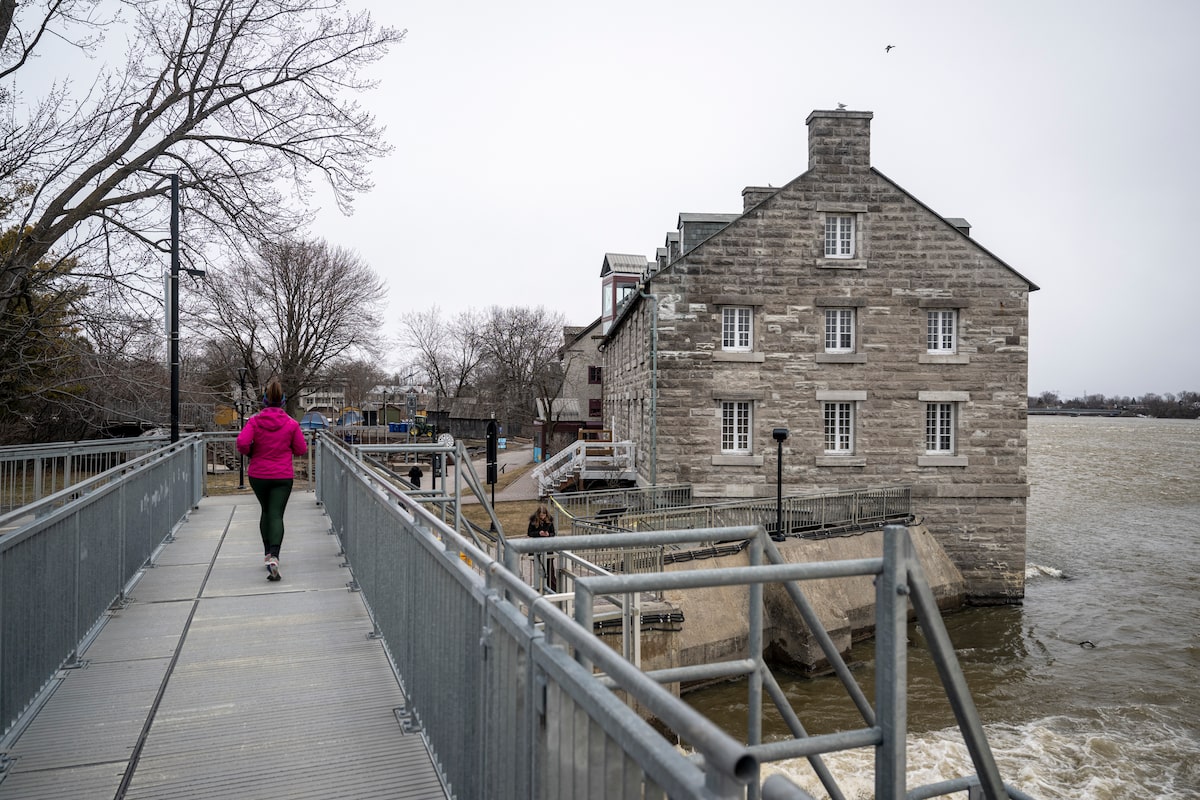
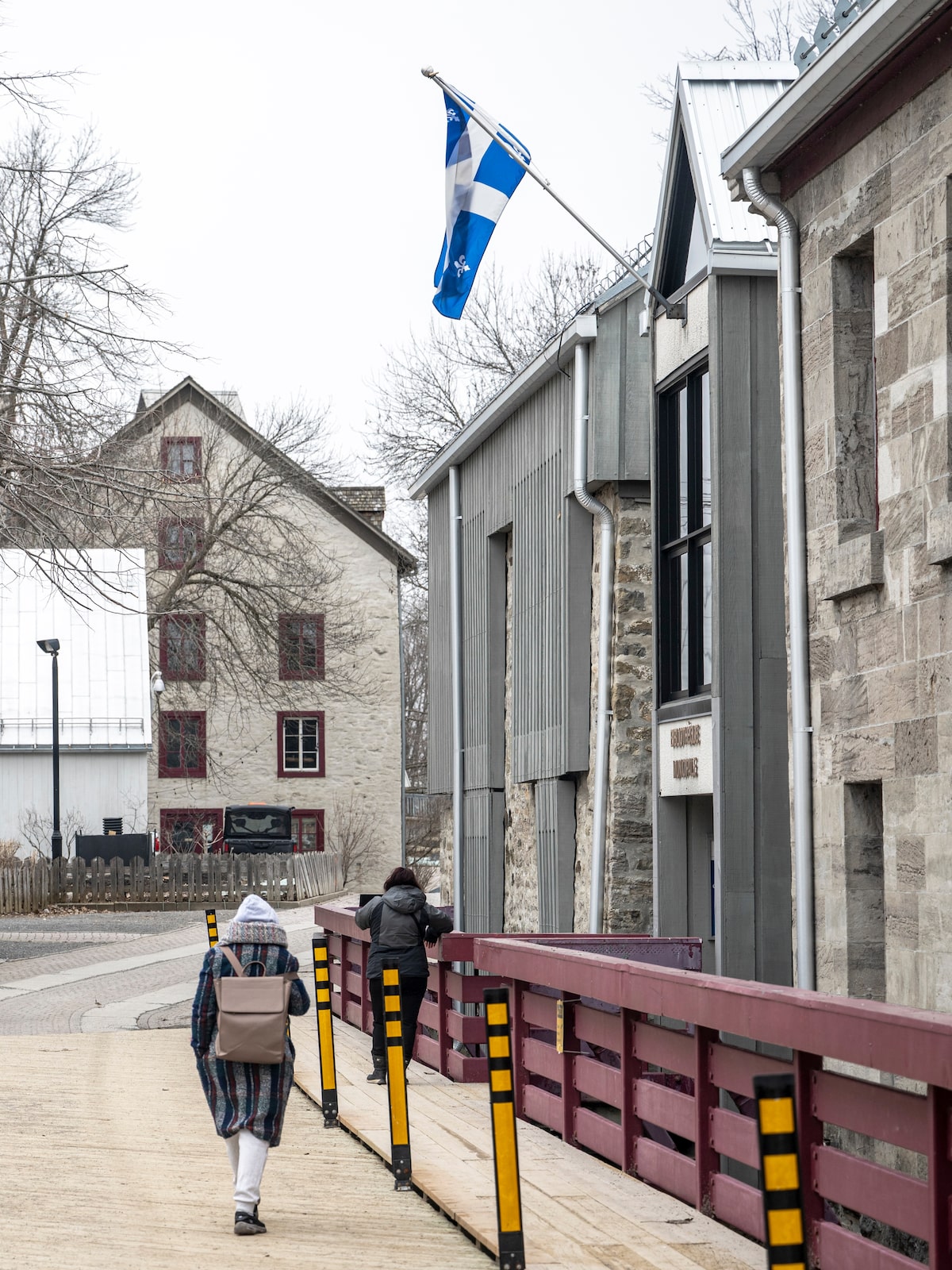
The Barrage des Moulins serves as a reminder of Terrebonne’s early industrial past, when milling grain and timber were big employers.
This week, Mr. Blanchet said the Liberals have campaigned strictly on the appeal of stability, with nothing else to offer Terrebonne now that the question of a majority is likely no longer in play. Amid the “cult of Mr. Carney,” they have forgotten to address local issues, he said, including concerns that the government could expropriate land in the riding to make way for a high-speed rail line.
Mr. Carney visited Terrebonne in February and again on Thursday as the Liberal convention got underway in Montreal. His face is on posters throughout the riding – a far cry from a 2024 by-election in Montreal, when then-prime minister Justin Trudeau’s face was conspicuously absent from election signs.
Despite the Prime Minister’s popularity, no one is taking anything for granted. Every Liberal MP from Quebec has spent time in the riding, as have all the Bloc MPs and several members of the Parti Québécois caucus.
Though global events loom large, the by-election in Terrebonne will likely be won on its doorsteps.
“We’ve learned in Terrebonne that every phone call we didn’t make, every door we didn’t knock on, and every person we didn’t speak to could cost us the election,” Mr. Blanchet said.
Politics in depth: More from The Globe and MailThe Decibel podcast
How well have Canadians gotten to know Mark Carney in his first year as prime minister? Feature writer Shannon Proudfoot spoke with The Decibel about how he built his persona and how long his popularity might last. Subscribe for more episodes.
From our Ottawa bureau
Carney commits to not proroguing Parliament after April 13 by-elections
Carney says Liberal values are unchanged after socially conservative MP joins party
Will $10-a-day child care ever be nationwide? Carney won’t say
Video: The NDP’s new face
Who is Avi Lewis, the NDP’s recently elected leader, and what can he do to turn the party’s fortunes around? Chief political writer Campbell Clark explains.
The Globe and Mail