
Words by ITV News Producer, Kieran Carter
The government is considering making it easier to adopt EU laws, by passing legislation that would allow it to change regulations without having to face full scrutiny from MPs.
The move, part of Sir Keir Starmer’s reset of EU relations, would allow the UK to quickly adapt to EU regulations on issues like food standards by tweaking UK law via secondary legislation.
The move would allow new regulations to be approved through secondary legislation, which cannot be amended and usually does not need an official vote from MPs, under what are known as Henry VIII powers.
Some view using those powers as controversial, voicing concerns the move would bring the UK closer to rejoining the single market, and potentially leave the door open for even closer alignment with the EU than that.
But what are Henry VIII powers and why are they so controversial? ITV News explains.
Starmer (left), hopes to reset relations with the EU, currently led by President of the European Commission Ursula von der Leyen (right). Credit: AP
What are Henry VIII powers?
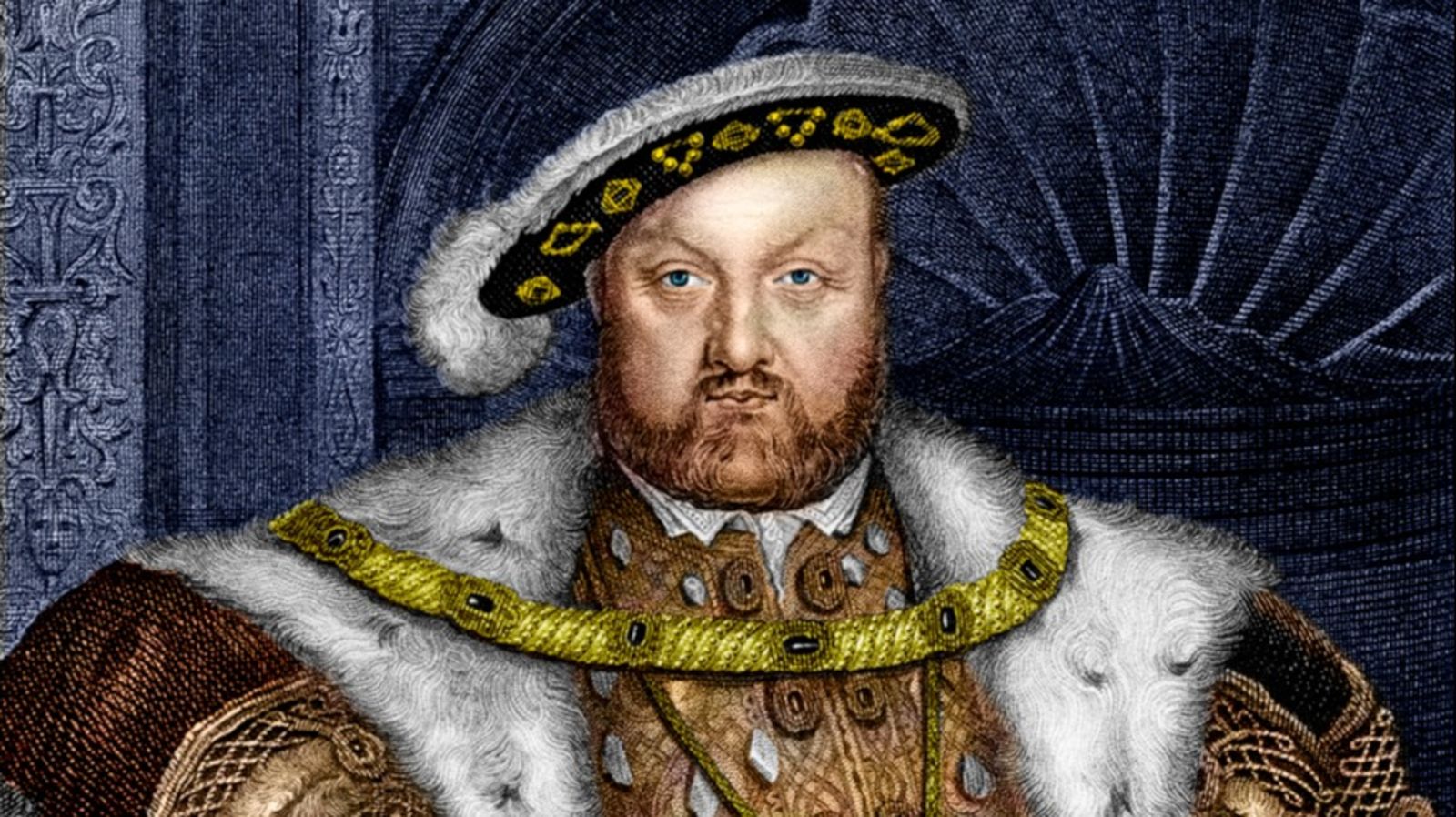
The power to amend Acts of Parliament by order, without scrutiny from MPs, is known as a “Henry VIII power” – a slightly tongue-in-cheek reference to the 16th century monarch’s supposed penchant for legislating via royal proclamations, rather than through parliament.
In the UK, there are two types of legislation: primary and secondary.
Most bills are passed through primary legislation, where they go through a lengthy process of scrutiny by both MPs and the House of Lords.
But with secondary legislation, once written by government ministers, laws must either be accepted or rejected, and are not open to amendments or scrutiny.
That’s where Henry VIII powers come in. These clauses allow ministers to change or even scrap parts of existing laws using secondary legislation, sidestepping the full back-and-forth of parliamentary scrutiny that primary legislation would usually require.
This form of secondary legislation is typically used for routine updates and has not been opposed in the House of Commons since 1979.
Henry VIII introduced measures during his reign that allowed him to rule without having to consult parliament. Credit: iStock
Why Henry VIII?
The nickname given to these laws comes from measures introduced by King Henry VIII in 1539.
At this time, Henry VIII introduced the Statute of Proclamations, a law that gave him the power to govern by royal decree, avoiding Parliamentary scrutiny entirely.
Though a different mechanism, changing the law via secondary legislation in such a way that it avoids a vote by MPs is often given the same name.
How will the government use them?
The government intends to use these measures to make trade with the European Union easier.
It will do this by keeping British rules aligned with European ones, a process known as dynamic alignment.
The legislation would allow laws concerning areas where the UK has signed a deal with the EU to be updated without having to bring a fresh bill to parliament each time.
The prime minister said the changes will only come into force if parliament passes the legislation, adding that a stronger relationship with Europe is in the “UK’s best interest”.
He said: “We’re in a world where there’s massive conflict, great uncertainty, and I strongly believe that the UK’s best interests are in a stronger, closer relationship with Europe, whether that’s defence and security… energy, inevitably, and also, our economy.”
Starmer added that the legislation will make trade easier, reducing “burdens” on businesses and lowering prices.
“A stronger, closer relationship with Europe is in the UK’s best interest, particularly in a world that is as volatile as it is at the moment, and I know that worries a lot of people,” he said.
A government spokesman said: “The Bill will go through parliament in the normal way.
“Any new treaties or deals with the EU will also face parliamentary scrutiny, and parliament will have a role in approving new EU laws required under those deals via secondary legislation.”
Protestors previously took to Westminster when the Conservative government attempted to use Henry VIII powers during Brexit. Credit: PA
Have Henry VIII powers been used before?
Concerns have been previously raised in Parliament over the use of Henry VIII powers in relation to Brexit.
In 2017, close to the start of the UK’s withdrawal process from the European Union, the then-Conservative government pushed legislation seeking to transpose EU rules and regulations into the domestic law books ahead of Brexit.
The “Great Repeal Bill” proposed using Henry VIII powers to allow ministers to amend or repeal the regulations while bypassing full parliamentary scrutiny – a move which raised significan constitutional concerns at the time.
This bill passed the first vote, with Labour at the time describing it as “deeply disappointing”, the Liberal Democrats described it as “a dark day for the mother of parliaments”.
Notably, the then-shadow Brexit minister, and now prime minister, Sir Keir Starmer labelled it a “flawed Bill” that should have been “dropped”.
He went on to add it “will need extensive amendment and improvement in a whole range of areas.
“Labour amendments would give greater control to Parliament and take power back from the hands of ministers. They would protect key rights and environmental safeguards and ensure that the government does not have a legislative blank cheque,” he said.
The use of Henry VIII powers is relatively rare, but have been used on other occasions. One such was during the Childcare Act (2016), which doubled childcare allowance for some working parents. The us of the powers here, too, faced criticism from MPs.
Subscribe free to our weekly newsletter for exclusive and original coverage from ITV News. Direct to your inbox every Friday morning.
Why are they so controversial?
Critics of the powers argue that they reduce the sovereignty and control the UK has over its own laws, forcing us to conform to those of the EU.
Conservative Shadow Business Secretary Andrew Griffith said it would mean Parliament is “reduced to a spectator while Brussels sets the terms”.
Reform UK leader and ardent Brexit supporter Nigel Farage has also criticised the proposals. Saying on Monday he would fight them “every step of the way”, branding them “a backdoor attempt to drag Britain back under European Union control”.
Responding to the government’s plans, Conservative leader Kemi Badenoch accused Starmer of asking the European Union to “do his homework” with his plans for an EU reset, saying: “It worries me that what Starmer is planning looks like the worst of both worlds.
“If you’re in the EU, you can veto plans that you don’t like, if you’re out of the EU, you can create your own plans, but simply accepting whatever it is that the EU is doing and rubber stamping it is a huge concern.
“We need our Parliament to be able to make the laws that are right for this country rather than just copying what the EU is doing, as doing that makes me worry that Starmer hasn’t got any ideas for the future, and is just asking for help from the EU and asking them to do his homework.”
Addressing this, one Labour source said: “We’re making a sovereign choice to agree deals to reduce trade barriers – where parliament gets to have a say. It will lower costs for businesses and get rid of the Brexit paperwork tax that adds to the cost of the weekly shop.
“Reform and the Tories are stuck with the ghost of Brexit past, happy with the broken status quo. But in a world of rising global tensions, we need politicians who can build bridges rather than burn them.”
Have you heard our podcast Talking Politics? Tom and Robert dig into the biggest issues dominating the political agenda in every episode…