
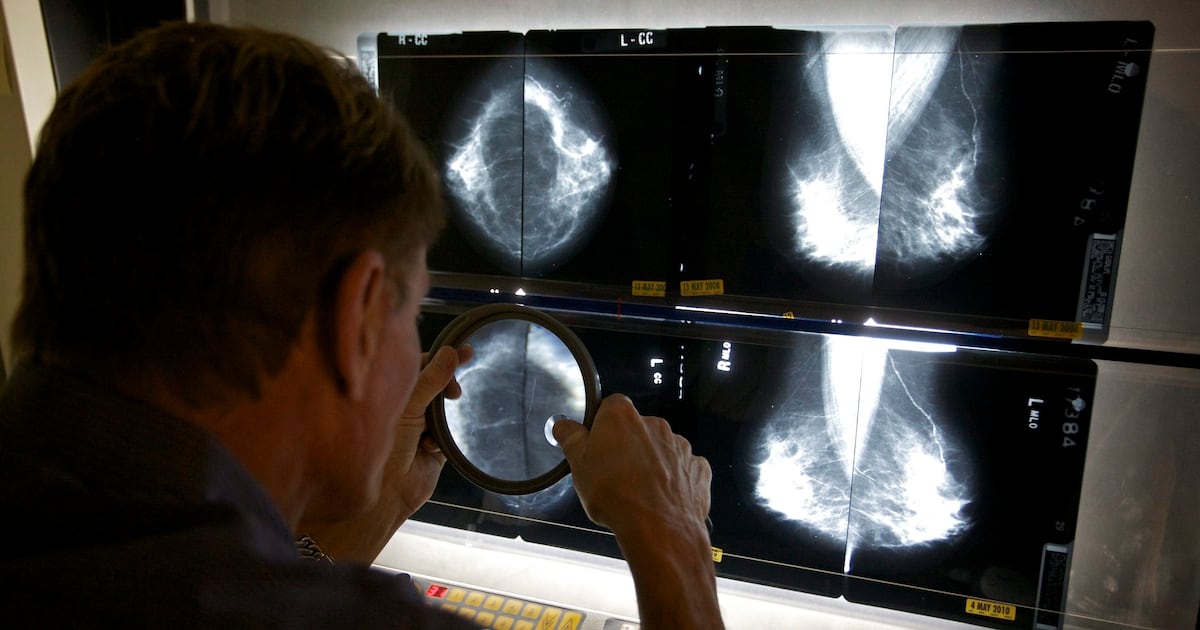
A new study estimates there will be more than 250,000 new cancer cases and nearly 90,000 cancer-related deaths in Canada in 2026, reinforcing cancer as the leading cause of death in the country.
According to the study, published Monday by the Canadian Medical Association Journal (CMAJ), cancer incidence and mortality rates are declining in Canada.
But with 42 per cent of people in Canada expected to be diagnosed with cancer in their lifetime, Dr. Jennifer Gillis, an epidemiologist who co-authored the study, says this report shows how cancer remains prevalent in the country.
“Cancer continues to impact so many people each year,” Gillis told CTVNews.ca in an interview. “It remains an incredible challenge, but the report also really points to hope.”
 Lung imaging Dr. Lee Morissette shows an image of lungs damaged by asbestos exposure, at the Center for Asbestos Related Disease, Thursday, April 4, 2024, in Libby, Mont. (AP Photo/Matthew Brown) Lung cancer remains most prevalent
According to Gillis, incidence and mortality rates have been declining for two-thirds of cancer types in Canada, including colorectal, bladder, lung cancer and leukemia, demonstrating that progress has been made in research, prevention, screening and treatment.
“We’re starting to see tobacco control and smoking cessation efforts really having an impact on lung cancer,” Gillis said. “But we also know that lung cancer from the report is still one of the most commonly diagnosed cancers in Canada.”
She adds that other risk factors for developing lung cancer, including air pollution and radon, could also be contributing to the occurrence of the disease, and that these factors may need to be addressed to reduce the incidence rate.
After lung cancer, which is estimated to reach 32,900 new diagnoses this year, the most commonly diagnosed cancers in Canada are breast, prostate and colorectal.
Lung cancer accounts for one in five cancer-related deaths, making it the No. 1 cause of cancer-related death in both males and females in Canada.
This year, more females are expected to be diagnosed with lung cancer than males.
The study shows that cancer rates are higher in Eastern Canada than they are in Western Canada.
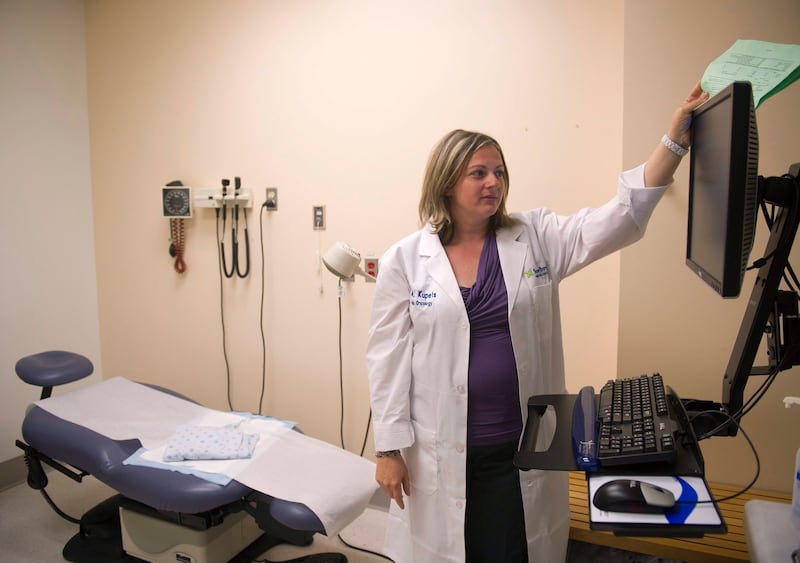 Cervical cancer screening Dr. Rachel Kupets, surgical oncologist for Sunnybrook’s Odette Cancer Centre Gynaecology Cancer Care team, looks at a screen in an examination room in Toronto on Wednesday, June 1, 2011. THE CANADIAN PRESS/Nathan Denette Other cancer types increasing
While there has been progress made, cervical, head and neck, pancreatic, uterine cancer and melanoma rates are increasing.
Gills says this data is particularly concerning because cervical, head and neck cancers are closely linked to the human papillomavirus (HPV) virus, and it is almost entirely preventable through HPV vaccination.
READ MORE: New report highlights ‘concerning’ trend in cervical cancer rates in Canada
Cervical cancer rates have been plateauing since the mid-2000s, after years of decline.
According to the study, cervical cancer cases are estimated to have increased from 1,600 in the 2024 study to 1,700 in this year’s study.
Head and neck cancers also saw the same estimated increase.
“Improving vaccination rates could have an impact on both of these cancer types,” Gills added.
Pancreatic cancer cases are estimated to have increased from 7,100 in the 2024 study to 7,500 in this year’s study.
 Colorectal cancer screening Medical equipment inside the trauma bay photographed during simulation training at St.Michael’s Hospital in Toronto on Tuesday, August 13, 2019. THE CANADIAN PRESS/ Tijana Martin Early-onset cancer
The study analyzed cancer prevalence at the population level and not by specific age groups.
While incidence and mortality rates are declining for colorectal cancer, research has shown that it is increasing in individuals under the age of 50.
“Because of the implementation of screening programs across Canada, we are seeing declines in colorectal cancer incidence, but this is likely confined to ages who have access to that screening, so those over the age of 50,” Gillis said.
Studies also show that more young people in Canada are being diagnosed with breast cancer, which is expected to reach about 32,700 new cases this year.
Early-onset colorectal and breast cancer has prompted the Canadian Cancer Society, and other organizations, to encourage provinces and territories to adapt their screening programs to accommodate younger cohorts.
Continuing to advocate for earlier access to screening can help detect cancer earlier for young adults, Gillis says.
 A cervix self-screening kit A cervix self-screening kit is a part of the first self-screening cervical cancer plan in Canada, in Vancouver, B.C., Tuesday, Jan. 9, 2024. THE CANADIAN PRESS/Ethan Cairns Efforts must persist
While the study reflects progress in incidence and mortality rates in some cancers across Canada, sustained efforts in research, prevention, screening and treatment are needed.
“This report underscores the challenges that remain, but it also highlights that progress can be made in prevention, early detection and treatment,” Gillis said.
The study is a collaboration between the Canadian Cancer Society, Statistics Canada and the Public Health Agency of Canada, and data is taken from the Canadian Cancer Registry and Canadian Vital Statistics Death Database.