
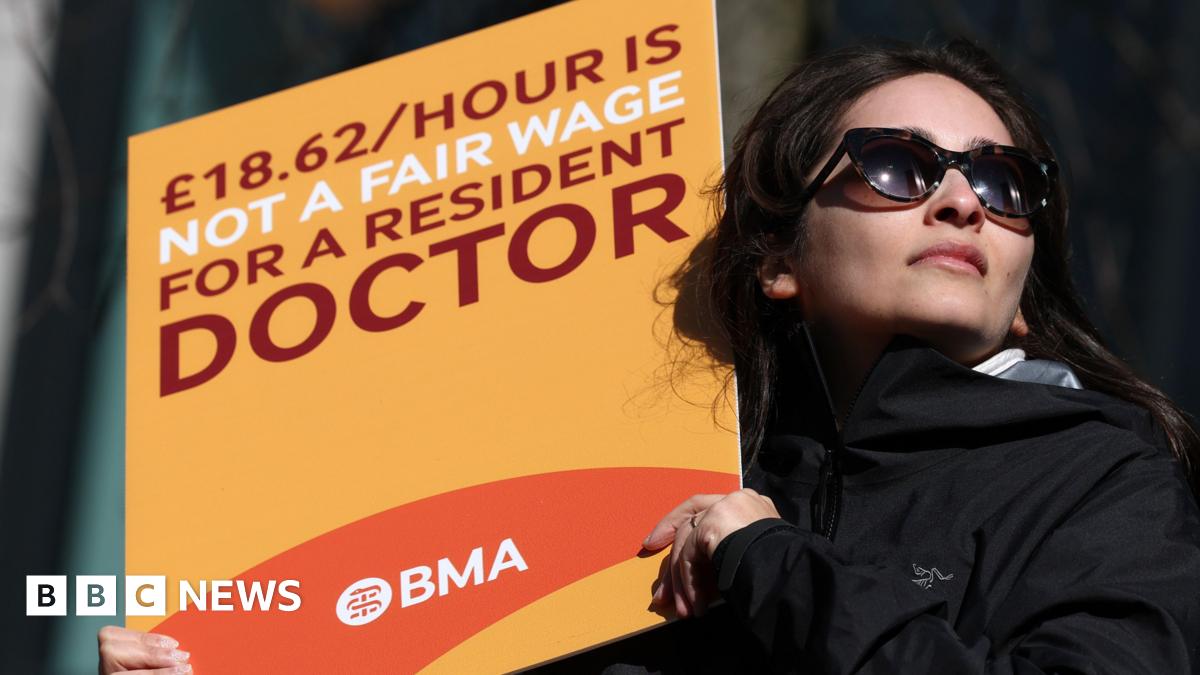
At King’s College Hospital, a study of the first junior doctor strikes in 2023 found patients were seen, treated and discharged faster on strike days, despite fewer staff on duty. Crucially, researchers reported no rise in deaths or re-admissions.
Performance figures elsewhere show a similar pattern. At the Royal Berkshire Hospital, for example, the four‑hour A&E target was met in 82% of cases during December’s walkout, compared with 73% the previous week. While other factors may have played a part, the improvement aligned directly with the strike.
Dr Layla McCay, director of policy at the NHS Alliance, representing trusts, said: “We have heard, anecdotally, that the enhanced presence of consultant colleagues in A&E, with their additional experience, can mean quicker, less risk-averse decision-making, which is good for patients.
“But this is a temporary, unsustainable solution with knock-on effects.”
On routine non-strike days, emergency departments are staffed mainly by early‑career doctors in training for specialist roles, who often order more tests and seek multiple layers of senior opinion. Each extra step slows the patient journey.
When consultants take over front-line roles during strikes, decision‑making tends to be more direct, according to Dr Damian Roland of the University of Leicester.
“The more doctors involved in a patient pathway, the longer everything takes,” he said.
But training resident doctors is essential to provide the consultant workforce of the future.