
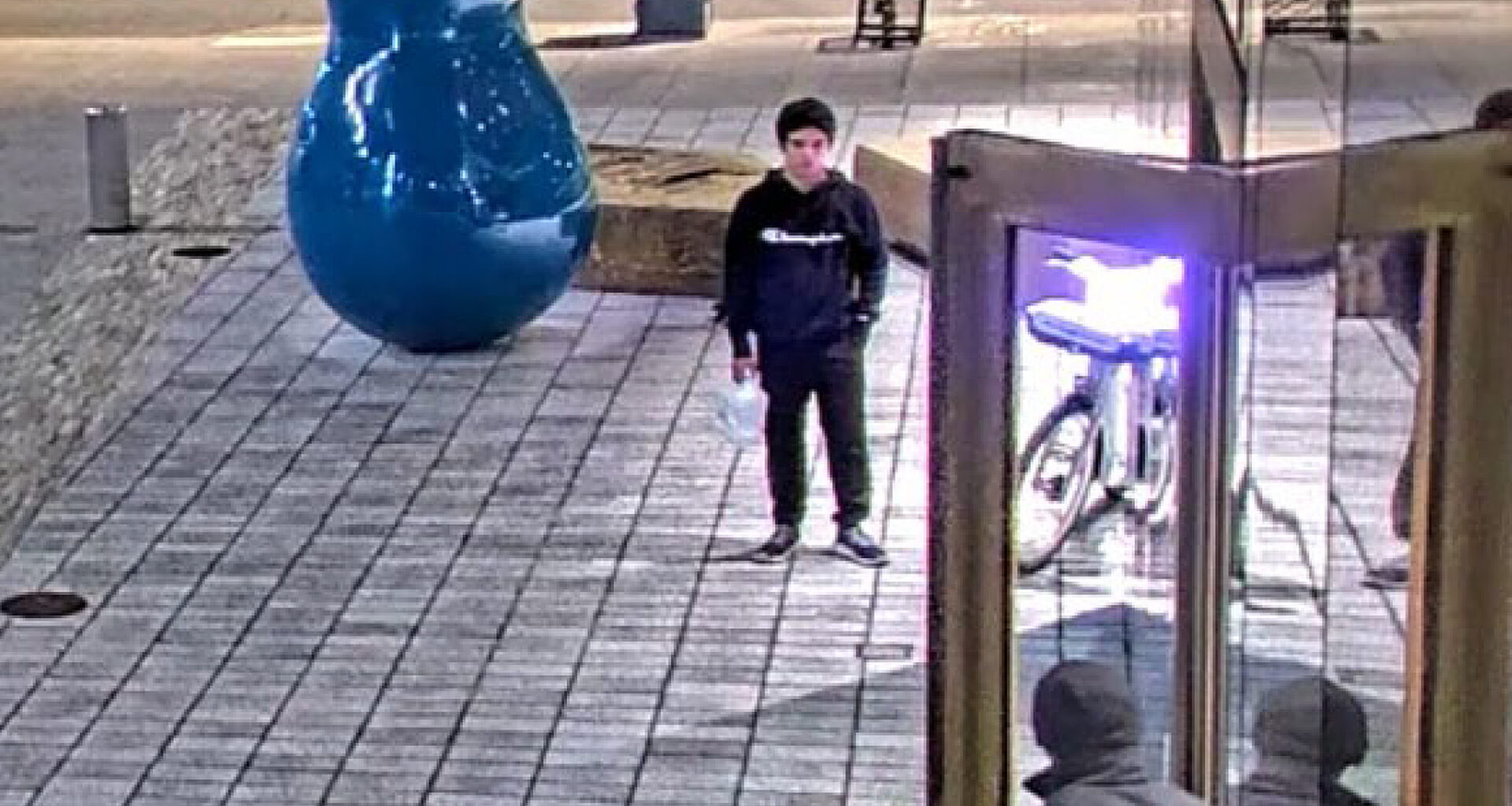
Daniel Moreno-Gama was charged with attempted damage and destruction of property by means of explosives and possession of an unregistered firearm in connection with the attacks, according to the U.S. Attorney’s Office for the Northern District of California. If convicted, he faces a mandatory minimum sentence of five years in prison and up to 20 years for the explosives charge, along with up to 10 years for the firearm charge, prosecutors said.
“Violence cannot be the norm for expressing disagreement, be it with politics or a technology or any other matter,” Acting Attorney General Todd Blanche said in a statement. “These alleged actions — which damaged property and could well have taken lives — will be aggressively prosecuted.”
San Francisco police were first called at about 4:12 a.m. on April 10 to a North Beach residence for a reported fire, SFPD spokesperson Allison Maxie previously told SFGATE. Surveillance footage later reviewed by investigators shows a man suspected to be Moreno-Gama throwing a lit Molotov cocktail at the property around 3:37 a.m., igniting the top of a driveway gate before fleeing.
Roughly an hour later, Moreno-Gama allegedly arrived at OpenAI’s headquarters on Third Street, where he used a chair to strike the building’s glass doors and told security he had come to burn the site down and kill people inside, according to a federal criminal complaint.
Investigators said officers were dispatched to the headquarters and detained Moreno-Gama, who was found carrying incendiary devices, a jug of kerosene, a lighter and a written document.
The document, titled “Your Last Warning,” outlined opposition to artificial intelligence and called for violence against executives in the industry, listing the names and addresses of individuals described as CEOs and investors, according to the complaint.
The document also included a message addressed to Altman: “If by some miracle you live, then I would take this as a sign from the divine to redeem yourself.”
Investigators said Moreno-Gama also emailed a version of the document to individuals at his former college in Texas the same day.
U.S. Attorney Craig Missakian said the case could be treated as domestic terrorism if evidence shows the attacks were intended “to change public policy or to coerce government and other officials.”