
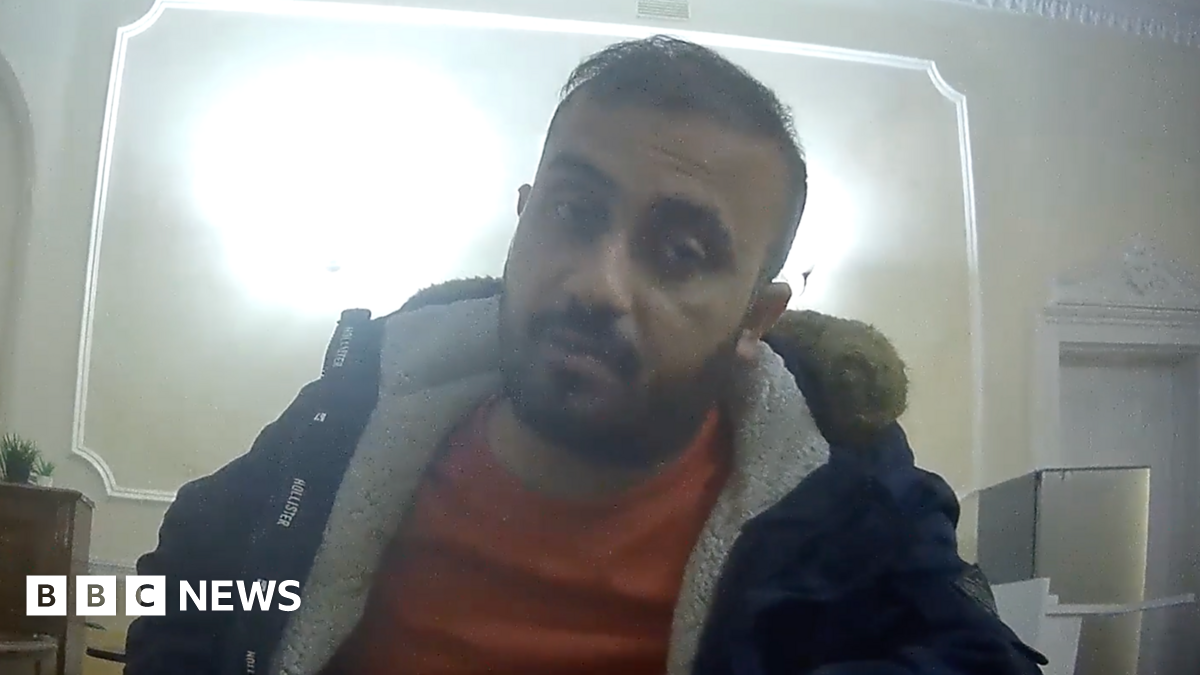
The political route was difficult, Akhand said, requiring a legal case to be made against the applicant in their home country.
Much easier, he said, was pretending to be gay “because they will not dig too much into your past story”.
“For gay cases, it’s private, but politics and atheism are public,” he said.
“So establishing that is a bit difficult.”
He said he could “connect you with people we know who do these things”.
For a fake gay claim, “the kind of evidence they provide includes membership in different clubs, taking you to different clubs, since in the asylum interview you will be asked which clubs you attend and similar questions. You will also be given a partner, and that partner will provide a letter saying that ‘yes, he was my partner’.
“If you go to those associations, you will not get caught out. Most of the people there are not gay,” Akhand said.
The reporter asked if he had dealt with similar cases before “where you know that he is not gay or not atheist, but later the case was successful?”
“Everyone is being successful, God willing,” Akhand responded. “If you listen and get the evidence arranged properly, it will be successful.”
He told him to “first decide whether you will do it on atheism grounds or on gay grounds…then I will draw you a full outline”.
Akhand qualified as a barrister in 2022 but does not hold a licence to practice, meaning he is what is known as a non-practising or unregistered barrister.
It is illegal for someone in that position to refer to themselves as a barrister in connection to legal services.
Akhand describes himself on LinkedIn as working at a law firm, Lextel Solicitors, and appeared on the company’s website at the time of the meeting. The website has now been taken down.
Lextel said Akhand was not an employee and that he had stopped working for the firm around two years ago, but they had left him on their website because he had not given any “formal notice to quit”.
They said they had no record of the meeting taking place in their office and said Akhand was associated with other businesses in the same building.
Akhand denied “knowing and deliberately behaving in a way that is illegal or dishonest”. He said the meeting was only introductory, the journalist wasn’t a client and he didn’t believe he had given regulated immigration advice.
He also said that he hadn’t said that he was a “practising” barrister and that his professional affiliation with Lextel Solicitors had “ceased a long time ago”.