
Wednesday 15 April 2026 10:54 am
| Updated:
Wednesday 15 April 2026 10:55 am
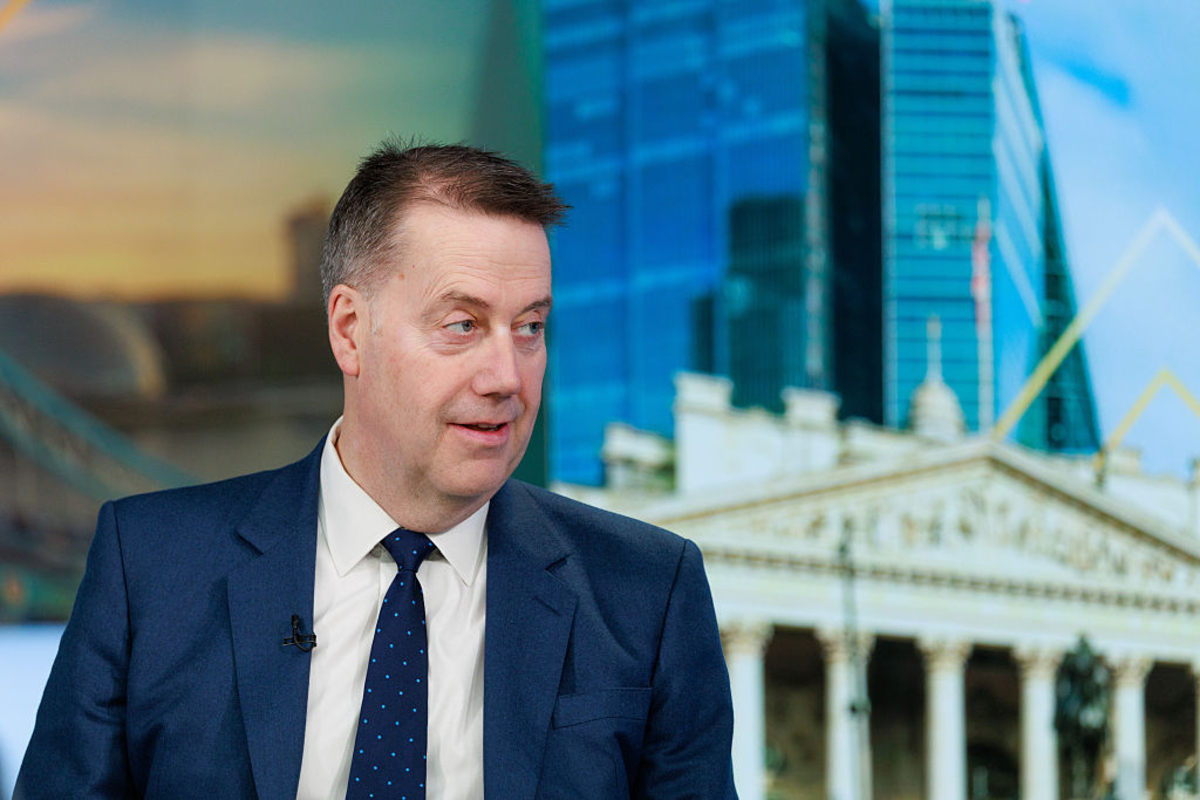
 Briggs hailed retirement adequacy a key concern
Standard Life has snapped up the UK’s largest investment platform Aegon UK in a £2bn deal.
The FTSE 100 giant – previously known as Phoenix Group – said the deal would create the UK’s top retirement savings and income business with near 16m customers and £480bn in assets under administration.
Standard Life expects an annual £160m profit boost from the deal, as well as it to deliver around £400m in excess cash over the next five years following integration.
It will also move the blue-chip giant from a smaller retail provider to the UK’s second largest retail pensions and savings platform.
The deal will be funded by a combination of cash, debt and shares in Standard Life, with Aegon set to become a strategic shareholder.
Andy Briggs, Standard Life chief executive, said: “The transaction accelerates our shift to capital-light whilst strengthening our cash, capital and earnings position to create increased value for shareholders.”
Following the firm’s full-year results in March, Briggs hinted to City AM that M&A would be on the table with the coming financial year marking the final year of Standard Life prioritising debt repayment, which the firm expects to leave over £500m in extra cash.
Standard Life toasted to profit haul in 2025
The comments came as profit rose 15 per cent to £945m at the pensions giant, fuelled by momentum in the savings and retirement solutions divisions.
Read more
‘More needs to be done’ to help pension savers after salary sacrifice, says Standard life boss
The FTSE 100 savings titan also increased its total dividend for the year 2.6 per cent to 55.40p per share.
Standard Life also ploughed forward with its cost-cutting regime, notching £180m in its cumulative annual run-rate – yearly figures based on current, usually monthly data.
Briggs has been one of the most vocal critics to Chancellor Rachel Reeves’ changes to the salary sacrifice scheme.
Through opting for salary sacrifice, employees can trade a portion of their pay for non-cash benefits like electric vehicle leases or childcare support. Pension contributions are often the most popular scheme, where employees effectively take a pay cut in exchange for higher pension contributions that help drag them under the £100,000 threshold and reduce their tax bills.
But in her Budget, the Chancellor capped the scheme at £2,000 per employee, per year, from April 2029, arguing that the scheme does not benefit those on the minimum wage.
Briggs told City AM in March the impact had not yet “played through at this stage” with the workplace market still showing signs of strength.
But he warned: “At an individual consumer level, more needs to be done to help more of them be saving enough for a decent retirement.”
Read more
Aviva’s profits surge following Direct Line acquisition
Similarly tagged content:
Sections
Categories
People & Organisations