
There is little choice for the United States and Iran other than to make a deal. The unspoken truth since the war began, this remains more the case in the closing five days of the ceasefire.
For the US, the first round of talks in Islamabad, despite their marathon duration, seemed a concerted performance aimed at bolstering US leverage. The blockade of Iranian ports followed so swiftly, the White House likely had this escalation already in mind. It will take time to fully realize the economic pain the blockade seeks to bring on Iran, but even 60% effectiveness will heap further ruin on Tehran’s economy, and its allies, like China, dependent on its oil.
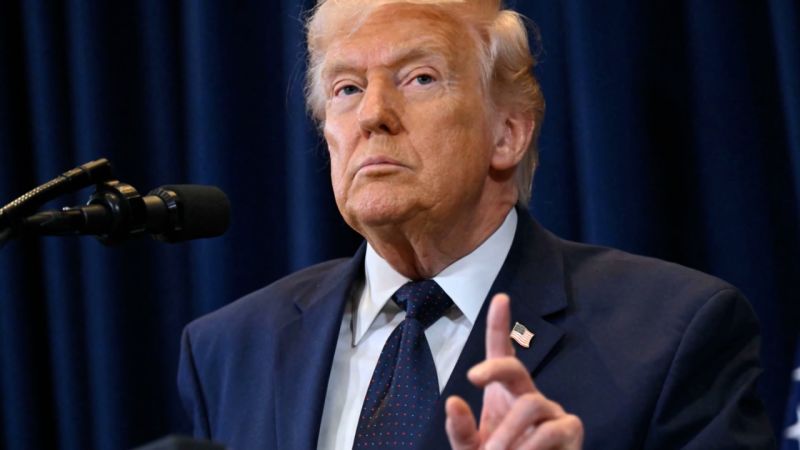
The likelihood of success in a second round of talks increases with the political exigencies and condition of those at the table. US President Donald Trump openly wants a deal, and says Iran does too. But above all – with inflation and gas prices on the rise, and the MAGA base openly in revolt – Trump urgently needs a deal.
It is hard to divine if Trump’s ever-changing positions stem from attention deficit, memory issues, or unorthodox negotiating genius. But making it hard for your opponent to know what you want has its limits as a negotiating strategy, and can smack of confusion and desperation. And that mess – by design or default – accentuates how much Trump needs a deal.
Iran – despite winning the meme war, unleashing unprecedented fire across the region and enduring the brutal decimation of its cabinet and security apparatus – needs a deal even more urgently. The internet of propaganda is not the real world, and however much bluster there is in the daily CENTCOM declaration of how effective their strikes are, Tehran is far worse off after more than 13,000 targets have been hit.
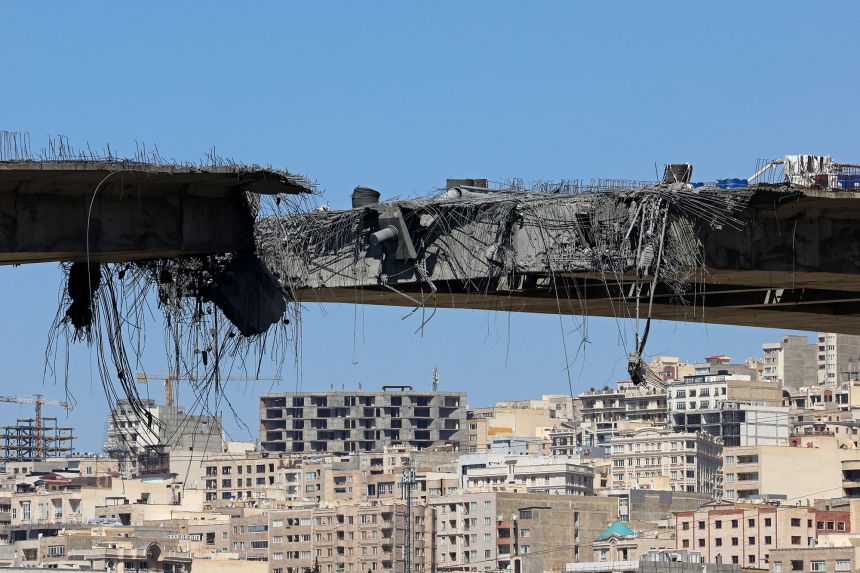
The damage from 39 days of bombing is irrefutable. Critics of the US like to mock how it has replaced one Ayatollah Khamenei with another – but Mojtaba has yet to be seen in public, or convincingly prove he is conscious. The Iranian Revolutionary Guard Corps (IRGC) is now on its third rung of leadership. They may be galvanized hardliners, seeking blood vengeance, but that does not absolve them of the severe challenges of government, and replenishing their forces for any conflict ahead. Speaking as though you are 10 feet tall does not increase your actual height.
Iran’s apparent strength stems from survival and defiance – from remarkable endurance, rather than actual military triumph. But it is in a moment of unprecedented regional weakness. It has militarily attacked most of its Gulf neighbors. Iraq was partially spared, yet is divided in its support. Pakistan is mediating, but has a defense treaty with Saudi Arabia that leaves its eventual loyalties clear. To everyone else nearby, Tehran has shown its teeth, but at immense cost. It is hard to thrive when the neighborhood mostly loathes you for shattering their luxurious veneer of peace and prosperity.
Barring mishap or outlying irrational acts by hardliners, a return to full-on hostilities appears less likely than negotiated compromise, particularly given how oddly close the US and Iran positions were after 16 hours of talks in Pakistan. The rhetoric of diplomatic negotiation can often speak in opposites. A rule is if talks are going badly, speak of progress to encourage more talks; when success seems near, leak that there are perilous, unscalable gulfs to get over, so your opponent feels the heat.
But the two sides seem to agree the Strait of Hormuz can be re-opened – with the US blockade of Iranian ports drastically reducing Tehran’s leverage on this issue. Iran knows it needs to allow free – or freer – traffic to ease pressures on China. The dispute is more now about details rather than the actual substance of the deal.
Both sides agree on a moratorium on nuclear enrichment. Iran wants it to last five years, a US official said – halfway into the next US presidential term. The US wants 20 years, a source familiar with the discussions said – a kick into the generational long grass. Uncreative math here provides easy compromise. (Bartering over sanctions relief is a similar game of numbers).
Iran’s enrichment capabilities have been reduced by bombing this year and last. What remains are the more than 400kg of 60% enriched uranium that Trump has said are buried in the dust. It is unlikely Tehran sees this stockpile as easily convertible into a bomb any time soon amid the current peak of US and Israeli air dominance and surveillance.
The issue is more one of Iranian sovereignty, which could be solved through using the International Atomic Energy Agency (IAEA) to remove it to Russia, sell it, “downblend” to lesser enrichment, or monitor the containers, as part of the wider verification mission the US wants it to resume, and that existed before the war.
The wild card remains Israel. Iran wants its proxies in Lebanon and elsewhere to be left alone. Hezbollah has made it self-evident, over weeks of fighting and rocket assaults, that the 2024 war did not leave them permanently crippled. Israel’s appetite for long-term occupation in the south remains unclear, and their assault appears – with the notable exception of last week’s horrific onslaught on Beirut – crafted to leave their periodic acts of brutality infrequent enough as to not engender the same outrage its atrocities in Gaza did.
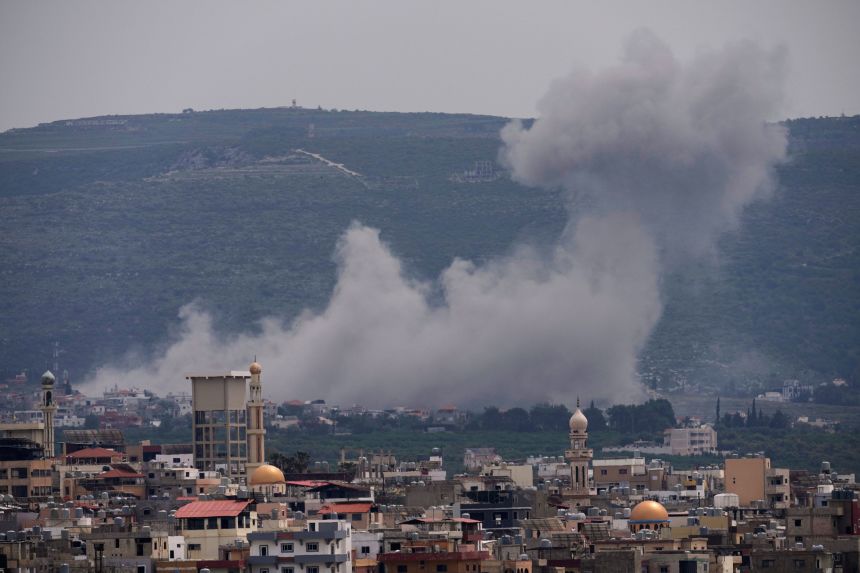
Lebanon’s government is in its first direct talks with Israel for years, but it has – again self-evidently – not made good on its pledge to disarm Hezbollah, and is unlikely to do so in the near future. The emerging talks will likely hive this issue off into a separate dossier, allowing Israel to strike when it sees fit, Lebanon to endure a lower tempo of bombing and thinner occupation, and the US to suggest progress towards a solution.
The sticking points ahead of a US-Iran deal less resemble insurmountable hurdles, and more smaller details of pride and positioning. Neither side can accept an agreement they can’t pretend is a victory. Iran must feel its military deterrent remains: that it has projected enough force and disruption to make another onslaught less, rather than more, likely.
Trump has upset almost everyone over the past two months – from Pope Leo, to even Israel. He needs to emerge from his first major war of choice with a deal his (erstwhile) supporters can sell as better than the world we lived in before February 28 – give or take a near-miss with a global recession, and shattered energy markets.
Two enduring questions will haunt Trump. Does any grand bargain with Iran look better than the deal President Barack Obama signed in 2015 and that Trump tore up in his first term? That will be hard to define: Iran’s nuclear infrastructure is massively damaged, and Trump is seeking to leave it without enriched material, or the means to enrich more, so that’s within reach.
The second is the kind of Iran that emerges from the dust: heavily diminished, battered, with infrastructure damage that may be felt for a generation. But its resilience is self-evident and the past year of on-off war will have conclusively silenced any moderate voices who suggest Iran does not need a robust means of defending itself.
Trump may get a deal that reduces Iran’s means of building a bomb. But the unintended consequences of his first war of choice are only beginning to spill out. And the first is that Iran’s hardliners undoubtedly feel they need a bomb now more than ever.