
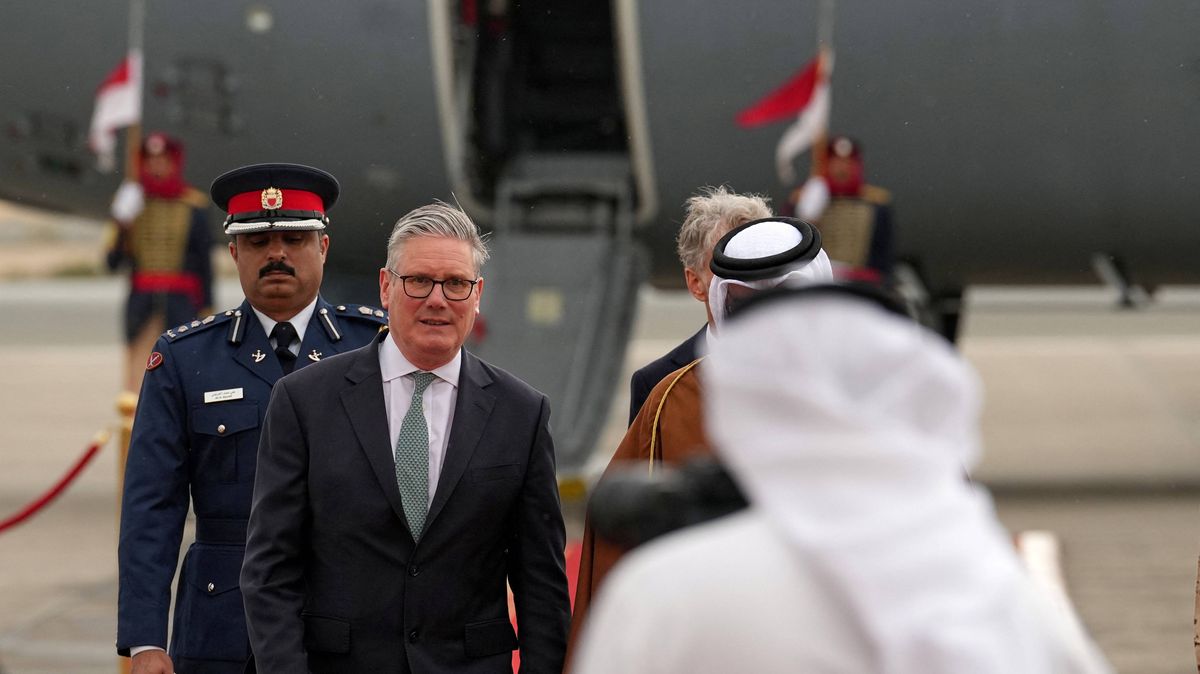
A former Government adviser said it would be ‘perfectly sensible’ for ministers to encourage workers to stay at home in April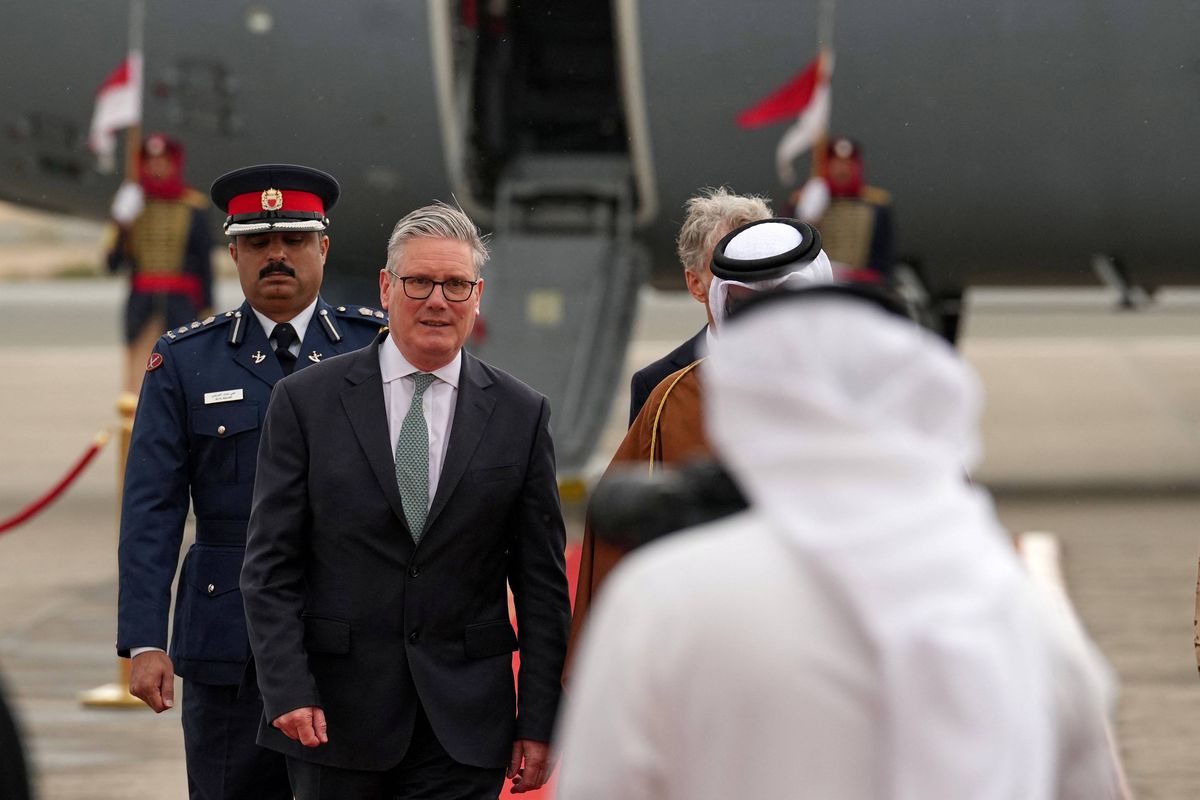
Prime Minister Keir Starmer visiting the Middle East(Image: ALASTAIR GRANT, POOL/AFP via Getty Images)
The Government should encourage people to work from home to address energy shortages in the aftermath of the war in Iran, a former Government adviser has said.
Professor Nick Butler, previously vice-president for strategy and policy at oil giant BP, said the ‘worst was yet to come’ with spiking fuel prices. He predicted that the price of diesel could still rise a “good deal” above £2 per litre by May when the ‘real crisis’ and shortage of fuel hits the UK and Europe.
He added that it would be “perfectly sensible” for ministers to instruct workers to remain at home to conserve fuel.
Prof Butler’s words come as US-Israeli military action in Iran since February has seen the price of oil soar to record levels, with prices up more than 60% so far this year as the blockade of the crucial shipping route Strait of Hormuz continues.
Click here for the latest on Greater Manchester’s politics in our newsletter
“Some countries, I think particularly in Asia where the crisis has hit earliest, they’re taking an extra day a week at home,” he told Times Radio.
“People are being encouraged to work at home. And I think you have to test now whether there’s a willingness.
“And as I read the behavioural science, people do respond. They don’t all do it perfectly, but they respond if other people are responding.”
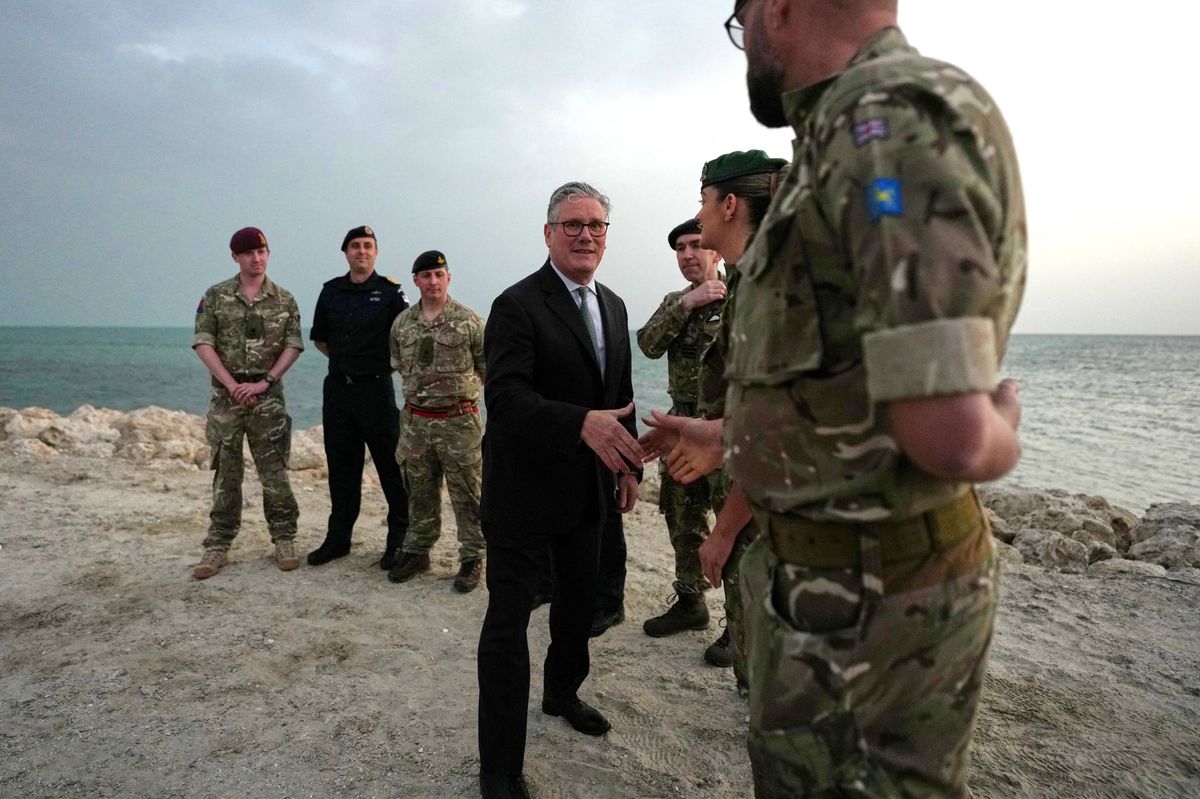
Keir Starmer meets military personnel on a beach in Bahrain on April 9, 2026 during his three day visit to the region(Image: ALASTAIR GRANT, POOL/AFP via Getty Images)
When asked whether the Government should issue recommendations to work from home, Prof Butler said: “Yes, I think that that would be a perfectly sensible measure.”
Prof Butler, who served as adviser to Gordon Brown during his tenure as prime minister, also warned that the price of diesel could climb even higher, cautioning that the worst is yet to come.
He said: “The real crisis for Britain and for Europe will come at the end of April and in early May, when the real shortage will translate into both a physical shortage and a sharp rise in prices. I don’t think we’ve yet seen the full impact on prices of this loss of supply.”
Asked if the price of diesel could climb higher than £2 per litre, he said: “It could go a good deal north of that. The jet fuel prices doubled, and I think that could go further north as well.
“I think there’s been a degree of complacency and a belief that Mr (Donald) Trump would always come back into line and there would be a deal, and then everything would be OK.”
Donald Trump again hit out at the UK Prime Minister’s ‘tragic mistakes’ today. Earlier the US President also claimed the war with Iran was ‘close to over’.
But today, Rachel Reeves slammed Mr Trump over the economic fallout of the Iran war – saying it was a “folly” to have no clear exit plan. Speaking to The Mirror, the Chancellor described herself as “very frustrated and angry” at America’s conduct as families throughout Britain bear the consequences.
Leading think-tank the Resolution Foundation has warned that the average UK household could be £480 worse off over the current financial year than had the conflict not happened. Ms Reeves said she did not recognise the figure – but insisted the government will keep a “close eye” on gas and electricity prices.
She said: “This is a war that we did not start. It was a war that we did not want. I feel very frustrated and angry that the US went into this war without a clear exit plan, without a clear idea of what they were trying to achieve.”
Pressed further on why she was frustrated at the US, she added: “Because of the impact it’s having on families and businesses in our country. When I presented the Spring Statement at the beginning of March, it showed that inflation was coming down, interest rates were projected to fall further after having been cut six times since I became Chancellor of the Exchequer, reports the Mirror.
“Borrowing and debt were falling and the economy was set to grow. It was already the fastest growing G7 economy in Europe last year, and that was projected to continue.”
Ms Reeves went on: “Obviously no sensible person is a supporter of the Iranian regime, but to start a conflict without being clear what the objectives are and not being clear about how you are going to get out of it, I do think that is a folly and it is one that is affecting families here in the UK but also families in the US and around the world.
“I don’t think it was the right decision. But it was absolutely the right decision for Keir Starmer – our Prime Minister – to keep us out of this conflict.”