
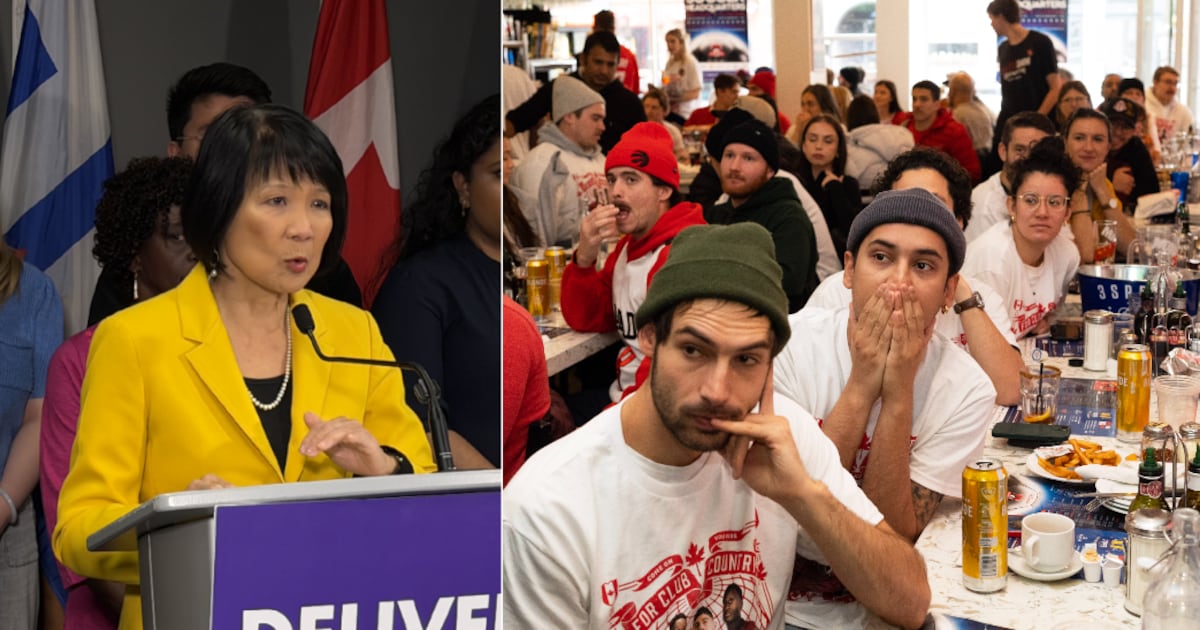
Mayor Chow is conisidering an admission fee for FIFA Fan Festival, which has been advertised as a free event. Janice Golding has the details.
What was once billed as a free World Cup celebration in Toronto could now cost fans anywhere from $10 to $300 to attend.
The FIFA Fan Festival, which will take place from June 11 to July 19, at Fort York and The Bentway, was initially promoted as a free event which would feature live match broadcasts, cultural performances and food vendors.
But city council is now set to consider a proposal that could make the festival a ticketed event.
City officials say the proposed fee is aimed at managing crowds and ensuring safety, not boosting revenue. The shift, however, marks a sharp turn from the city’s original promise of a “free and inclusive” fan experience.
Toronto’s executive committee adopted the plan to introduce ticketing for the FIFA Fan Festival this week, with a final council vote expected next week.
From ‘free’ to possible fee
Under the proposal, tickets for general admission would cost $10, while VIP tiers would range from $100 to $300.
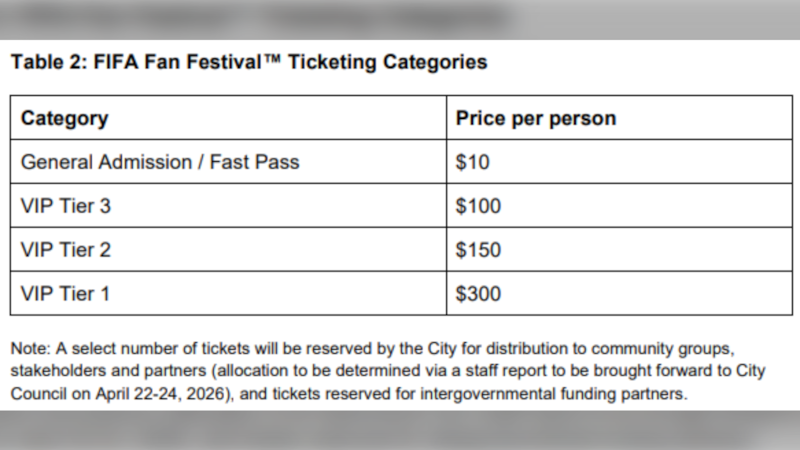 TABLE A table from Executive Director, FIFA World Cup 2026 Toronto Secretariat and Chief Procurement Officer to the Executive Committee (City of Toronto report).
The city expects ticketing to generate about $6.2 million, which would offset part of a newly proposed $9 million incremental increase linked to expanded programming, safety and operations.
That would bring the total cost of the fan festival to $25 million. In the report, city officials say the additional spending will be covered through ticket revenue and FIFA contributions ($900,000) with “no net financial impact” absorbed by the city.
The city’s overall $380 million budget for hosting six World Cup games will also remain unchanged.
Speaking to reporters ahead of Wednesday’s executive committee meeting, Mayor Olivia Chow explained the move is primarily about planning and safety.
“Actually (ticketing) gives organizers and emergency services better data to plan effectively, because then people can purchase ahead, and know how many we can expect,” she said.
“The worry is, if it’s free… how many people would show up.”
Meanwhile, Councillor Brad Bradford, who has previously announced his intention to run for mayor has labelled Chow’s move as “the wrong call.”
“Ten dollars might not sound like much at City Hall. But for a family of five, that is fifty dollars before anyone has bought a drink or a meal. For a lot of families in this city, that is the difference between going and staying home. And for a moment that was supposed to bring Toronto together, that is exactly the wrong call,” he said in a statement.
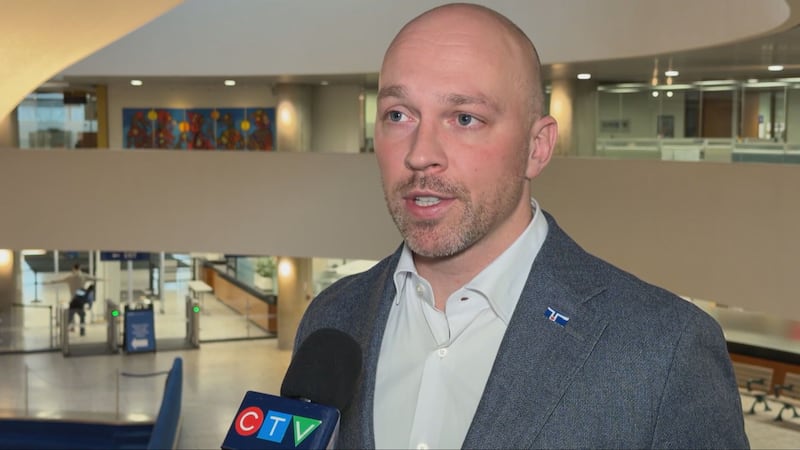 Brad Bradford Jan. 19 Beaches-East York Coun. Brad Bradford speaks with CTV News Toronto on Jan. 19. (CTV news photo). Crowd control concerns
The festival site is expected to accommodate roughly 20,000 people, with officials expressing some concern about overcrowding if access remains unrestricted.
“If it’s ticketed, there is a better way to plan (ahead),” Chow said.
City officials say more than 80 per cent of tickets would be general admission, describing the fee as a way to cap attendance, reduce wait times and improve safety.
The remaining tickets will be saved for stakeholders, community groups and partners, the report noted.
Chow also says that other North America host cities have adopted similar ticketing approaches.
Despite the added costs, Chow emphasized that the broader World Cup budget remains unchanged.
“The city’s budget is exactly the same,” she said. “The fan fest is now a bit more because when the fan fest team showed with what they’re doing, other levels of government got quite excited,” she said.
FIFA has estimated the tournament could generate up to $940 million in economic spinoff for the Greater Toronto Area.
Free options still promised
Chow said residents will still have access to free viewing options across the city.
“You’re going to be able to watch the game all over the city,” she said. “There will be a lot of free activities all over the city.”
The city plans to host viewing events in multiple neighbourhoods, aiming to ease pressure on the downtown festival site.