
Dan McTeague, president of Canadians for Affordable Energy, explains why summer blend gas prices will cause prices to rise.
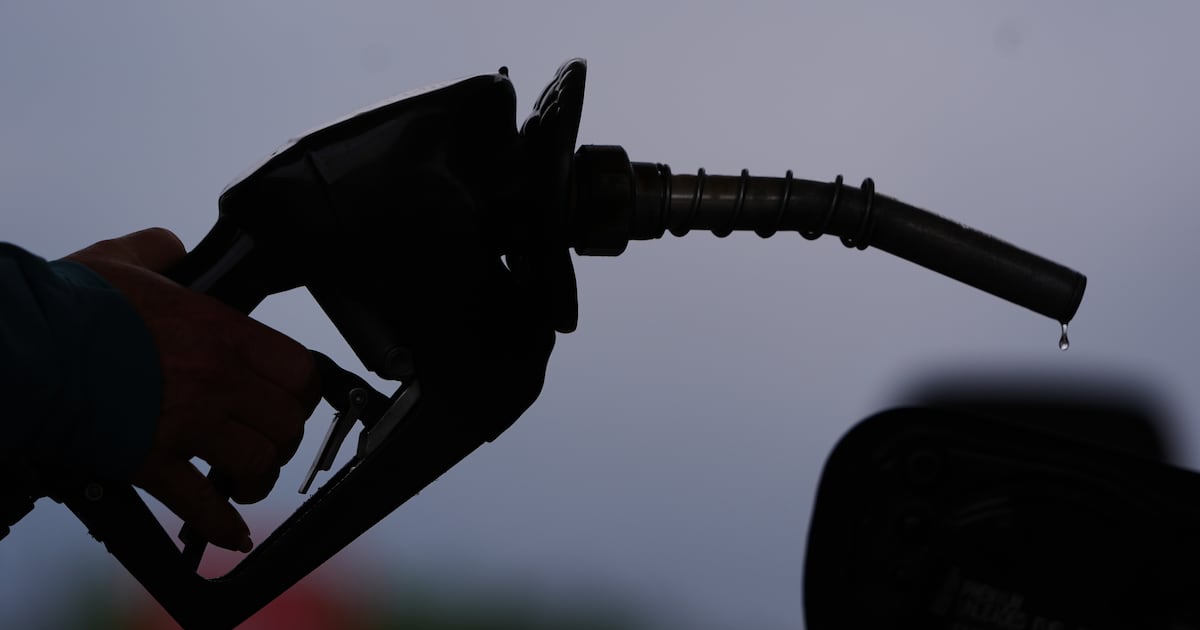
The more expensive summer fuel blend has arrived at gas stations across Canada. Pushing the price of regular gasoline up by approximately 10 cents per litre, the switch could largely erase any savings that will come from the recently announced suspension of the federal fuel excise tax.
“At this stage, it looks like we’re in for a very, very expensive summer,” Canadians for Affordable Energy president Dan McTeague told CTV’s Your Morning on Wednesday.
McTeague is a former Liberal MP who now advocates for lower energy costs. As summer gas blends arrive at pumps across Canada this week, McTeague says the federal government should be taking additional affordability measures, including dropping the GST on gas and diesel purchases, which is separate from the temporarily suspended federal fuel excise tax.
“Canadians are in desperate need of relief at the moment,” McTeague said in a recent news release. “But this is a drop in the bucket.”
As energy prices increase because of the Iran war and shipping issues in the Strait of Hormuz, this week the Canadian government has announced that it will temporarily suspend the federal fuel excise tax on gas and diesel. Lasting from April 20 to Sept. 7, the temporary tax suspension is expected to save Canadians 10 cents per litre on regular gas and four cents per litre on diesel.
Government regulations meanwhile require gas stations to switch to more expensive summer fuel blends by April 15.
Winter blends, which arrive at the pumps by Sept. 15, contain butane to help cars start in colder temperatures. While butane is cheaper than gasoline, it also evaporates more quickly, which can contribute to pollution and smog. Removing butane makes summer gas blends more expensive by about 10 cent per litre, but summer gas also provides better fuel performance.
McTeague says gas prices have already been trickling upwards to reflect that seasonal switch and will likely jump by another five cents per litre by the end of this week.
“We’re still waiting for the other shoe to drop,” McTeague said. “Refineries know that this is a price that they have to pass on, and that’s imminent, but it won’t happen at least until Friday.”
Even if the conflict in Iran is resolved quickly, McTeague says it will take months before fuel prices stabilize.
“These are prices that will remain elevated throughout much of the summer, until many parts of that critical region for oil and gas production get back on their feet,” McTeague said. “It may be months, I suspect July or August, before we see prices getting back to normal, what should be normal. In the meantime we’re going to expect that prices across Canada remain above $1.75 a litre.”