
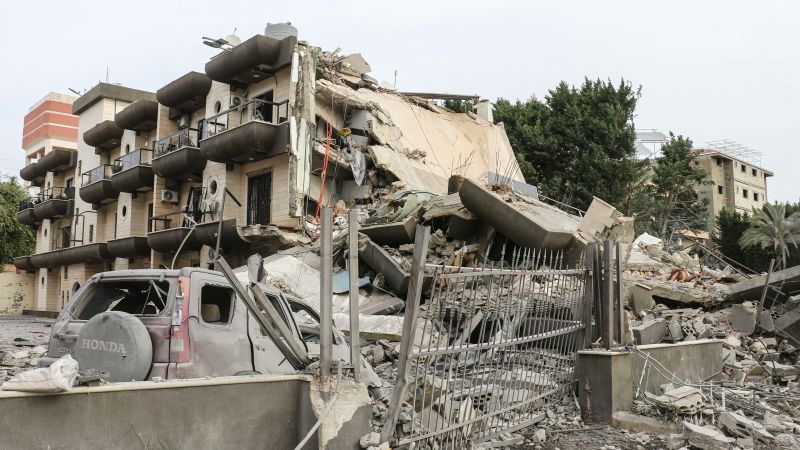
The United States and Iran are edging towards an agreement to end the war after marathon talks between the two parties in Islamabad over the weekend ended with no resolution.
Signs of willingness have surfaced in the past 12 hours, with the Trump administration expressing optimism in the prospect of a deal with Iran, and the Iranian foreign minister reaffirming Tehran’s commitment to promoting peace.
If you’re just joining us, catch up on the latest developments below:
Thursday talks: Iranian officials and Pakistan’s military chief Asim Munir will meet in Tehran today to discuss recent communications between Iran and the US, according to Iran state media.
Message from Washington: Munir, a key intermediary between the US and Iran, arrived in Tehran on Wednesday and met with Iranian Foreign Minister Abbas Araghchi. The Pakistani delegation, led by Munir, was carrying a message from the US, Pakistan’s military said.
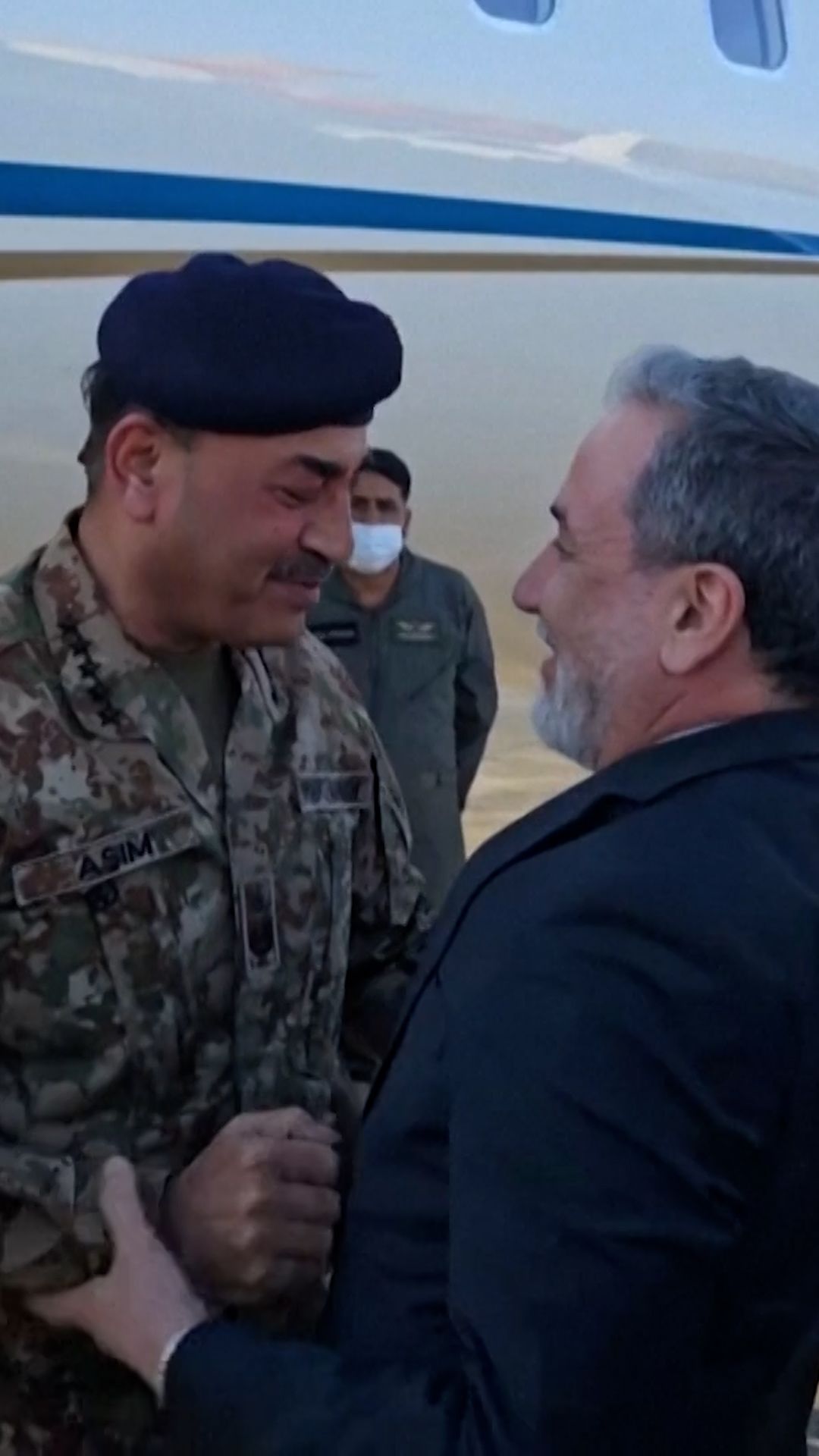
Pakistan leads diplomatic efforts to restart US-Iran negotiations
CNN’s Nic Robertson in Islamabad reports on the diplomatic efforts of Pakistani officials to bring about another round of U.S.-Iran peace talks.
Pakistan leads diplomatic efforts to restart US-Iran negotiations
01:50
White House optimism: The Trump administration has expressed confidence about striking a deal with Iran, with a potential second round of in-person talks likely to take place in Pakistan. White House press secretary Karoline Leavitt said nothing is official yet, “but we feel good about the prospects of a deal.”
Sanctions: Treasury Secretary Scott Bessent said the US is “now willing to apply secondary sanctions” on countries that buy Iranian oil or take Tehran’s money. The department also announced sanctions on more than two dozen individuals, companies and vessels it says are involved in exporting Iranian oil and natural gas.
Naval blockade: The diplomacy came as Iran threatened to shut down shipping in the Red Sea, as well as in the Persian Gulf and Sea of Oman, if the US continues its blockade of the country’s ports.
Stocks rise: Asian stocks climbed on Thursday, tracking record highs in the S&P 500 and the Nasdaq Composite. Investor sentiment improved with hopes for an extended ceasefire and a conclusive agreement with Iran. A pullback in oil prices – though still elevated compared to pre-war levels – helped fuel the stock market rally.
Espionage report: Iran is using a Chinese spy satellite to target US bases, according to a report by the Financial Times. FT reporter Demetri Sevastopulo told CNN’s Newsroom that the Iranians have signed a contract with a Chinese company, granting the Iranian military control over the satellite.
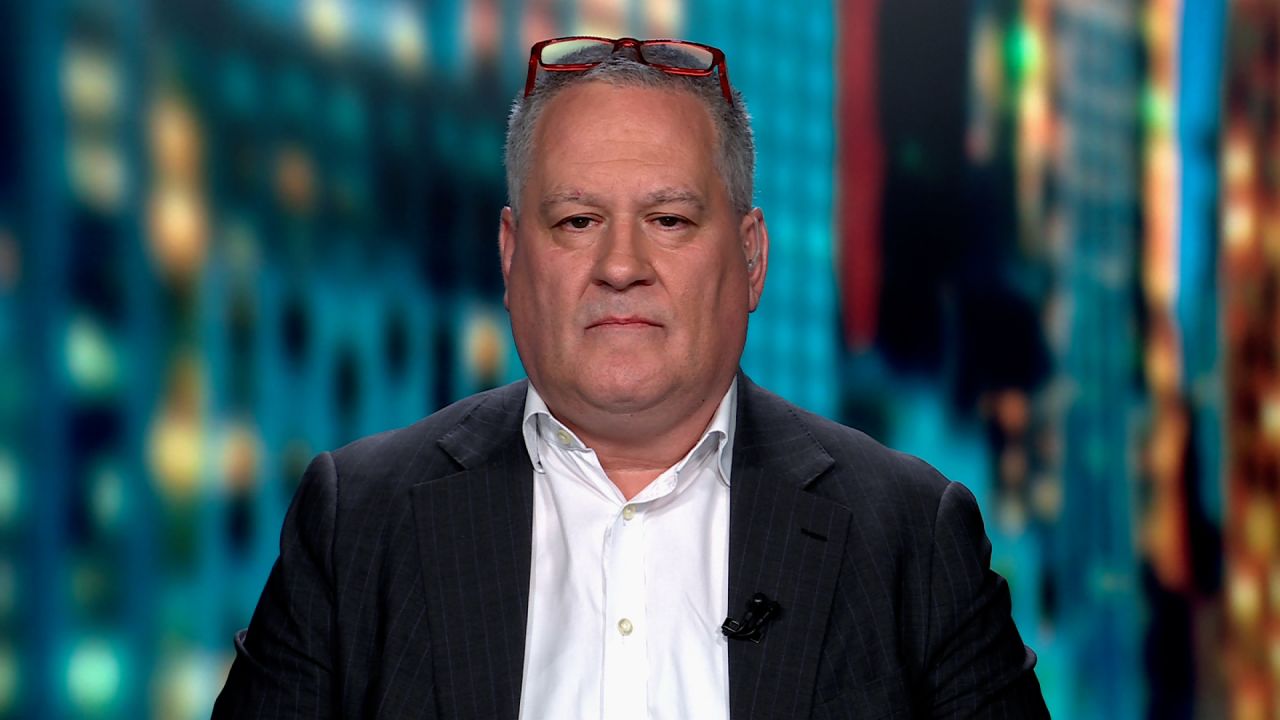
Report: Iran used Chinese spy satellite to target US bases
Report: Iran used Chinese spy satellite to target US bases
03:09
“Famine timebomb”: UK Foreign Secretary David Miliband warned of a humanitarian crisis if the Strait of Hormuz is not reopened. Miliband called for a humanitarian corridor to allow essential supplies through, like food and medical aid, and warned of a “famine time bomb” that could otherwise arise in June.
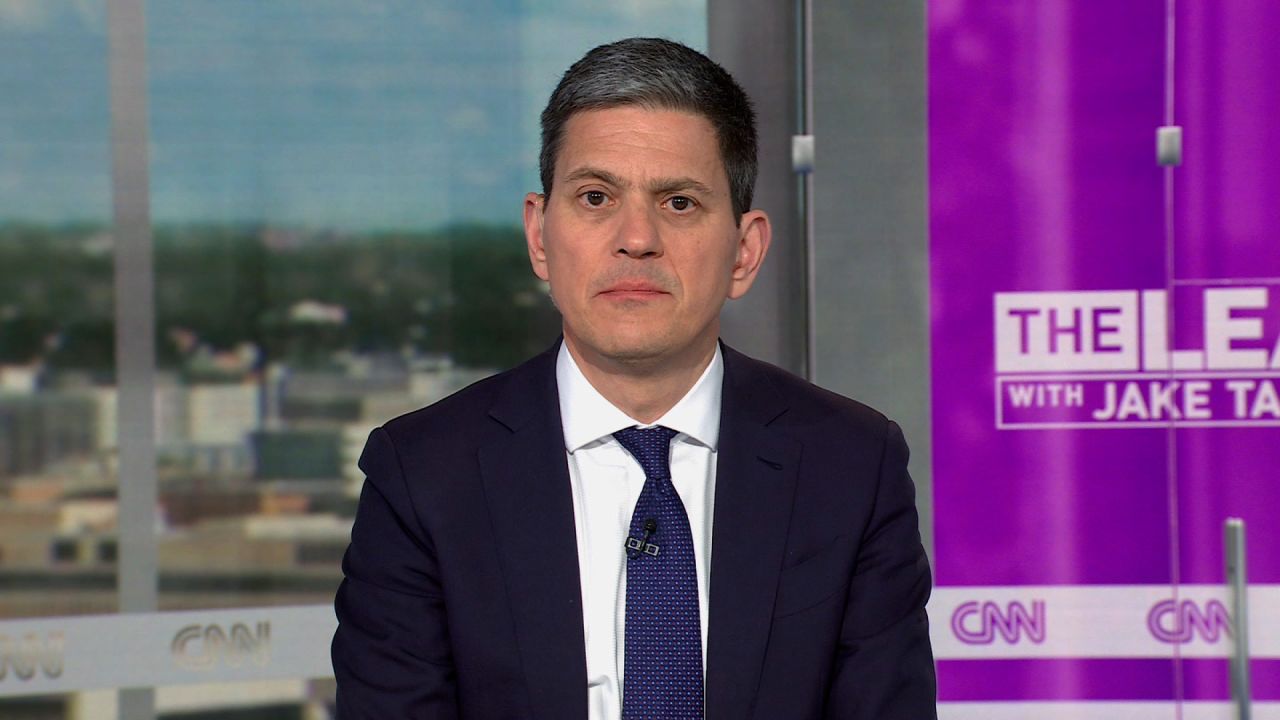
Former UK official warns of humanitarian crisis if Strait of Hormuz is not reopened
Former UK official warns of humanitarian crisis if Strait of Hormuz is not reopened
01:09