
Rev Melanie Prince, from the diocese of St Davids, said she had been speaking recently to members of the Anglican Church in Nigeria, about how they could help Christians in that part of the world.
“Do not water down the gospel we are dying for,” was the response she received.
Julia Schulz, a lay member from Bangor diocese, added that the blessing “looks like a marriage service in all but name”, and that they should remember Bible teachings about the “blueprint for what a Christian marriage is”.
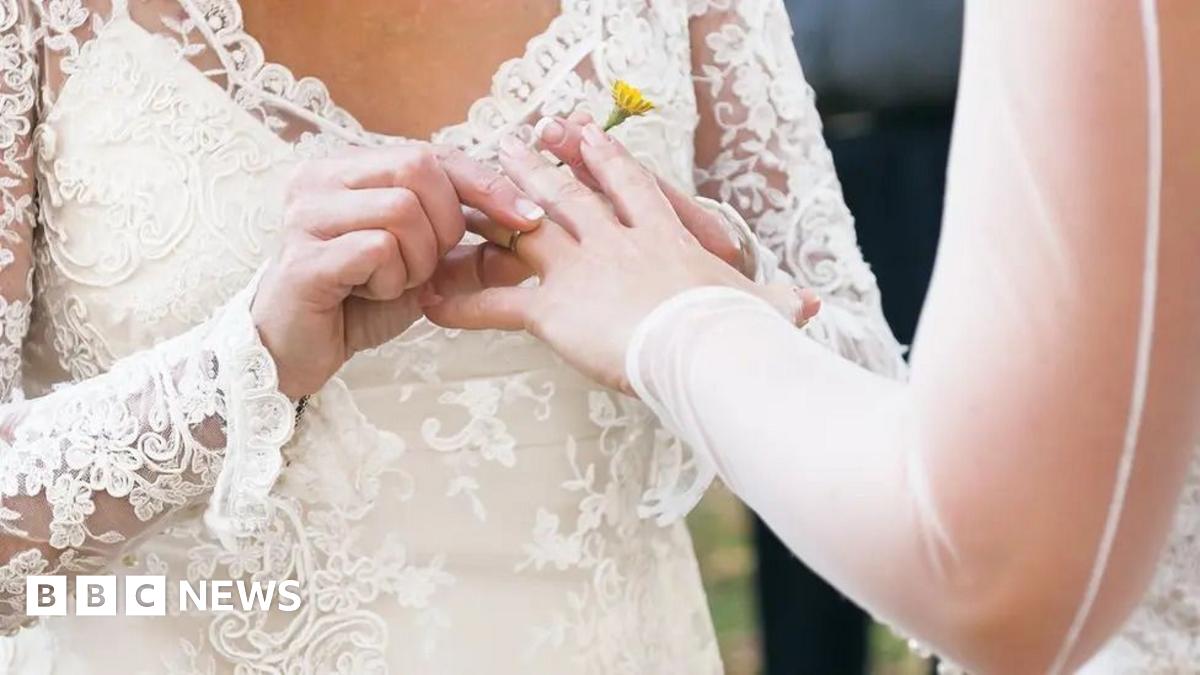
The move to permanently incorporate a blessing for same-sex marriages underlines a divergence between the Church in Wales and the Church of England, which does not have an equivalent blessing.
It has been seen by some as a potential indicator for whether the Church in Wales could permit same-sex marriages in the future.
In July 2025, Cherry Vann became the first female and first LGBT+ Archbishop of Wales, and said the wanted the Church in Wales to represent the “diversity around the world and in our communities”.
But her election was criticised by a group of conservative Anglicans, who described her appointment as “another painful nail in the coffin of Anglican orthodoxy”.
Archbishop Vann was elected by her fellow bishops with a two-thirds majority, following the retirement of her predecessor, Andrew John, in the summer.
He retired after issues with safeguarding, excessive drinking and church members overstepping sexual boundaries came to light at Bangor Cathedral.
A report in February also revealed that a priest sexually who assaulted a 15-year-old boy over three decades was allowed to rise through the ranks to become a bishop, with the allegations covered up by the Church in Wales.