
We live in hugely volatile times. In Ukraine, Europe is entering the fifth year of the worst conflict this continent has seen since World War Two, petrol prices are rising, and the global economy is under strain because of knock-on effects of the Iran war. Relations with the UK’s former best friend, the United States are worsening.
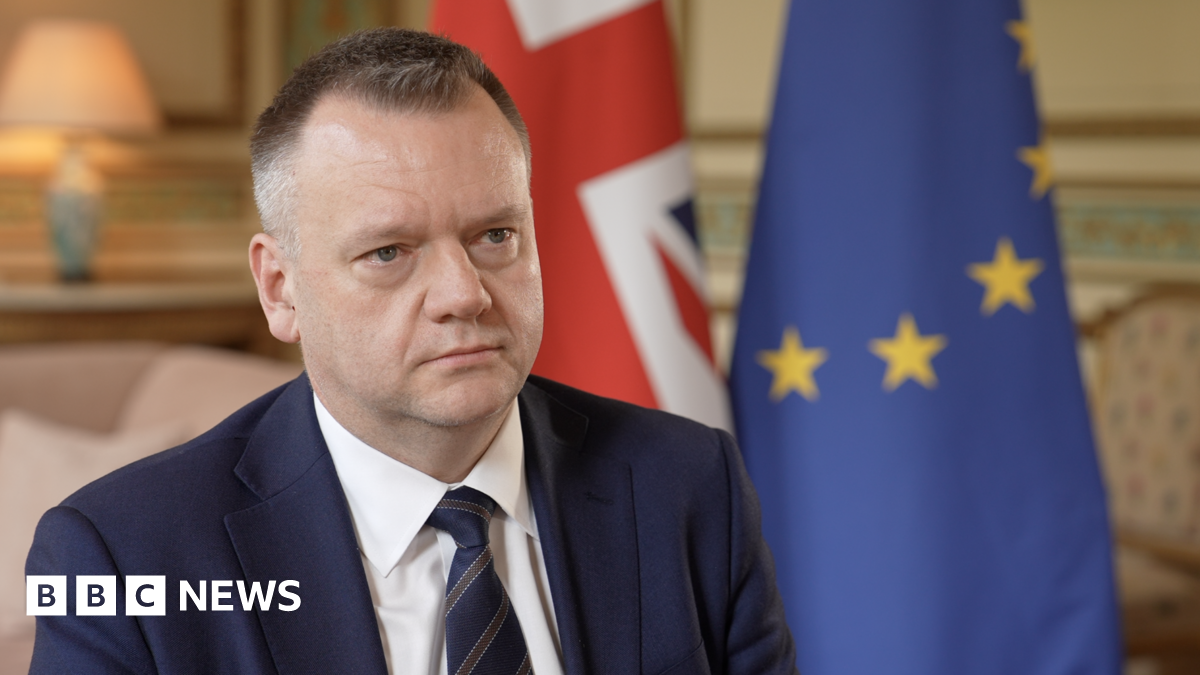
It’s against this backdrop that the UK’s minister for EU relations, Nick Thomas-Symonds, told the BBC that the UK is adopting an “ambitious” and “ruthlessly pragmatic” approach to becoming closer to its European neighbours – in sectors of UK national interest.
Speaking to me at the residence of the UK ambassador to the EU in Brussels, he told me he believes the UK public is more open to closer EU ties nowadays because of huge geopolitical instability: “I do find a support for closer UK–EU relations… I think there is a particular imperative at the moment… we find ourselves in a dangerous situation in the world.”
The UK’s increased cooperation with other European powers is already particularly evident when it comes to security and defence – take the common approach on Ukraine, for example, with the UK in a leadership role. Or the intention to work together on the joint procurement of armaments now European leaders have promised the US they’ll do more for their own continental defence.
But Thomas-Symonds has his eye on economic ties.
Nearly ten years after the Brexit vote, Prime Minister Sir Keir Starmer has promised to reduce post-Brexit red tape and costs for UK companies doing business with the UK’s biggest export market, the EU.
By this summer, and the second post-Brexit EU-UK summit (an exact date for that summit has yet to be announced), the UK says it will have concluded a food and agricultural safety agreement with Brussels to reduce the burden on businesses exporting sausages, for example, to Northern Ireland and the EU, as well as a deal on carbon emissions trading, and a deal on a youth “experience” programme, allowing youngsters from the EU and the UK to work or study in each others’ countries for a limited time period.
On Wednesday this week, the two sides announced the UK was rejoining the EU’s Erasmus+ scheme too, helping more young people from the UK to study across the bloc.
The government insists all this respects the Brexit-vote and the red lines in its manifesto: not to take the UK back into the EU or even into its single market or customs union.
But the leaders of Reform UK and the Conservative Party disagree. “Aligning” with the EU involves the UK following EU rules. It makes the UK a rule taker, not a rule maker. The main Leave campaign ahead of the Brexit vote, a decade ago now, promised the UK would “take back control” from Brussels.
The government insists that its decision to make deals with the EU only in sectors that benefit the UK, is in fact using post-Brexit national sovereignty in the UK’s interest.
Starmer is planning new legislation, expected later this year, to give ministers a fast-track route for introducing draft laws to align with future European standards. It’s designed to ensure a single market in the trade of certain goods and services.
Nigel Farage called the proposed bill “a backdoor attempt to drag Britain back under EU control”. While Kemi Badenoch accused ministers of lacking bravery: “If you want to be in the EU, come out and say we want to go back into the EU,” she said.
The government categorically denies that re-entry into the EU is its goal. And the Liberal Democrats and the UK’s Green Party accuse the government of not going far enough in its attempts to get closer to the EU to help the UK economy.
Critics say Labour seems stuck between economic necessity and political constraints.