
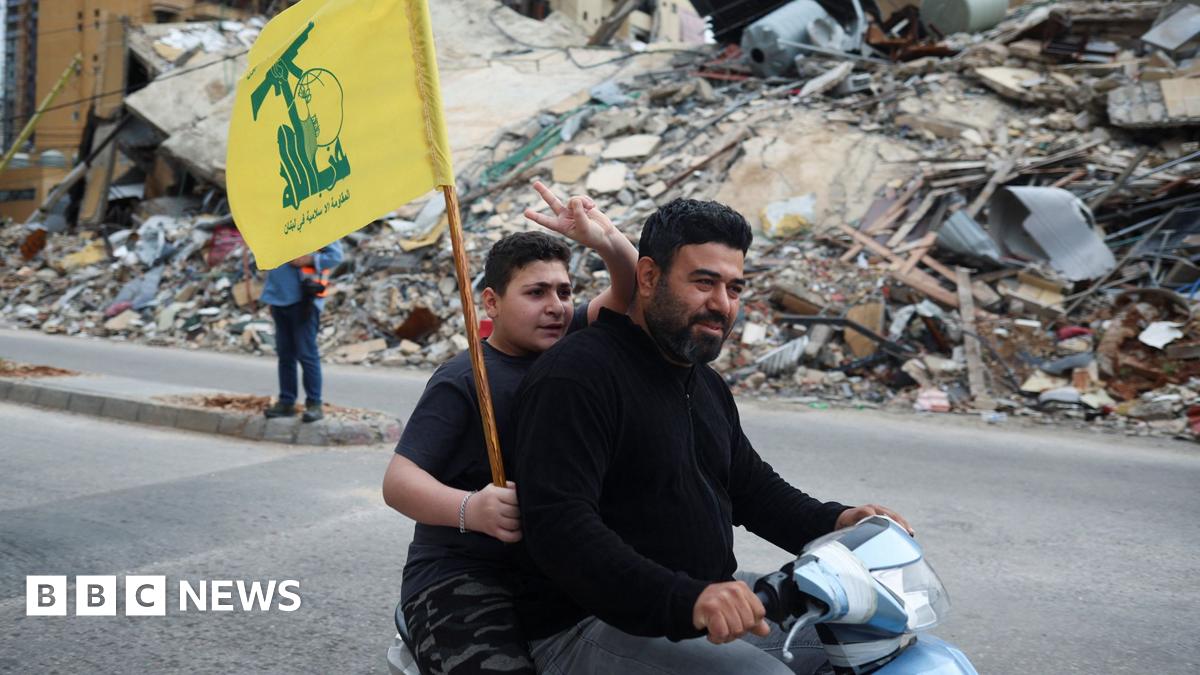
When the ceasefire with Iran was announced, there were mixed messages on whether Lebanon was involved. Pakistani officials, who helped negotiate the deal, and Iranian officials, said it was, but Israel said it was not. US President Donald Trump’s press secretary Karoline Leavitt also later said Lebanon was not part of the deal.
Israel launched strikes on Lebanon on 2 March in response to strikes launched by Hezbollah. This was after the US and Israel launched strikes on Iran – prompting retaliation from Tehran against US allies in the Gulf, and from Iran’s proxies, which includes the Lebanese militant group.
Israel and Hezbollah have continued to exchange fire since then, despite pleas from Lebanon’s Prime Minister for both sides to stop doing so.
More than 2,100 people have been killed and 7,000 others wounded in Israel’s attacks on Lebanon since 2 March, according to the country’s health ministry, which does not distinguish between combatants and civilians. The number includes at least 260 women and 172 children. The ministry says 91 health professionals have been killed and 208 other wounded in the war, with more than 120 Israeli attacks recorded on ambulances and medical facilities. BBC Verify analysis found more than 1,400 buildings in Lebanon had also been destroyed.
Hezbollah attacks have killed two civilians in Israel over the same period, while 13 Israeli soldiers have been killed in combat in Lebanon, Israeli authorities say.
On Thursday, the Israeli military destroyed the last bridge linking the south to the rest of the country, further isolating the region and renewing fears among many Lebanese that this could lead to a long-term occupation of some areas.